

On This Day in Pop: March 7, 1987
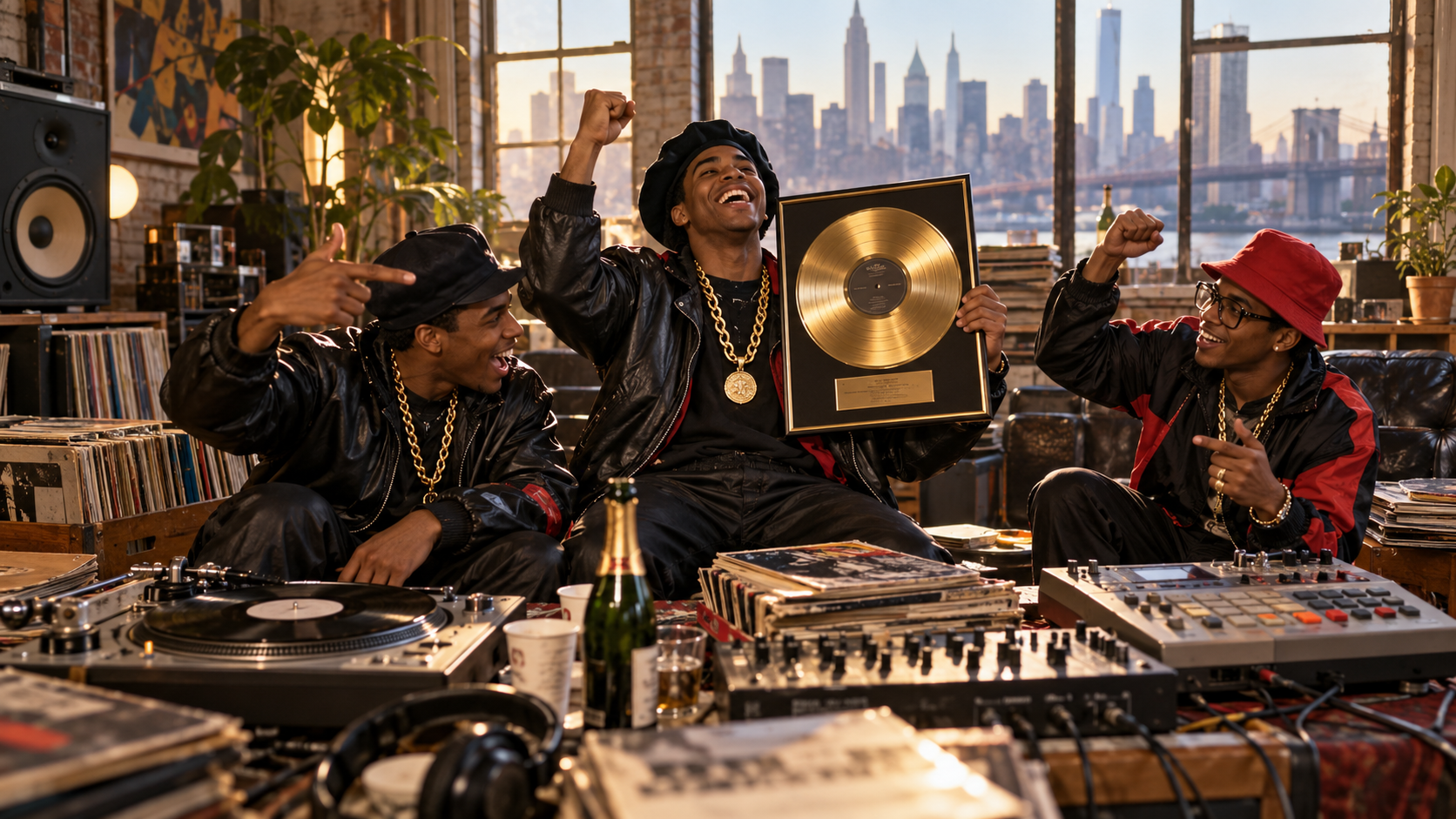
On March 7, 1987, Licensed to Ill by the Beastie Boys reached No. 1 on the Billboard 200, becoming the first rap album to lead the chart. Released by Def Jam and produced largely by Rick Rubin, the record fused hard-rock guitar riffs, booming drum machines and irreverent rhymes. Mike D, MCA and Ad-Rock presented rap with the velocity of a teenage house party, reaching listeners who had not yet treated hip-hop albums as mainstream purchases. Seen in its own time, the occasion was more than a tidy calendar entry. It emerged from choices by performers, writers, technicians, executives and audiences, each working within the opportunities and constraints of the period. Restoring that setting keeps the story human and specific instead of treating a complicated cultural shift as inevitable.
The milestone arrived amid hip-hop’s rapid expansion from local scenes and singles into a national album market. Run-D.M.C. had already broken commercial barriers, and Def Jam was building an infrastructure able to market rap alongside rock. Licensed to Ill benefited from MTV exposure and controversy, while its performers’ whiteness gave them access within a racially unequal industry. The achievement therefore belongs within a wider story led by Black artists, DJs, producers and audiences. The reaction also shows how popular culture gathers momentum. A premiere, broadcast, release or public appearance can feel self-contained on the day, yet its meaning expands through reviews, radio, television, sales, conversation and imitation. Those channels reach people unevenly, but together they can turn one event into a reference point that later work follows, revises or rejects.
The Beastie Boys later rejected parts of the album’s frat-boy posture and developed into adventurous musicians and samplers, but the chart result could not be undone. It demonstrated that a rap LP could command the most visible position in American sales. The moment helped widen corporate interest in hip-hop, bringing opportunities and exploitation together, and it remains a marker of the genre’s irreversible move into the center of popular business. That longer view is why the date still matters. It opens a door onto changes involving many contributors, including people whose labor was less visible than the headline names. Recordings, films, photographs and documents allow later audiences to reconsider both the achievement and its limits. Pop history is strongest when celebration is paired with context, and this anniversary leaves room for both. Its afterlife also shows that cultural memory is active: anniversaries, restorations, reissues and fresh criticism keep changing which details receive attention and which assumptions are questioned. Looking back does not mean pretending everyone experienced the moment alike; it means noticing the distance between a public milestone, the industry around it and the private reactions beyond the spotlight.
Licensed to Ill combined rap, rock and comic provocation at a moment when hip-hop albums were reaching a much wider market.
The setting and sequence matter because they show how rap’s first Billboard 200 number-one album reached the public on this particular date.
Its chart victory proved a rap LP could outsell every competing format, though racial privilege shaped how the crossover was received.
The immediate response traveled through the era’s available channels, from press and broadcast coverage to ticket buyers, listeners and viewers.
The No. 1 opened another commercial door for hip-hop and became part of a larger transition from regional culture to global industry.
Its reputation has kept developing through preservation, scholarship, revival and the interpretations of later audiences.
Explore more of "On This Day ..."
Discover more events from the same date across news, politics, technology, sports, and other fields. Each link highlights significant moments that shaped history on different fronts.