

On This Day in Pop: March 19, 1953
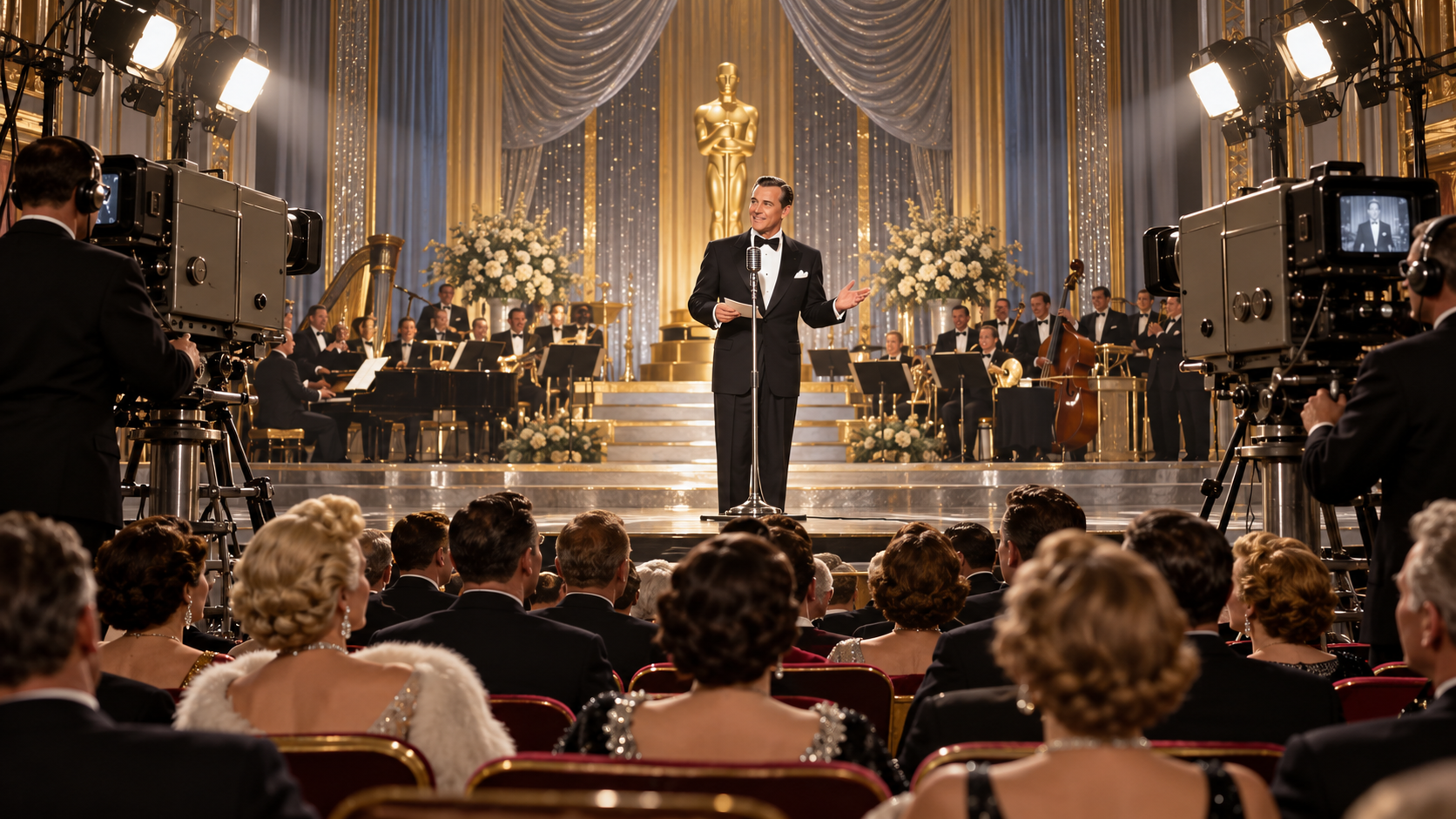
On March 19, 1953, the Academy Awards were televised for the first time. NBC carried the 25th ceremony from Hollywood’s Pantages Theatre and New York’s NBC International Theatre, with Bob Hope hosting the West Coast proceedings and Conrad Nagel in New York. The bi-coastal production used live television to turn an industry dinner and stage presentation into an event millions could experience at home. Seen in its own time, the occasion was more than a tidy calendar entry. It emerged from choices by performers, writers, technicians, executives and audiences, each working within the opportunities and constraints of the period. Restoring that setting keeps the story human and specific instead of treating a complicated cultural shift as inevitable.
Television changed the ceremony’s scale and behavior. Film stars who had once addressed a room were now performing for cameras, and viewers could inspect fashion, emotion and surprise without waiting for newsreels. The broadcast also served Hollywood’s complicated relationship with a medium it had treated as competition. Bringing movie glamour to the small screen promoted theaters while proving that live television could create a national cultural occasion. The reaction also shows how popular culture gathers momentum. A premiere, broadcast, release or public appearance can feel self-contained on the day, yet its meaning expands through reviews, radio, television, sales, conversation and imitation. Those channels reach people unevenly, but together they can turn one event into a reference point that later work follows, revises or rejects.
The Oscars became one of the world’s most durable televised rituals, evolving through color, satellite transmission, elaborate production numbers and instant online reaction. Ratings rise and fall, and debates over inclusion, campaigning and relevance return every year, but the ceremony’s identity remains inseparable from broadcast. The first telecast marks the moment the audience expanded from invited industry guests to the public whose attention sustains the spectacle. That longer view is why the date still matters. It opens a door onto changes involving many contributors, including people whose labor was less visible than the headline names. Recordings, films, photographs and documents allow later audiences to reconsider both the achievement and its limits. Pop history is strongest when celebration is paired with context, and this anniversary leaves room for both. Its afterlife also shows that cultural memory is active: anniversaries, restorations, reissues and fresh criticism keep changing which details receive attention and which assumptions are questioned. Looking back does not mean pretending everyone experienced the moment alike; it means noticing the distance between a public milestone, the industry around it and the private reactions beyond the spotlight. The tension between the immediate event and the story later told about it is part of what makes this episode worth revisiting instead of merely listing.
NBC linked ceremonies in Hollywood and New York for a live broadcast hosted on the West Coast by Bob Hope.
The setting and sequence matter because they show how the first televised Academy Awards reached the public on this particular date.
Home viewers could watch stars, speeches and surprises directly, reshaping both the ceremony and Hollywood’s relationship with television.
The immediate response traveled through the era’s available channels, from press and broadcast coverage to ticket buyers, listeners and viewers.
The Oscars became a global broadcast ritual whose fashion, performances, controversies and awards are experienced in real time.
Its reputation has kept developing through preservation, scholarship, revival and the interpretations of later audiences.
Explore more of "On This Day ..."
Discover more events from the same date across news, politics, technology, sports, and other fields. Each link highlights significant moments that shaped history on different fronts.