

On This Day in AI: April 10, 2024
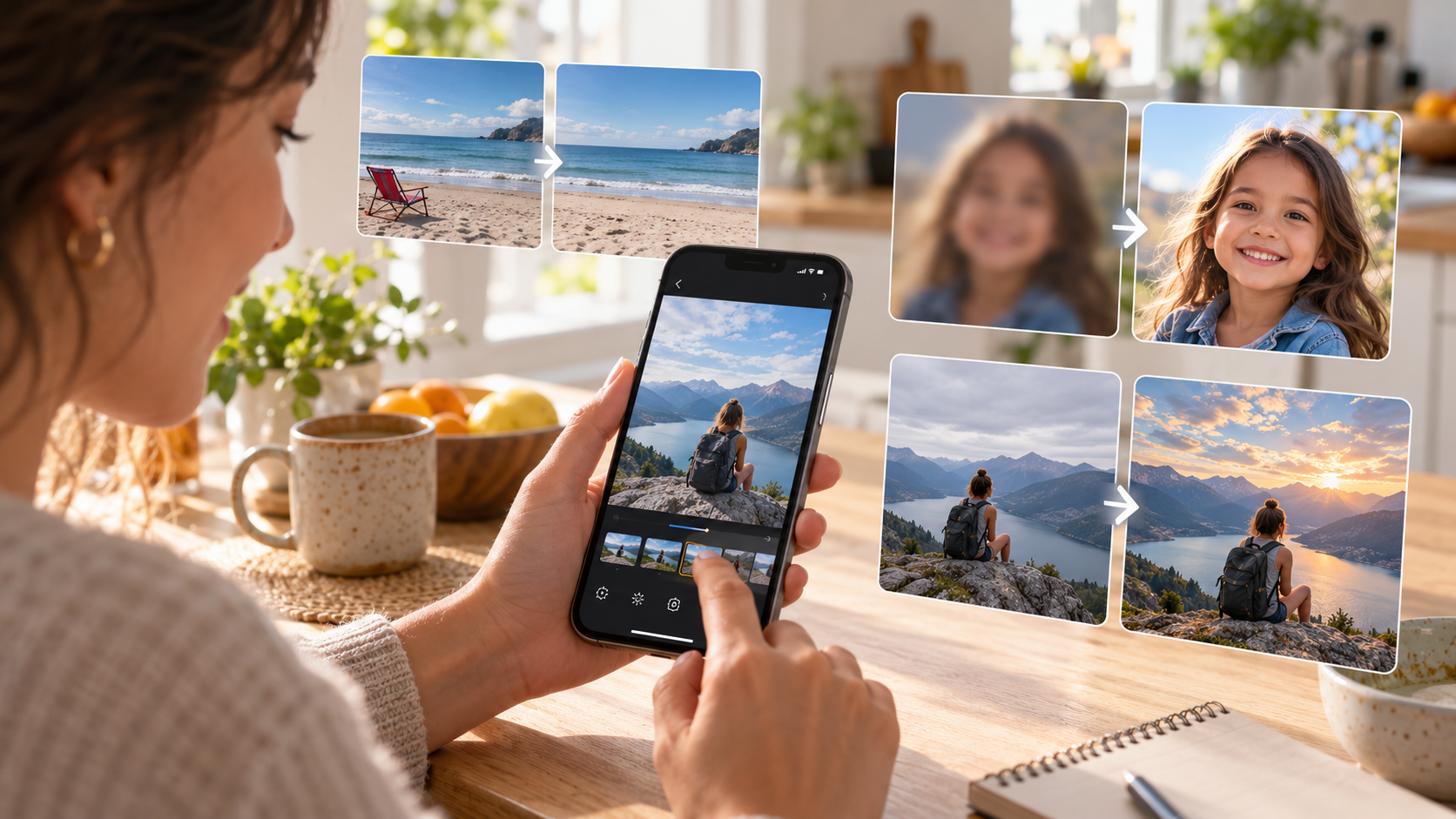
On April 10, 2024, Google announced that AI-powered editing features including Magic Eraser, Photo Unblur, Portrait Light, and limited Magic Editor saves would become available to many more Google Photos users without a subscription. The change moved generative and computational photography tools from premium devices into everyday consumer software. Smartphone cameras had long used machine learning behind the scenes, but newer editing systems let users describe or select visible changes after a photograph was taken. Access was initially restricted by hardware or paid plans, limiting how quickly these workflows could become ordinary expectations. The date matters because it turned a fast-moving technical or policy development into a visible milestone that people, institutions, and researchers could evaluate.
The substance of Google’s expansion of AI-powered editing in Google Photos was as important as the headline. Beginning in May, eligible Android and iOS devices would receive the tools, subject to hardware requirements. Magic Editor combined generative AI with familiar edits so users could reposition subjects, alter backgrounds, and rebalance a composition through simpler selections rather than specialist desktop software. Those choices reveal what the people behind the milestone believed was necessary at the time. AI history rarely advances through one breakthrough alone; research, product design, infrastructure, governance, and access all shape what a system can become.
The immediate consequences reached beyond the organization at the center of the event. The rollout placed advanced image manipulation in the hands of a much larger audience and intensified competition across mobile photography. It also made provenance and disclosure more important because polished alterations were no longer limited to professional editors or visibly synthetic images. The moment also invited scrutiny, because new capabilities create new dependencies. Reliability, safety, cost, privacy, and human control determine whether an impressive demonstration becomes a trustworthy part of everyday life. Those practical limits are essential to understanding both the achievement and the response it received.
In retrospect, AI editing became a standard part of consumer photo libraries and cameras. The announcement marked a broader transition in which generated content and captured content could be blended inside the same familiar interface, changing public assumptions about what a photograph represents. Looking back from today’s rapidly changing AI landscape, this event belongs to a larger transition from specialized machine-learning experiments to systems embedded in ordinary products, workplaces, institutions, and public decisions. Its enduring lesson is that technical progress becomes historically significant when it changes what people can do and what society expects next. That connection between capability and consequence gives the milestone its lasting relevance. The anniversary therefore records a turning point, not simply an announcement.
Google announced that AI-powered editing features including Magic Eraser, Photo Unblur, Portrait Light, and limited Magic Editor saves would become available to many more Google Photos users without a subscription. The change moved generative and computational photography tools from premium devices into everyday consumer software.
Beginning in May, eligible Android and iOS devices would receive the tools, subject to hardware requirements. Magic Editor combined generative AI with familiar edits so users could reposition subjects, alter backgrounds, and rebalance a composition through simpler selections rather than specialist desktop software.
The rollout placed advanced image manipulation in the hands of a much larger audience and intensified competition across mobile photography. It also made provenance and disclosure more important because polished alterations were no longer limited to professional editors or visibly synthetic images.
The event connected a concrete technical, commercial, or policy decision with the wider development of artificial intelligence.
AI editing became a standard part of consumer photo libraries and cameras. The announcement marked a broader transition in which generated content and captured content could be blended inside the same familiar interface, changing public assumptions about what a photograph represents.
Its influence can be traced through later products, research, governance, or industry practice.
Explore more of "On This Day ..."
Discover more events from the same date across news, politics, technology, sports, and other fields. Each link highlights significant moments that shaped history on different fronts.