

How NFL Safety Scoring Works Explainer
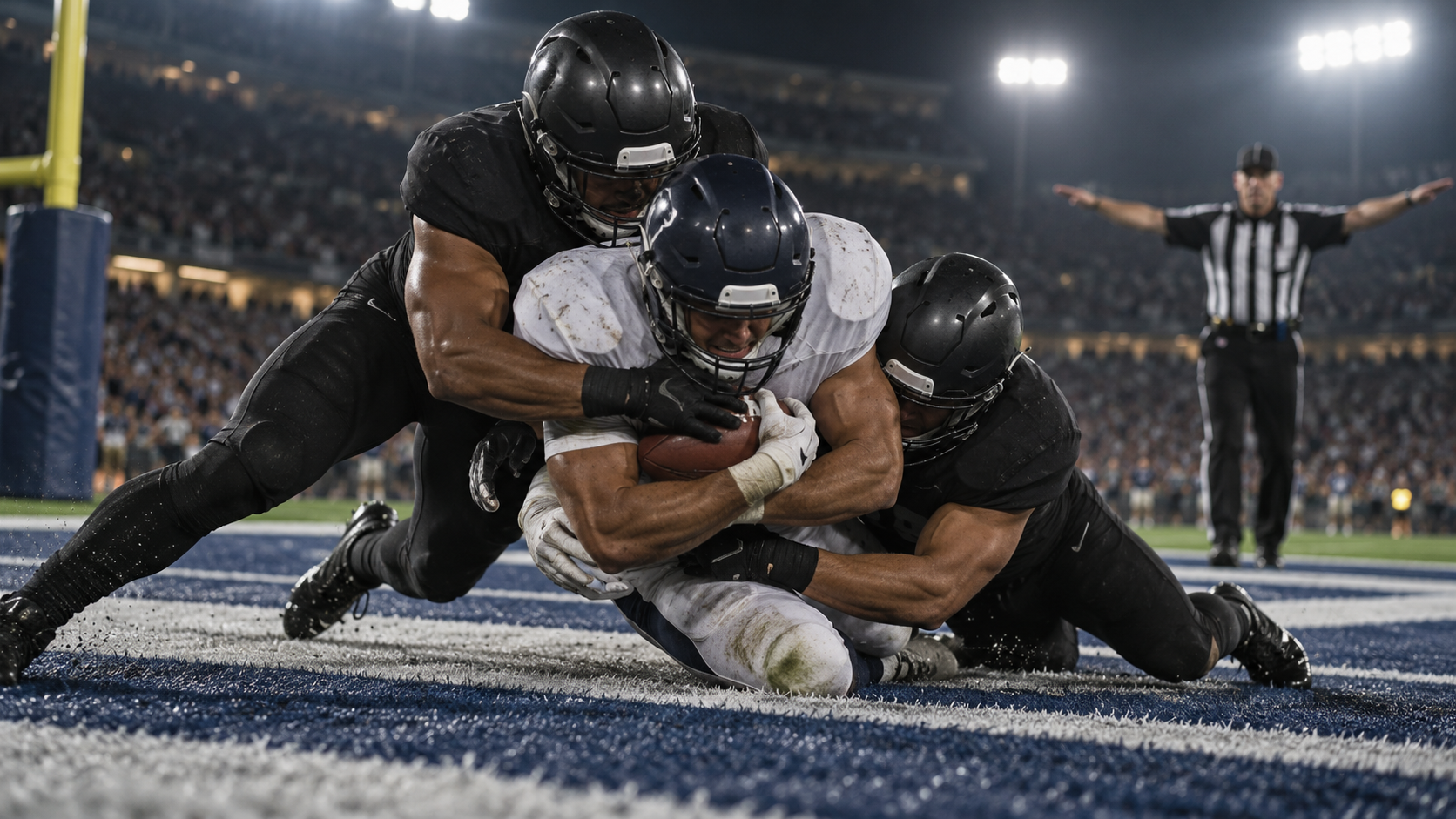
An NFL safety usually occurs when the team in possession is responsible for the ball becoming dead in its own end zone. The classic example is a ball carrier tackled there. It can also result from certain fouls, an out-of-bounds ball, or an offensive player forcing a loose ball behind his own goal line.
The defensive team receives two points. Responsibility, often called impetus in rule language, is crucial: officials ask which team supplied the force that put the ball into the end zone. A defender's new force on a loose ball can change the ruling, while a pass, fumble, or backward pass from the offense often preserves offensive responsibility.
After a safety, the team that conceded the points puts the ball in play with a free kick. It may use a punt, drop kick, or place kick under the applicable restrictions. That restart also gives the scoring team an opportunity to gain possession, which makes a safety more costly than the two-point total alone suggests.
Not every dead ball behind the goal line is a safety. A touchback can result when the opponent supplies the force and the defending team gains possession there, or when a kick enters the end zone under touchback rules. Field position, possession, and the source of the ball's momentum determine the correct call.
Two points for the team that did not have possession when the safety occurred.
The team that allowed it makes a free kick to the opponent.
No. Some situations are touchbacks, depending on possession and which team supplied the force.
Explore more "Explainers"
Discover additional explainers across politics, science, business, technology, and other fields. Each explainer breaks down a complex idea into clear, everyday language—helping you better understand how major concepts, systems, and debates shape the world around us.