

How Baseball Obstruction and Interference Differ Explainer
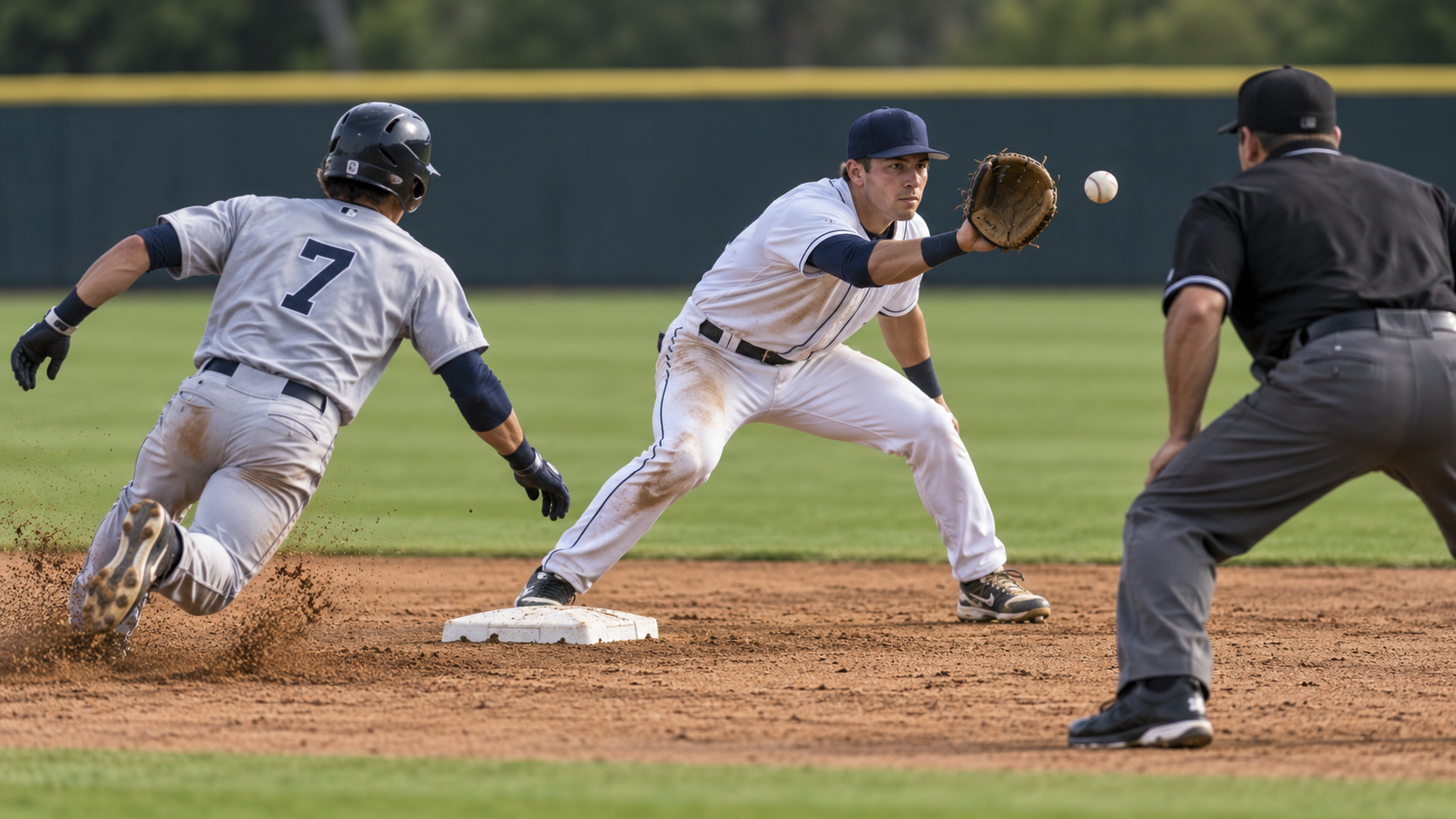
Baseball uses obstruction for illegal hindrance by the defense and interference for several forms of illegal hindrance usually associated with the offense. A fielder without the ball generally may not block a runner's path unless actively fielding a batted ball. A runner, meanwhile, must avoid interfering with a protected fielder making that play.
Obstruction can produce an immediate dead ball when a play is being made on the obstructed runner, or a delayed ruling when no such play is underway. In delayed cases, the umpire lets action continue and later awards bases that would nullify the obstruction. The remedy depends on the play's likely outcome.
Interference can be committed by a runner, batter, coach, spectator, or umpire, and the penalty changes with the type. Offensive interference often creates an out and a dead ball. The key question is not merely who made contact, but who had the legal right to the space and whether the act hindered play.
Collisions are not automatically violations. A fielder handling a batted ball has priority, while a fielder waiting for a throw faces different restrictions. Officials identify the protected action first, then judge contact, intent where relevant, and the effect on the runner or defender.
The defense, typically when a fielder illegally impedes a runner.
Often the offense, though rules also define spectator, umpire, and other interference.
No. The ruling depends on legal right of way and whether a player was hindered.
Explore more "Explainers"
Discover additional explainers across politics, science, business, technology, and other fields. Each explainer breaks down a complex idea into clear, everyday language—helping you better understand how major concepts, systems, and debates shape the world around us.