

On This Day in Sports: June 21, 1964
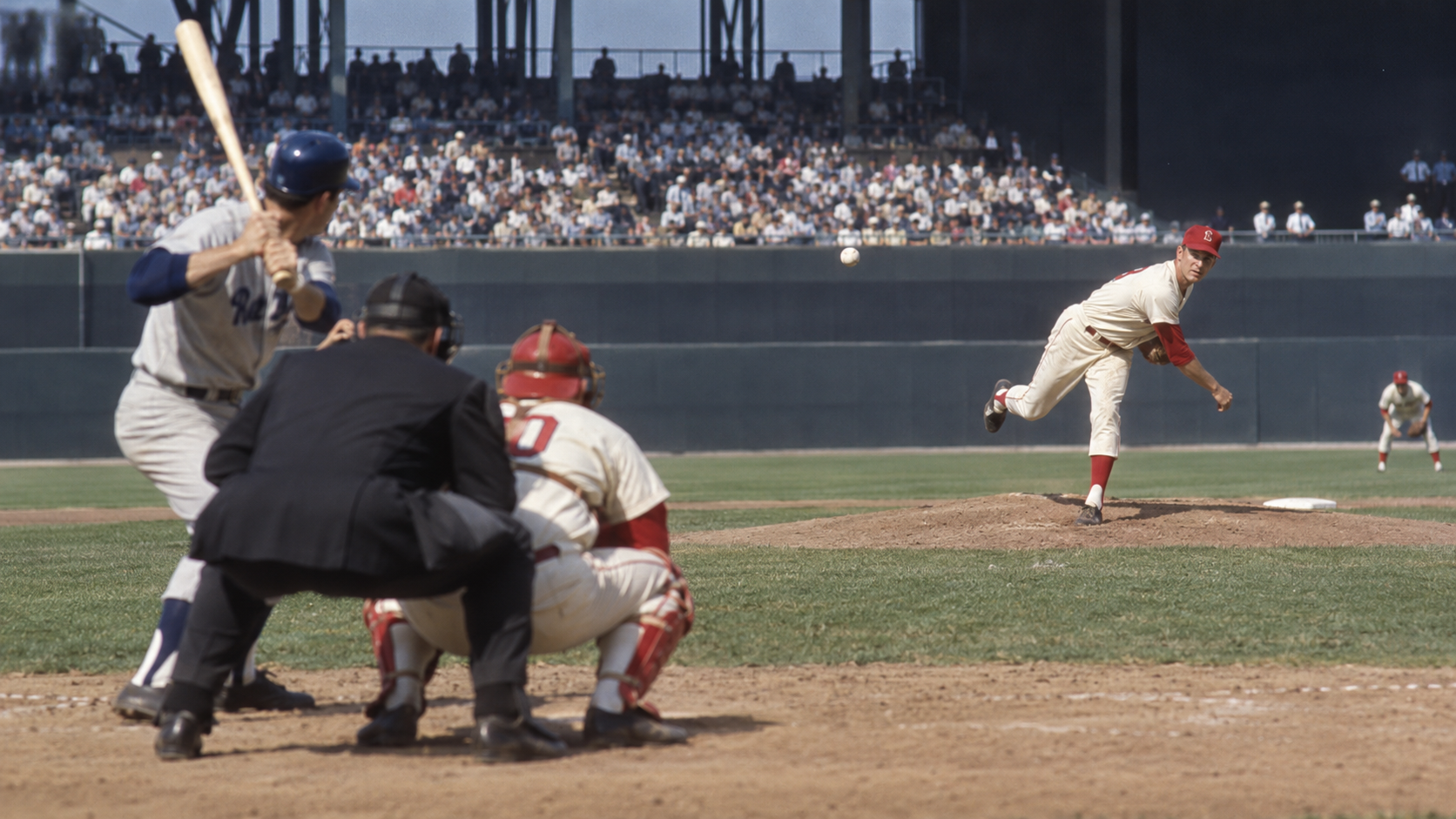
On June 21, 1964, Philadelphia Phillies pitcher Jim Bunning threw a perfect game against the New York Mets at Shea Stadium. He retired all 27 batters in a 6-0 victory and struck out ten. It was the first perfect game in the National League since 1880 and came on Father’s Day. The public record fixes the central details with unusual clarity: Bunning retired all 27 batters. Philadelphia won 6-0. Together, those facts explain why June 21, 1964 stands apart from the ordinary flow of a season and deserves to be remembered as a distinct historical moment.
Bunning worked quickly and needed only 90 pitches. By the late innings, teammates understood that no one had reached base and avoided disturbing his concentration. With two outs in the ninth, he struck out pinch hitter John Stephenson on three pitches and was mobbed by catcher Gus Triandos and the rest of the Phillies. Two further details help reconstruct how the achievement unfolded: He struck out ten. The game was played at Shea Stadium. They move the story beyond a headline by showing the pressure, setting and competitive choices that shaped the decisive action in real time.
The right-hander had already thrown a no-hitter for Detroit in 1958, making him the first modern pitcher to throw one in each major league. His precise fastball and slider controlled the Mets from the opening inning. Philadelphia backed him with early runs, eliminating the narrow-score anxiety that often surrounds perfect games. The wider context is equally important. Bunning used 90 pitches. He had thrown an American League no-hitter in 1958. Those points connect one day’s performance to a longer career, institution or rivalry and clarify why the event continued to matter after the immediate celebration had ended.
Bunning later served in Congress and was elected to the Baseball Hall of Fame, but the Shea Stadium performance remains the clearest image of his playing career. Perfection required no defensive miracle or disputed call. Twenty-seven opponents came to the plate, twenty-seven were retired and the final strike arrived exactly where he intended. Seen from today, the milestone remains compelling because it joins a measurable result with the uncertainty of live competition. Nothing about the outcome was guaranteed beforehand. That combination of preparation, opportunity and execution is what transformed the date from another entry on the schedule into lasting sports history. It also reveals how records and championships depend on teammates, opponents, officials, venues and rules that shape the opportunity. Preserving those surrounding details helps explain both the achievement itself and the reason later generations still discuss it.
Bunning retired all 27 batters.
Philadelphia won 6-0.
He struck out ten.
The game was played at Shea Stadium.
Bunning used 90 pitches.
He had thrown an American League no-hitter in 1958.
Explore more "On This Day in Sports"
Discover more landmark games, records, championships, and turning points from sports history. Each day revisits the athletes, teams, and moments that shaped competition and culture.