

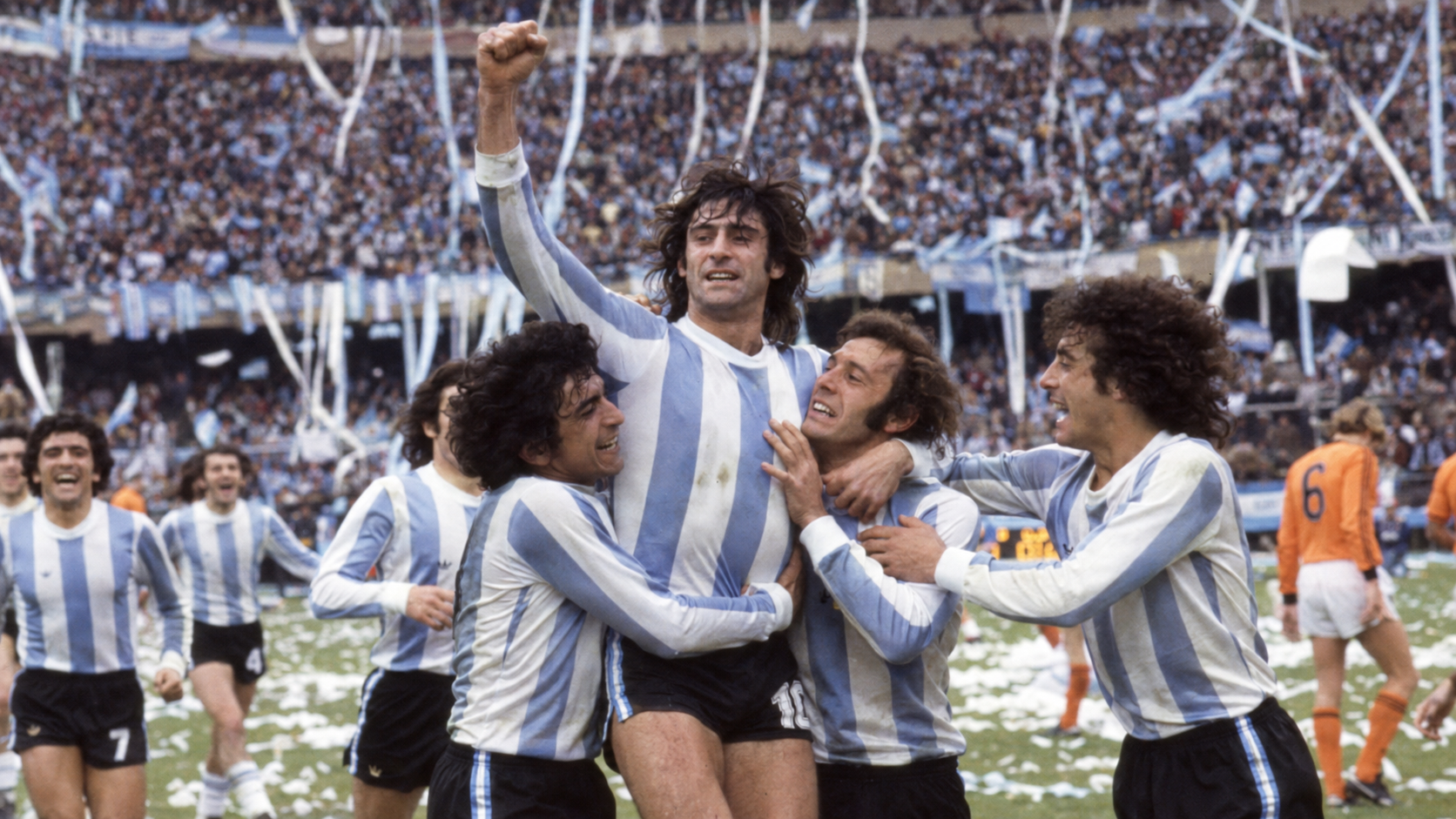
On This Day in Sports: June 25, 1978
On June 25, 1978, Argentina defeated the Netherlands 3-1 after extra time to win its first FIFA World Cup. The final unfolded amid a deafening cascade of paper at the Monumental stadium in Buenos Aires. Mario Kempes scored twice, including the go-ahead goal in the 105th minute. The public record fixes the central details with unusual clarity: Argentina won 3-1 after extra time. Mario Kempes scored twice. Together, those facts explain why June 25, 1978 stands apart from the ordinary flow of a season and deserves to be remembered as a distinct historical moment.
Kempes opened the scoring in the first half before substitute Dick Nanninga equalized for the Dutch late in regulation. Rob Rensenbrink then struck the post in the final seconds, coming inches from a winning goal. In extra time Kempes forced the ball through a crowded area, and Daniel Bertoni completed the victory. Two further details help reconstruct how the achievement unfolded: The final was played at the Monumental. Dick Nanninga equalized for the Netherlands. They move the story beyond a headline by showing the pressure, setting and competitive choices that shaped the decisive action in real time.
The tournament took place under Argentina’s military dictatorship, which used the spectacle to project unity while carrying out widespread repression. Controversy also surrounded Argentina’s 6-0 victory over Peru, the result that secured a place in the final. Those realities remain inseparable from any full account of the championship. The wider context is equally important. Daniel Bertoni scored the final goal. It was Argentina’s first World Cup title. Those points connect one day’s performance to a longer career, institution or rivalry and clarify why the event continued to matter after the immediate celebration had ended.
For players and supporters, the final nevertheless delivered a long-awaited sporting achievement. Kempes won the Golden Boot with six goals, and captain Daniel Passarella lifted the trophy at home. Argentina later added more world titles, but the first established the light-blue-and-white shirt as a permanent symbol on football’s largest stage. Seen from today, the milestone remains compelling because it joins a measurable result with the uncertainty of live competition. Nothing about the outcome was guaranteed beforehand. That combination of preparation, opportunity and execution is what transformed the date from another entry on the schedule into lasting sports history. It also reveals how records and championships depend on teammates, opponents, officials, venues and rules that shape the opportunity. Preserving those surrounding details helps explain both the achievement itself and the reason later generations still discuss it.
Argentina won 3-1 after extra time.
Mario Kempes scored twice.
The final was played at the Monumental.
Dick Nanninga equalized for the Netherlands.
Daniel Bertoni scored the final goal.
It was Argentina’s first World Cup title.
Explore more "On This Day in Sports"
Discover more landmark games, records, championships, and turning points from sports history. Each day revisits the athletes, teams, and moments that shaped competition and culture.