

How Baseball Batting Out of Turn Works Explainer
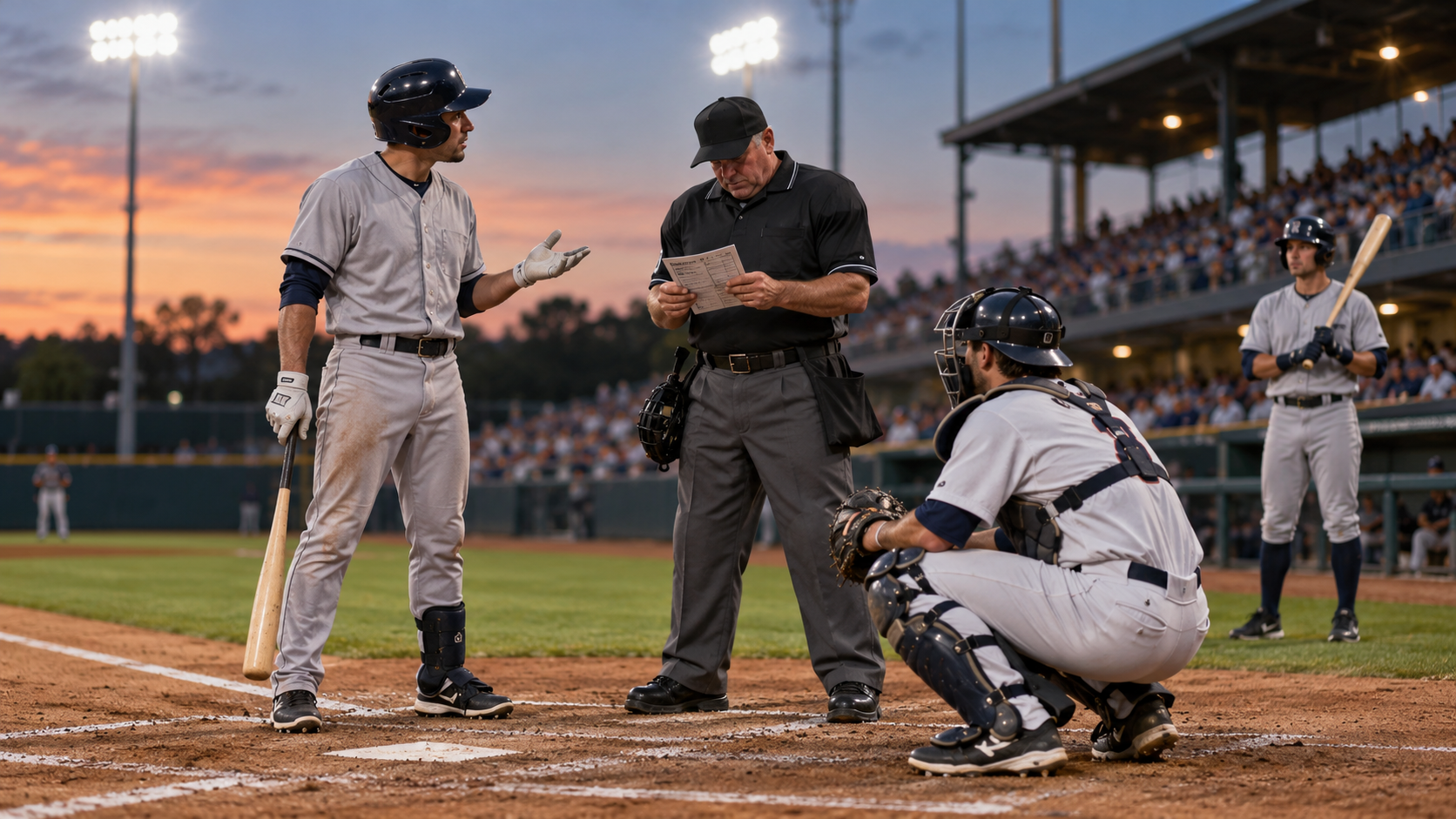
Batting out of turn occurs when a player completes or begins a plate appearance when another teammate is listed to bat. Umpires do not automatically stop the mistake. The batting-order rule is enforced through an appeal, so the consequence depends heavily on when the defense notices and raises the problem.
If the error is discovered while the improper batter is still at the plate, the proper batter takes that place and inherits the existing count. No out is charged simply for correcting the order at that stage. The lineup then continues from the batter who properly completed the plate appearance.
If the improper batter completes the appearance and the defense appeals before the next pitch or attempted play, the proper batter is called out. Advances caused by the improper batter's hit or by that batter reaching first are nullified, while advances from a steal, balk, wild pitch, or passed ball can remain.
A late appeal changes everything. Once another pitch or attempted play occurs, the improper batter becomes legalized as the proper batter for that turn, and the result stands. The next legal hitter is the player whose name follows the newly legalized batter, which can cause a skipped name to wait until the order cycles again.
No. The teams are responsible for recognizing the mistake and making a timely appeal.
The proper batter replaces the improper batter and assumes the existing ball-and-strike count.
After the next pitch or attempted play, the improper batter's appearance is legalized and its result stands.
Explore more "Explainers"
Discover additional explainers across politics, science, business, technology, and other fields. Each explainer breaks down a complex idea into clear, everyday language—helping you better understand how major concepts, systems, and debates shape the world around us.