

How the NBA's Eight-Second Rule Works Explainer
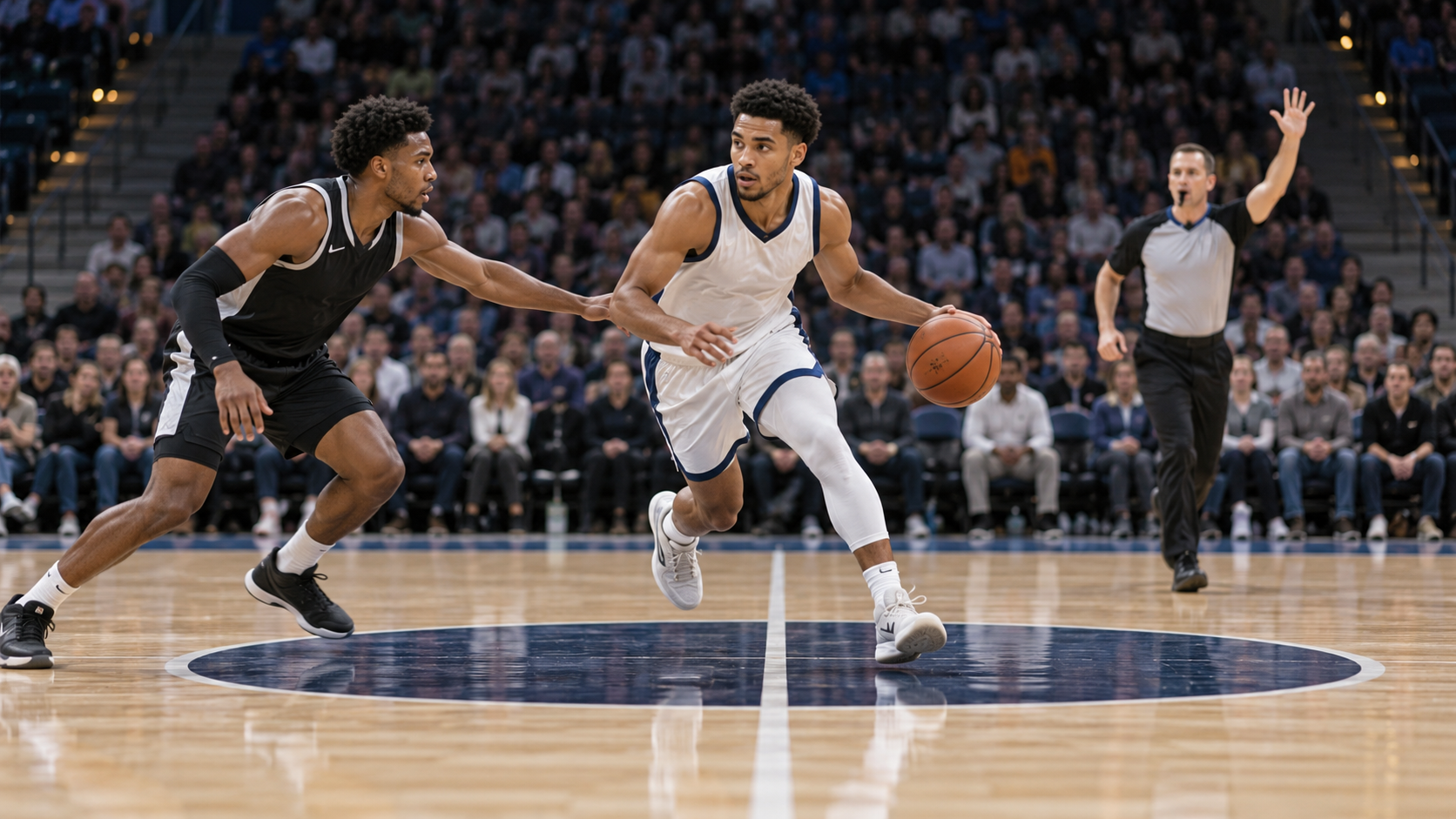
The NBA's eight-second rule prevents a team from keeping continuous possession in its backcourt for more than eight consecutive seconds. The count begins when the team gains control in the backcourt. If it fails to establish frontcourt status in time, the violation gives the opponents the ball at midcourt.
For a dribbler, frontcourt status is established only when both feet and the ball are in the frontcourt. The midcourt line belongs to the backcourt for the team bringing the ball up. A pass can establish frontcourt possession when an offensive player with frontcourt status controls it.
Not every stoppage starts a fresh eight seconds. When the offense retains possession after the ball goes out, officials can continue the remaining count. A new count is awarded after specified defensive actions, including a kicked or punched ball, a personal or technical foul, or a defensive delay warning.
The rule measures team control, not simply the shot clock display. Loose-ball taps during rebounds or jump-ball situations may occur before either team has control. Officials combine their visible count, possession status, and court location to decide whether the offense crossed legally or surrendered the ball through delay.
It begins when a team gains control of the ball in its backcourt.
No. The line is part of the backcourt for the advancing team.
No. The remaining count can continue unless a rule grants a new eight seconds.
Explore more "Explainers"
Discover additional explainers across politics, science, business, technology, and other fields. Each explainer breaks down a complex idea into clear, everyday language—helping you better understand how major concepts, systems, and debates shape the world around us.