

How Formula 1 Formation Laps Work Explainer
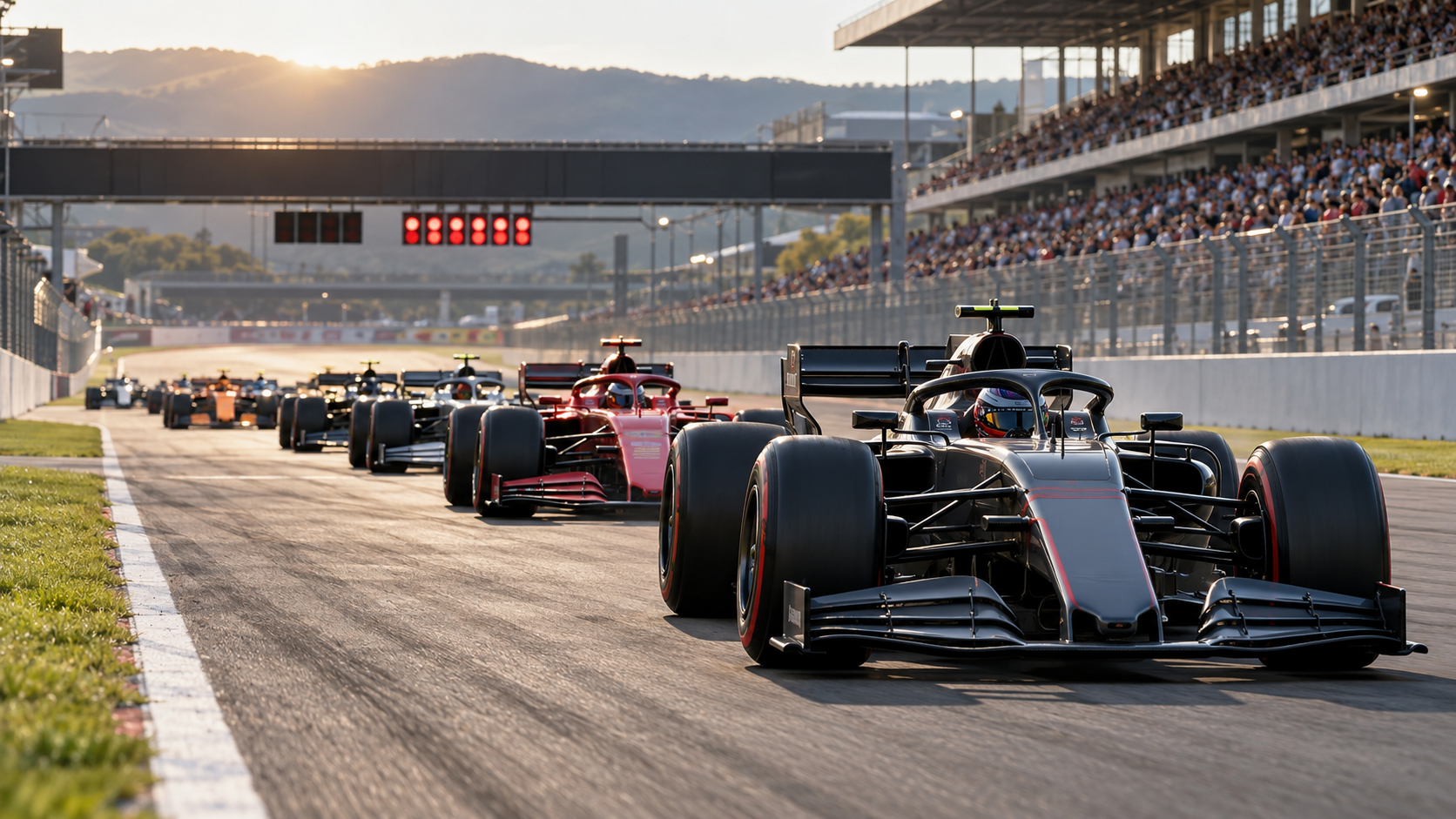
Before a standing Formula 1 start, the field leaves the grid for a formation lap. Drivers warm tires and brakes, check systems, and return to their assigned grid boxes. They must maintain the prescribed order and avoid practice starts or conduct that creates a dangerous gap.
Overtaking is generally forbidden. A driver may pass a car that is delayed leaving the grid or develops an obvious problem when staying behind would unduly delay the field. The delayed car may recover position only within the permitted procedure; otherwise it starts from the back or pit lane.
If a problem threatens a safe start after the lap begins, the race director can order an extra formation lap. The start sequence resets, the immobilized car is removed, and the race distance or timing treatment follows the sporting regulations for that start procedure.
Poor conditions can produce formation laps behind the safety car, sometimes with mandatory wet-weather tires and controlled gaps. Cars starting from the pit lane join only as directed and return there before the start. The lap is therefore both a mechanical check and a tightly regulated transition into racing.
Normally no, except for narrowly defined cases involving a delayed or troubled car.
To resolve a problem that could endanger the start without fully aborting the procedure.
Yes. The race director may use that procedure when track conditions make a normal start unsuitable.
Explore more "Explainers"
Discover additional explainers across politics, science, business, technology, and other fields. Each explainer breaks down a complex idea into clear, everyday language—helping you better understand how major concepts, systems, and debates shape the world around us.