

On This Day in Sports: July 27, 2012
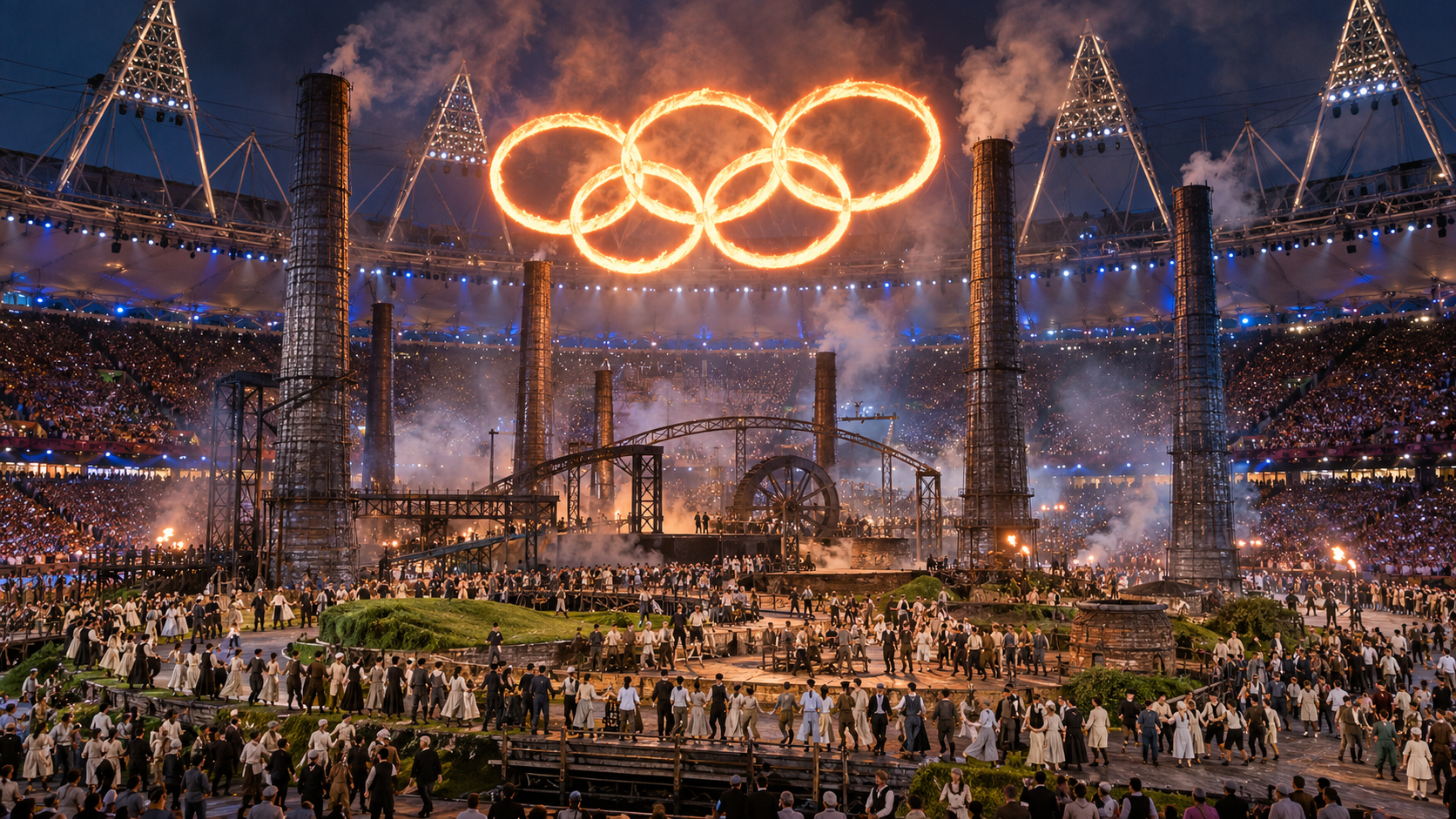
On July 27, 2012, the London Summer Olympics opened with Danny Boyle’s ambitious ceremony, Isles of Wonder, at Olympic Stadium. The production transformed a pastoral set into an industrial landscape before moving through British music, literature, health care and digital culture. Humor and mass choreography gave the broadcast an unusually theatrical identity. The public record fixes the central details with unusual clarity: Danny Boyle directed the ceremony. London hosted the Olympics for a third time. Together, those facts explain why July 27, 2012 stands apart from the ordinary flow of a season and deserves to be remembered as a distinct historical moment.
London became the first city to host the modern Summer Olympics three times after earlier Games in 1908 and 1948. Boyle assembled thousands of volunteers and professional performers to present a national story without relying only on military ceremony or famous monuments. Two further details help reconstruct how the achievement unfolded: Thousands of volunteers performed. The ceremony featured the National Health Service. They move the story beyond a headline by showing the pressure, setting and competitive choices that shaped the decisive action in real time.
Memorable sequences included forged Olympic rings rising above the stadium, National Health Service performers, Rowan Atkinson interrupting Chariots of Fire and a filmed appearance by Queen Elizabeth II with Daniel Craig as James Bond. Seven young athletes lit a cauldron formed from copper petals. The wider context is equally important. Seven young athletes lit the cauldron. The cauldron was formed from copper petals. Those points connect one day’s performance to a longer career, institution or rivalry and clarify why the event continued to matter after the immediate celebration had ended.
The ceremony drew a massive global audience and set a confident tone for the Games. Its volunteer-centered scale and inventive cauldron received lasting praise. London’s event also demonstrated how an opening ceremony could acknowledge social institutions and popular culture while preserving formal Olympic ritual. Seen from today, the milestone remains compelling because it joins a measurable result with the uncertainty of live competition. Nothing about the outcome was guaranteed beforehand. That combination of preparation, opportunity and execution transformed the date from another entry on the schedule into lasting sports history. It also reveals how records and championships depend on teammates, opponents, officials, venues and rules that shape the opportunity. Preserving those surrounding details helps explain both the achievement itself and the reason later generations still discuss it. The date therefore offers a useful window into how sporting excellence is created, witnessed and remembered.
Danny Boyle directed the ceremony.
London hosted the Olympics for a third time.
Thousands of volunteers performed.
The ceremony featured the National Health Service.
Seven young athletes lit the cauldron.
The cauldron was formed from copper petals.
Explore more "On This Day in Sports"
Discover more landmark games, records, championships, and turning points from sports history. Each day revisits the athletes, teams, and moments that shaped competition and culture.