

On This Day in Pop: July 31, 2016
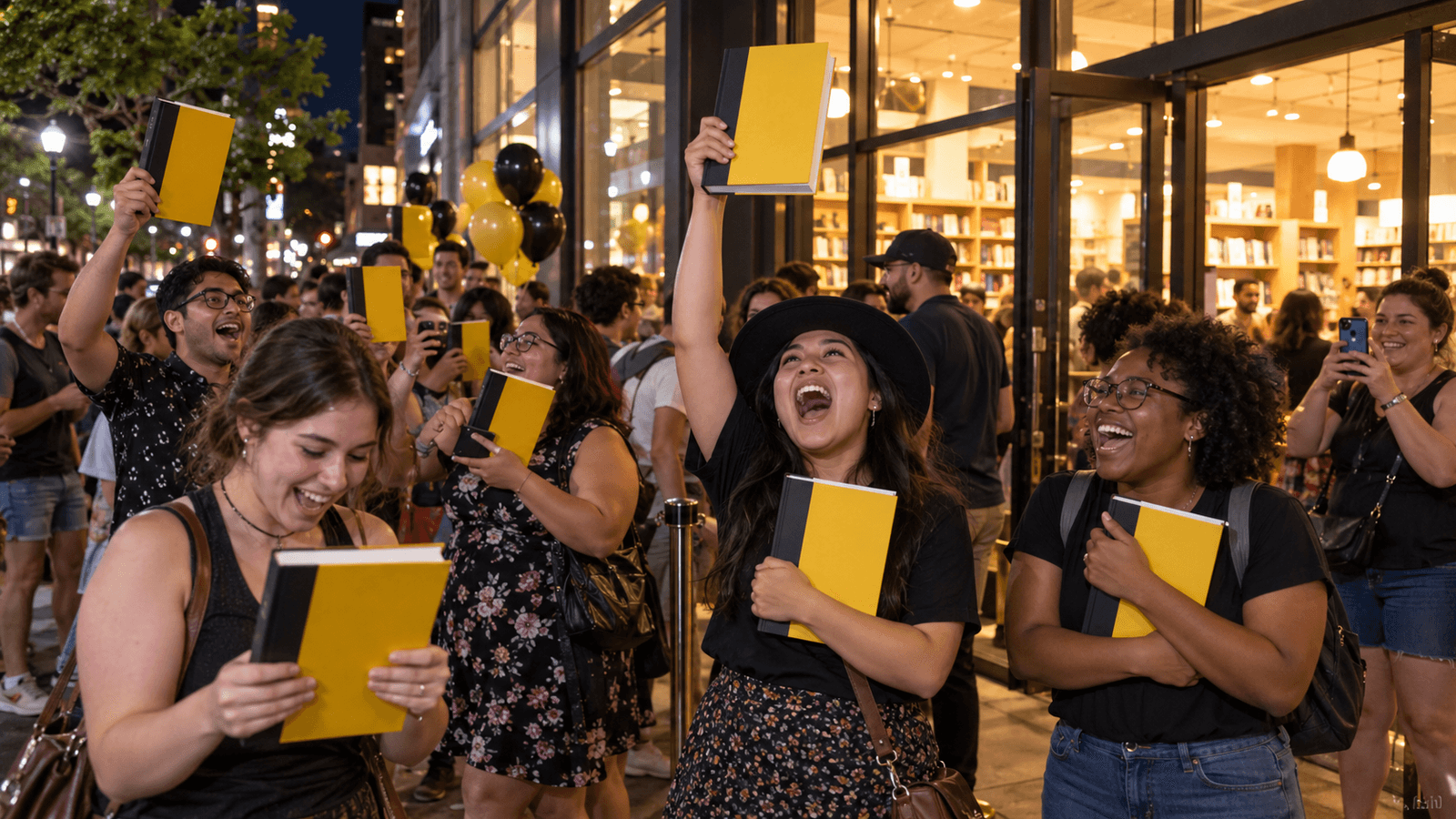
At 12:01 a.m. on July 31, 2016, the special rehearsal edition of Harry Potter and the Cursed Child Parts One and Two went on sale in the United States and Canada, with related editions released elsewhere. The book presented Jack Thorne’s script for the stage play based on an original story by J. K. Rowling, Thorne and director John Tiffany. The London production had officially opened at the Palace Theatre the previous evening after weeks of previews. Because most fans could not attend the West End, the script became their immediate access to a story set nineteen years after the original novels. Bookstores revived costumes, countdowns and midnight parties associated with the earlier series.
The publication mattered because it asked readers to approach a theatrical blueprint as if it were the eighth Harry Potter story. Stage directions, scene changes and dialogue replaced the descriptive narration that had guided the novels, leaving performance, design and actors to supply much of the experience. Some readers embraced the new family conflicts and time-travel plot; others resisted its form or questioned its place in continuity. The rehearsal label was important: the text reflected an early production period and would later be replaced by a definitive edition. A living stage work had entered mass publishing before its theatrical life was settled.
The script sold millions of copies and returned Harry Potter to the top of bookseller lists nearly a decade after Deathly Hallows. The play expanded internationally and became known for large-scale stage illusions, while later productions revised its length and structure. Its cultural life is also affected by ongoing controversy around Rowling’s public statements, which has changed how parts of the audience engage with new franchise work. July 31 marks a hybrid event—book launch, theater extension and fan reunion. The midnight queues echoed 2007, but the object in readers’ hands was different, reminding audiences that a familiar fictional world can move between media while changing what counts as the work itself.
Remembering the cursed child rehearsal script is published at midnight on July 31 is valuable because anniversaries turn a familiar cultural object back into a specific decision, release or broadcast. The surrounding technology, business and audience conditions explain why the moment could happen then, while its later uses show that meaning never stops changing. Seen at that scale, the date is not trivia. It is a checkpoint between creation and memory: a place to separate what occurred from the legend accumulated around it and to ask why the work still attracts attention. That perspective also restores the labor of collaborators, distributors and audiences whose choices helped a single event travel beyond its first setting. Cultural history becomes clearer when the remembered icon is reconnected to the systems and people that made it visible.
The special rehearsal edition of The Cursed Child script was published at 12:01 a.m. on July 31, 2016.
The remembered moment placed Cursed Child Script inside the technology, audience habits and creative choices of 2016. Those conditions explain why it could happen then and why contemporary reactions differed from later memory.
Jack Thorne wrote the play from a story developed with J. K. Rowling and director John Tiffany.
Its immediate importance came from the way audiences, distributors and other creators responded. The event gained force beyond its first release or appearance as people repeated, debated and reinterpreted it.
Midnight events revived the release ritual of the original novels while giving distant fans access to the stage story.
Over time, the event became a reference point for later work in popular culture. Its legacy includes both the achievement itself and the changing arguments about what should be celebrated, questioned or rediscovered.
Explore more of "On This Day ..."
Discover more events from the same date across news, politics, technology, sports, and other fields. Each link highlights significant moments that shaped history on different fronts.