Josh Achiam and colleagues, 2023
We report the development of GPT-4, a large-scale, multimodal model which can accept image and text inputs and produce text outputs.

Don't Just Read it – Explore It
We report the development of GPT-4, a large-scale, multimodal model which can accept image and text inputs and produce text outputs.
This report introduces a new family of multimodal models, Gemini, that exhibit remarkable capabilities across image, audio, video, and text understanding.
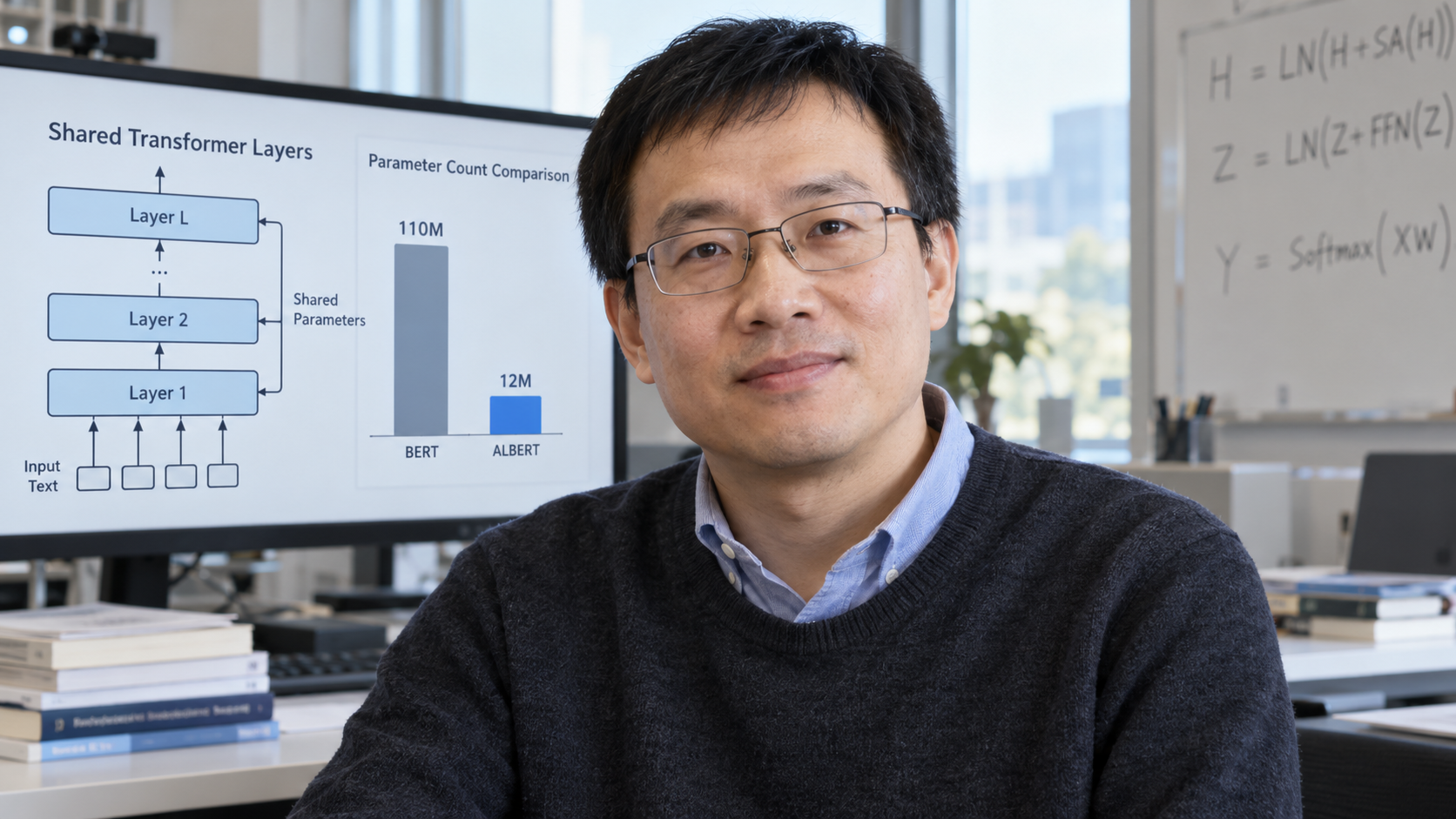
We present two parameter-reduction techniques to lower memory consumption and increase the training speed of BERT.
We propose a new model architecture, DeBERTa, that improves the BERT and RoBERTa models using two novel techniques.
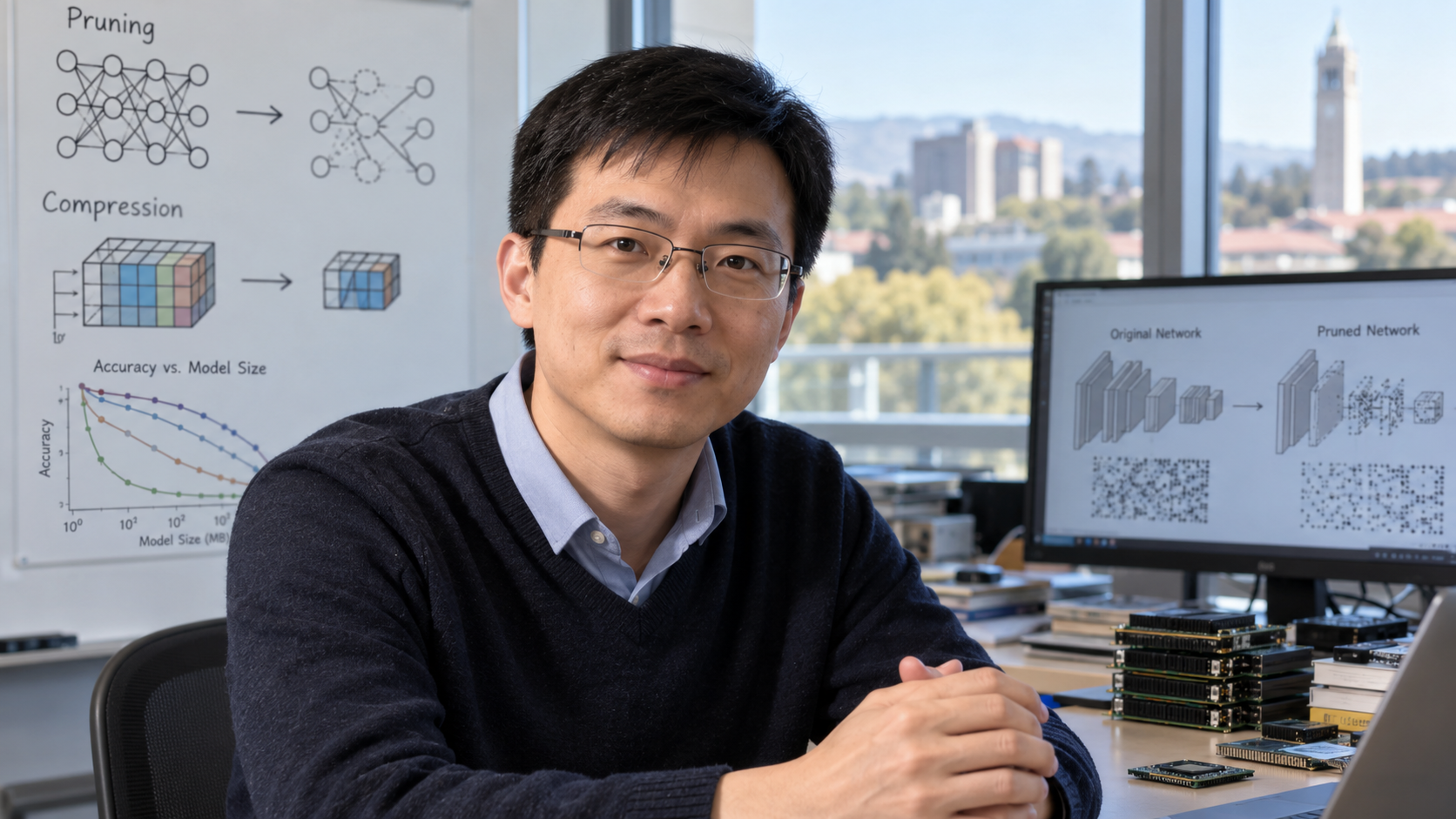
We introduce deep compression, a three stage pipeline: pruning, trained quantization and Huffman coding.
Here we propose node2vec, an algorithmic framework for learning continuous feature representations for nodes in networks.
Our key insight is the necessity of effectively encoding the structural information of a graph into the model.
Taken together, the results implied that protein language models learned some of the grammar of the language of life.
A simple dual-encoder architecture learns to align visual and language representations of the image and text pairs using a contrastive loss.
We introduce the Tasks Assessing Protein Embeddings, a set of five biologically relevant semi-supervised learning tasks.
We need to ensure AI is serving people, not the other way around.
We introduce Flamingo, a family of Visual Language Models with this ability.