Dario Amodei, 2023
Dario Amodei’s testimony emphasizes the pace of capability growth and the need for policy aimed at where systems are heading.

Don't Just Read it – Explore It
Dario Amodei’s testimony emphasizes the pace of capability growth and the need for policy aimed at where systems are heading.
António Guterres’s warning insists on human control, law, and accountability wherever AI shapes life-and-death decisions.
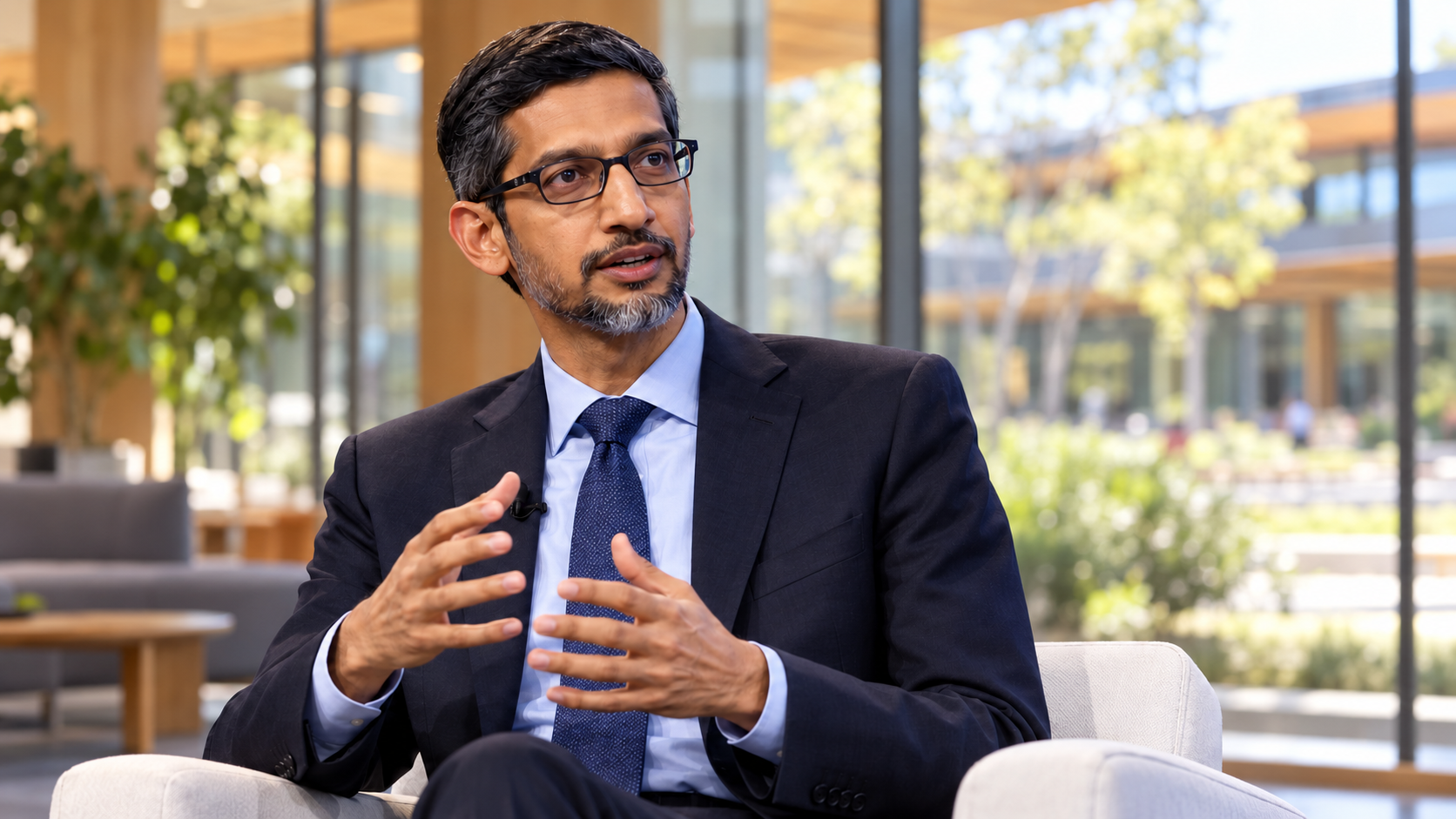
Sundar Pichai’s formulation argues that AI oversight must protect society without discarding the technology’s public benefits.
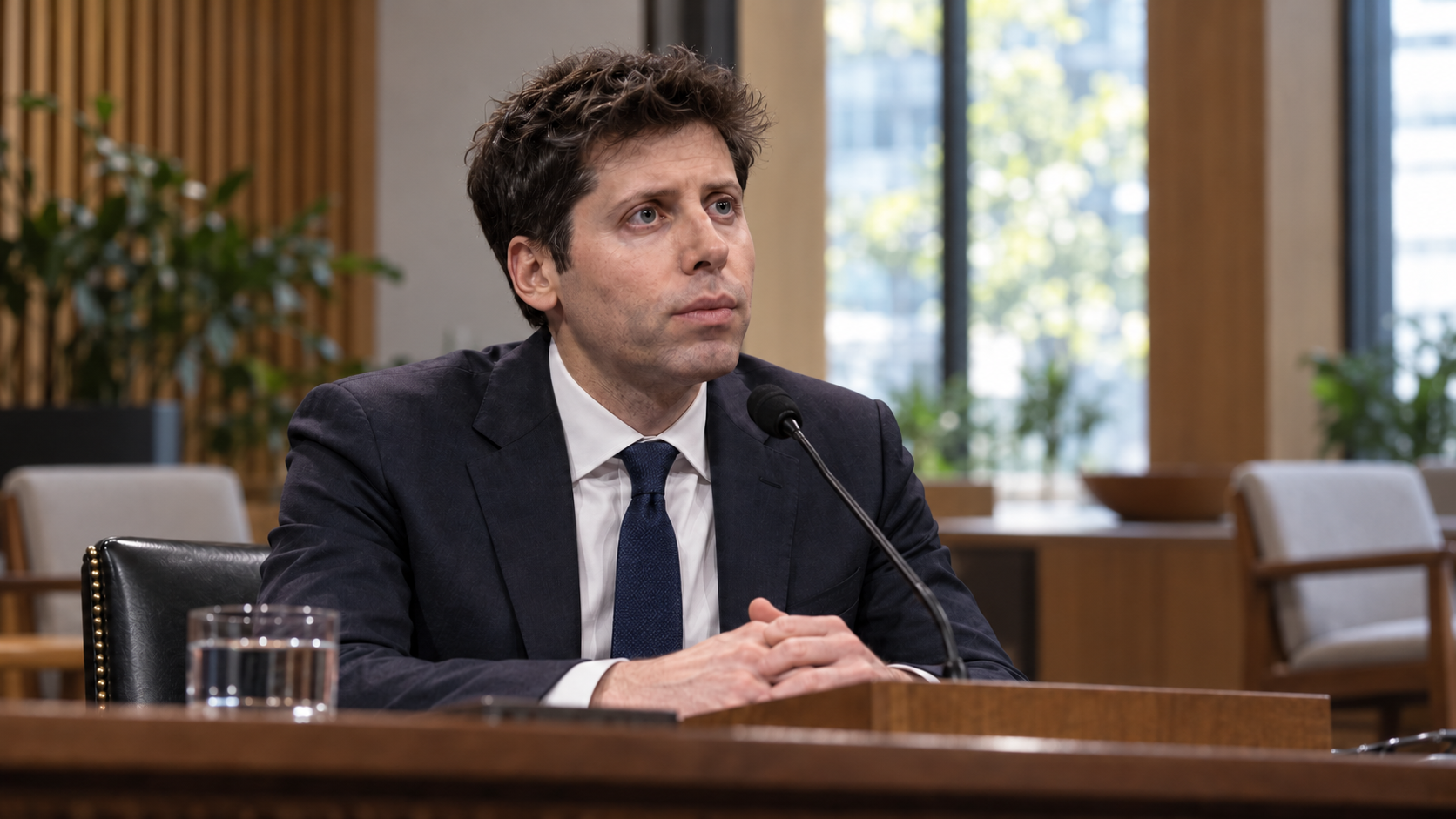
Sam Altman’s Senate testimony frames AI policy around both safety incentives and broad access to useful capabilities.
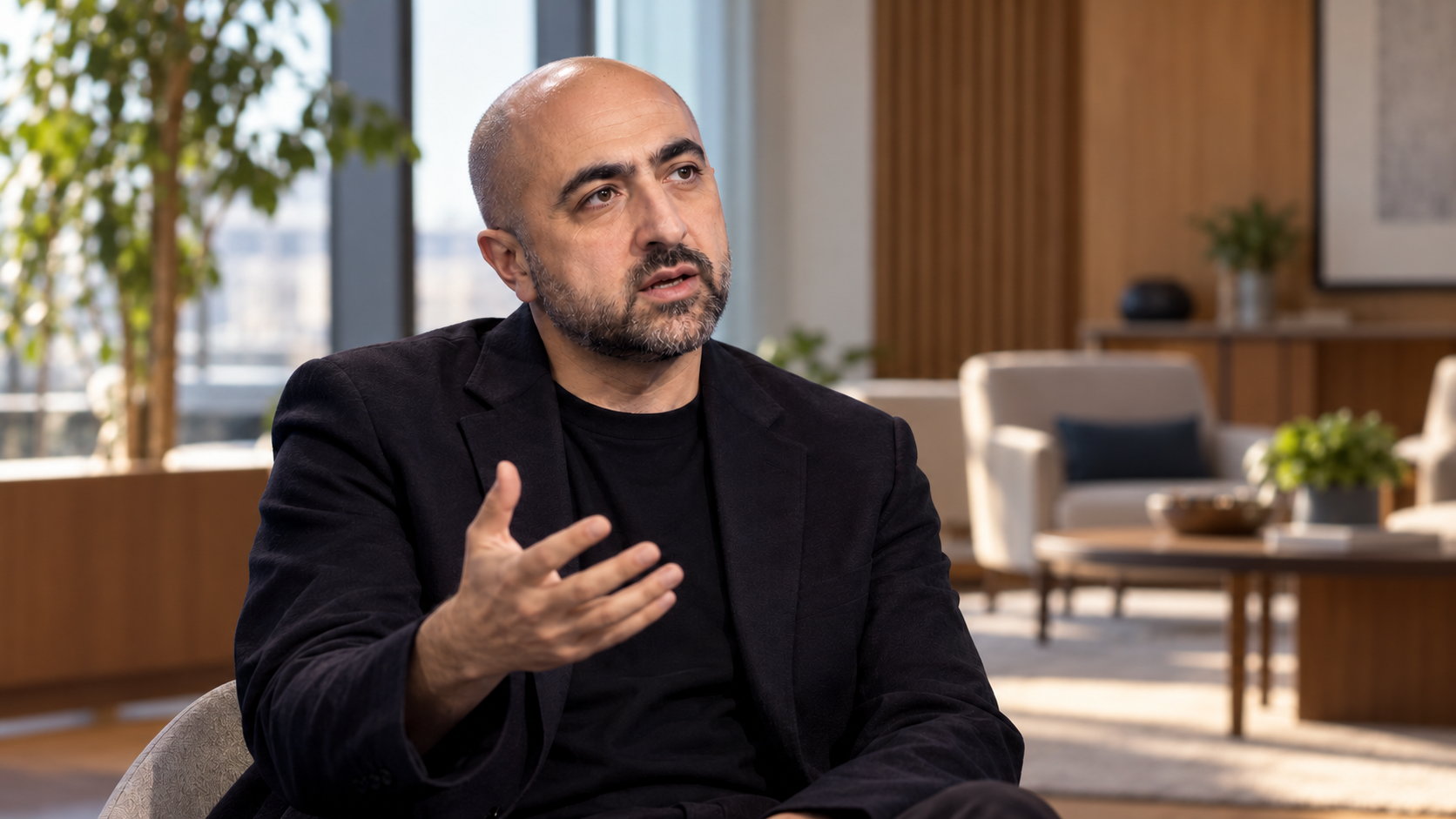
Mustafa Suleyman’s metaphor highlights AI’s increasingly agent-like behavior while testing the language used to describe human-built systems.
Melanie Mitchell’s insight connects AI alignment to the deeper challenge of learning flexible, context-rich human concepts.
Timnit Gebru’s dataset-documentation warning makes provenance, motivation, composition, and limits part of responsible machine learning.
Margaret Mitchell’s warning asks AI governance to address present harms without losing sight of longer-term risks.
Rumman Chowdhury’s plain-language description demystifies AI so its assumptions and impacts can be publicly examined.
Geoffrey Hinton’s claim forces a difficult question about what understanding should mean for neural language models.
Yoshua Bengio’s call links advanced AI governance to broad participation, shared evidence, and the global public interest.
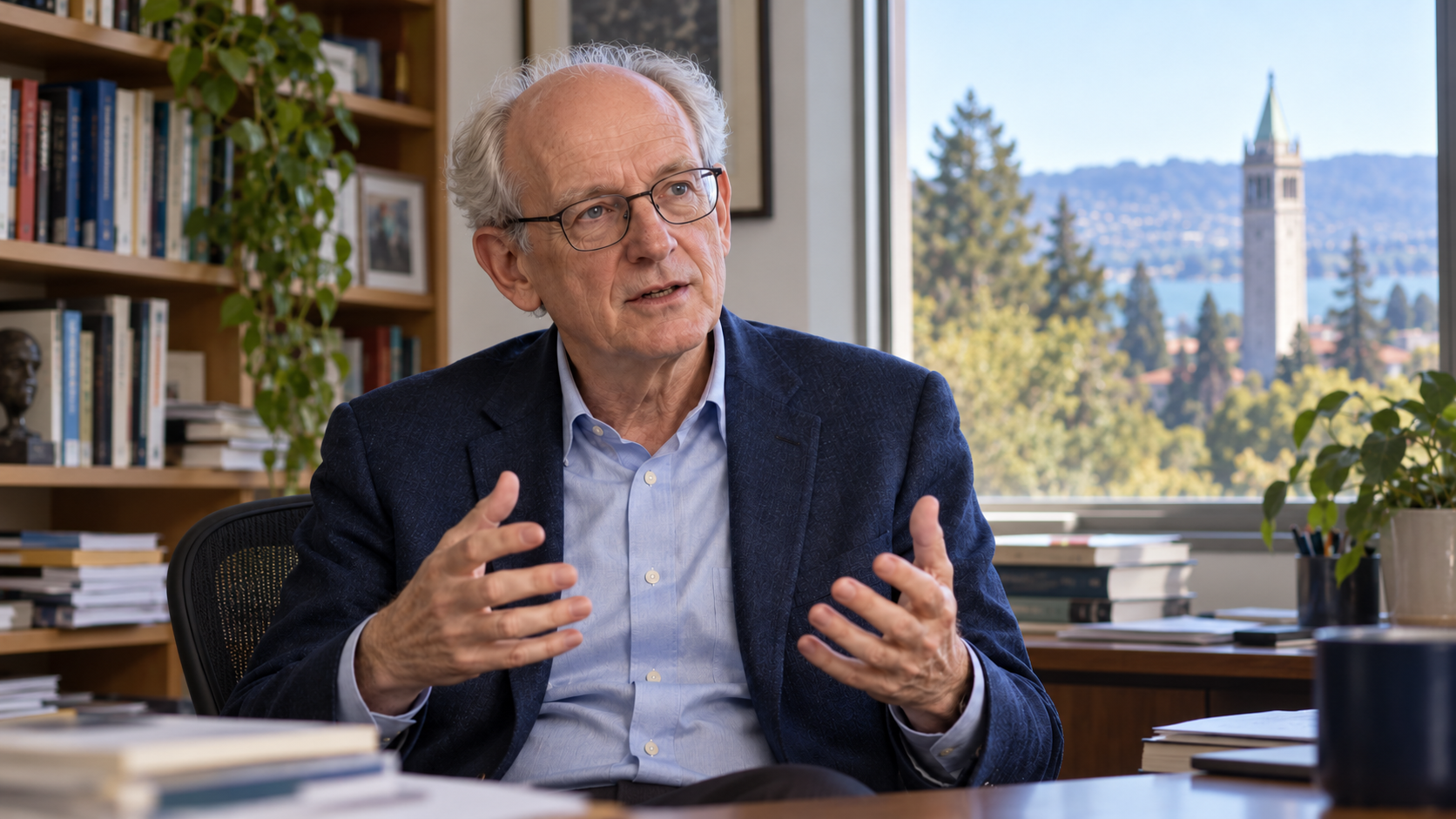
Stuart Russell’s principle replaces fixed machine objectives with uncertainty about what people actually want.