Blinding in Clinical Research
Blinding in clinical research explained: learn how masking treatment assignments can reduce bias and why some trials cannot blind everyone.

Don't Just Read it – Explore It
Blinding in clinical research explained: learn how masking treatment assignments can reduce bias and why some trials cannot blind everyone.
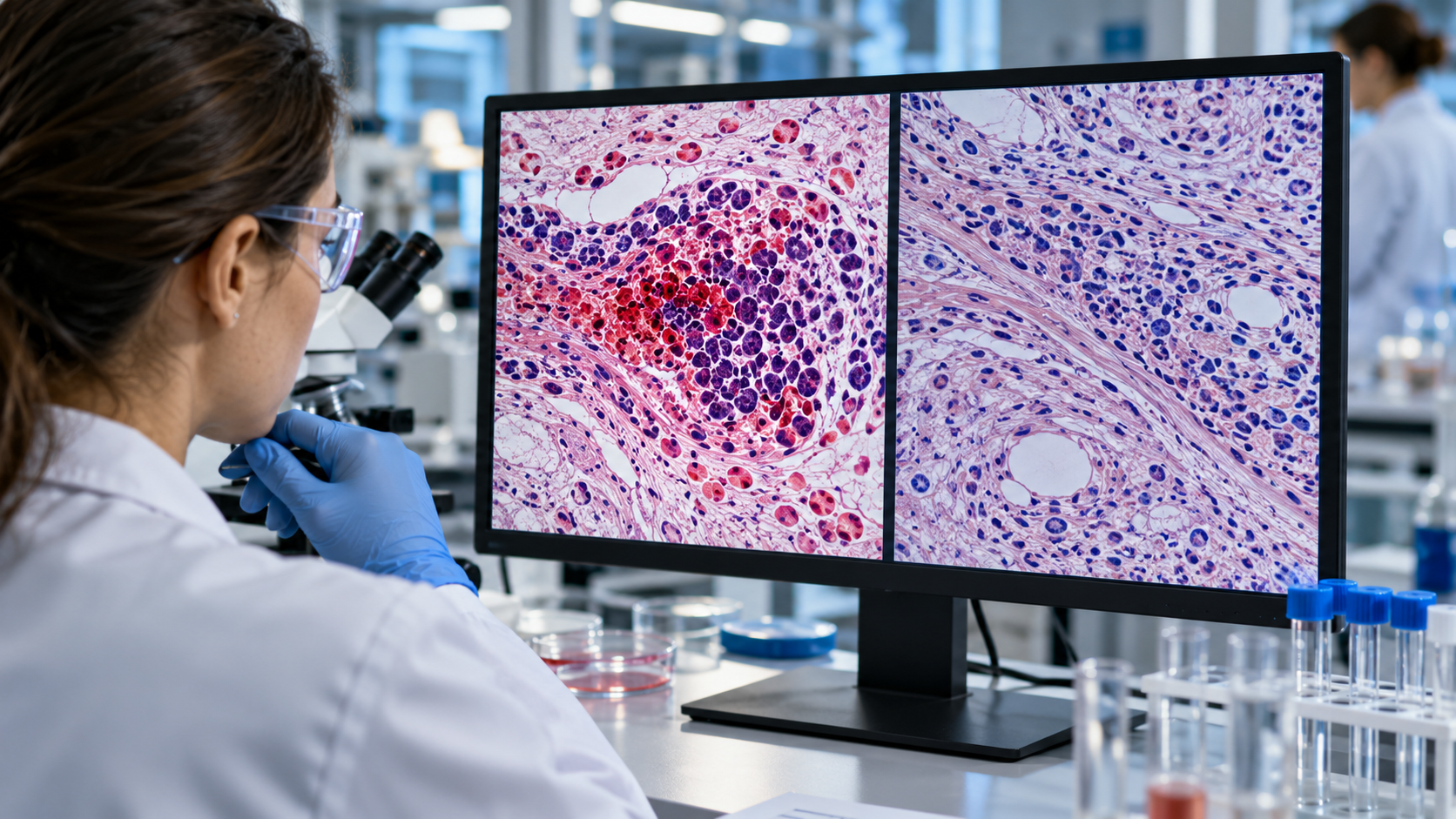
Acute and chronic inflammation explained: see how a protective short-term response can differ from persistent inflammation that damages tissue.
Cytokines explained: learn how small signaling proteins coordinate immunity, inflammation, blood cell development, and tissue repair.
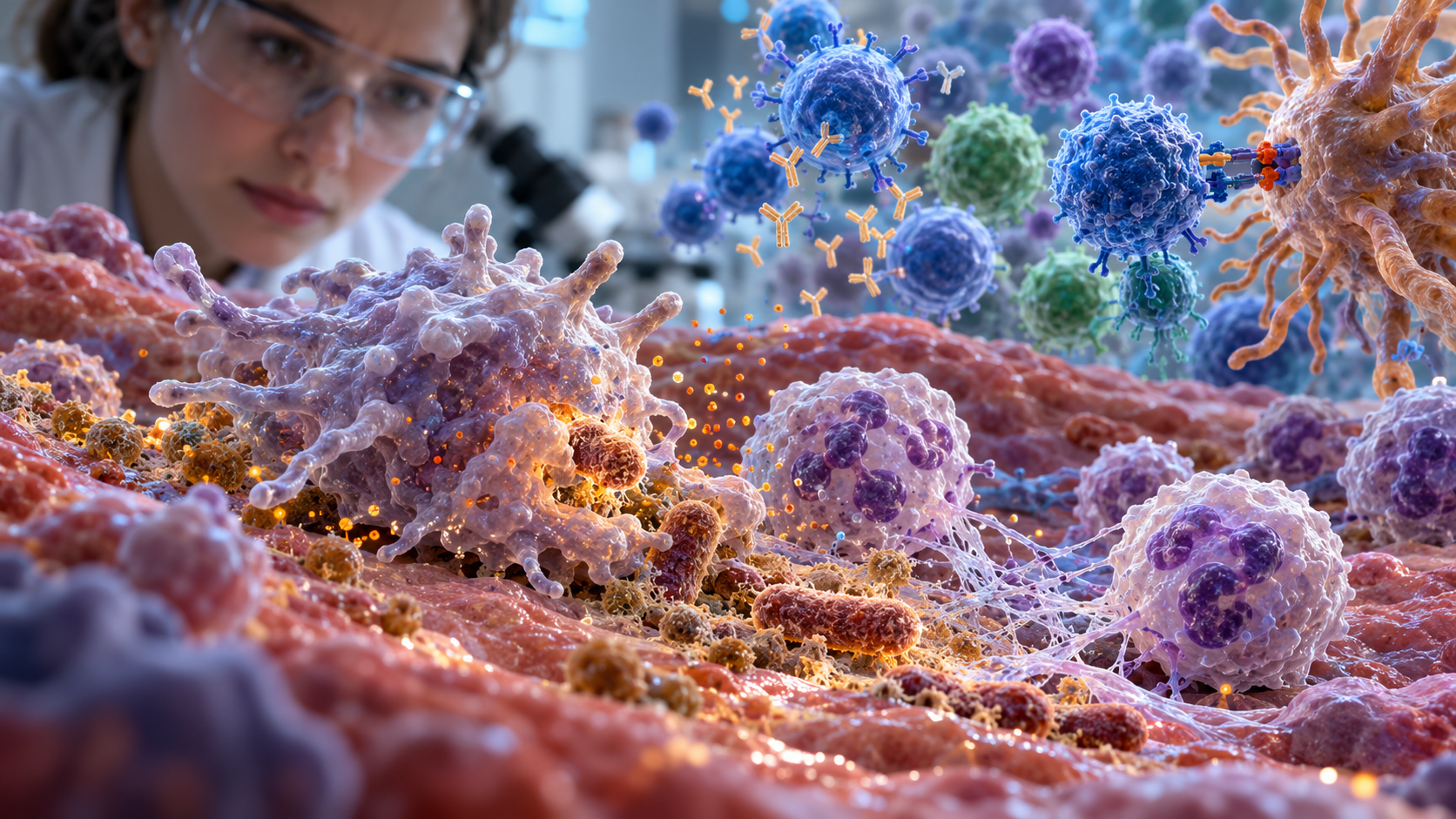
Innate and adaptive immunity explained: understand how immediate broad defenses work with slower, targeted responses and immune memory.
Autoimmune disease explained: learn how immune responses can target the body’s own tissues and why symptoms, diagnosis, and treatment vary.
Antimicrobial resistance explained: learn how germs evolve to defeat medicines and why prevention and careful use protect treatment options.
Immune memory explained: see how B cells, T cells, and antibodies help the body respond faster after infection or vaccination.
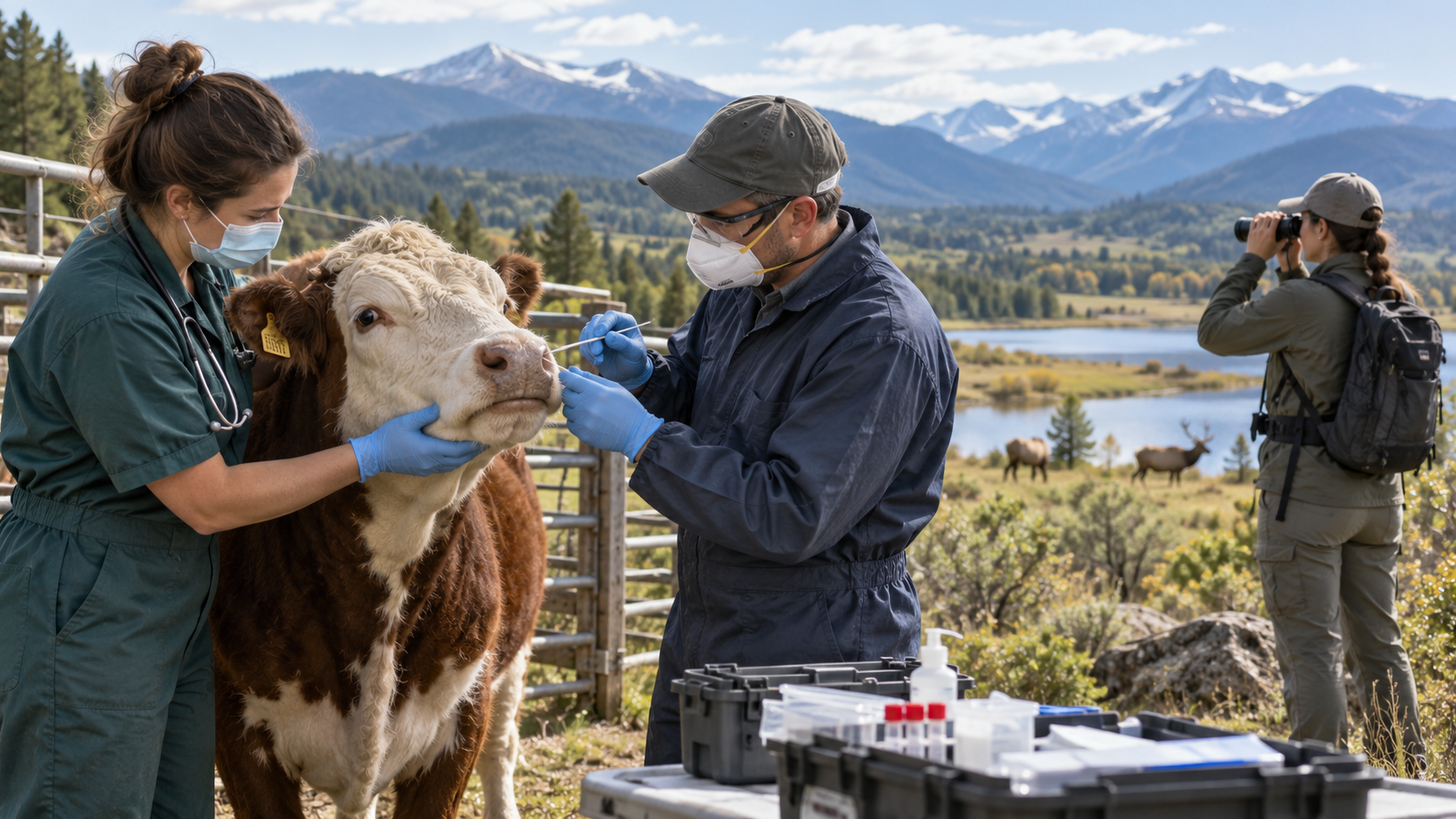
Zoonotic diseases explained: learn how germs move between animals and people, what raises spillover risk, and how prevention works.
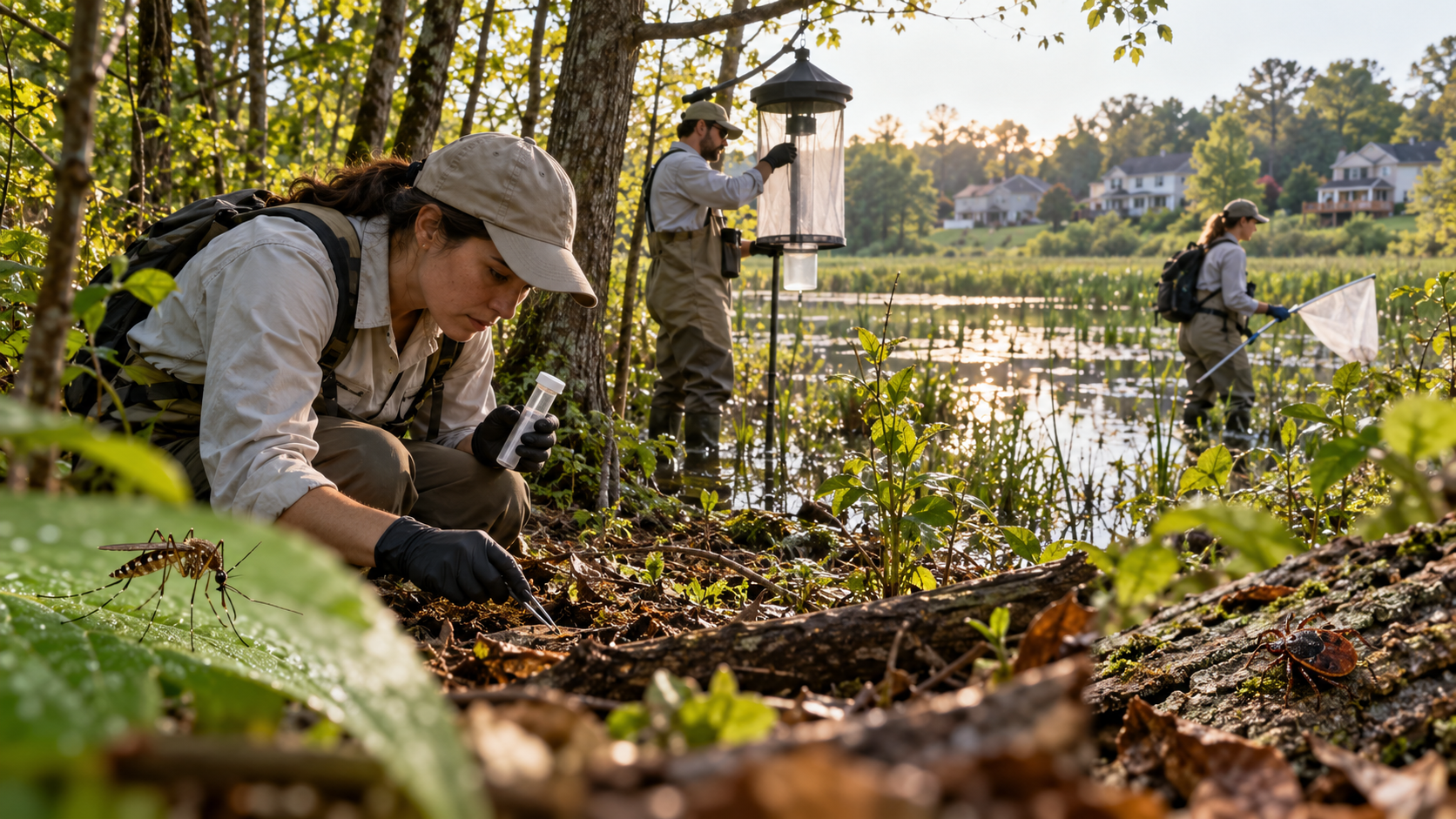
Vector-borne diseases explained: see how mosquitoes, ticks, and other carriers transmit pathogens and why risk changes by place and season.
Quarantine and isolation explained: learn how separating exposed people differs from separating people who are infected or ill.
One Health explained: understand why human, animal, plant, and environmental health are addressed together through cross-sector collaboration.
Contact tracing explained: see how public health teams identify exposures, notify contacts, and interrupt chains of infectious disease transmission.