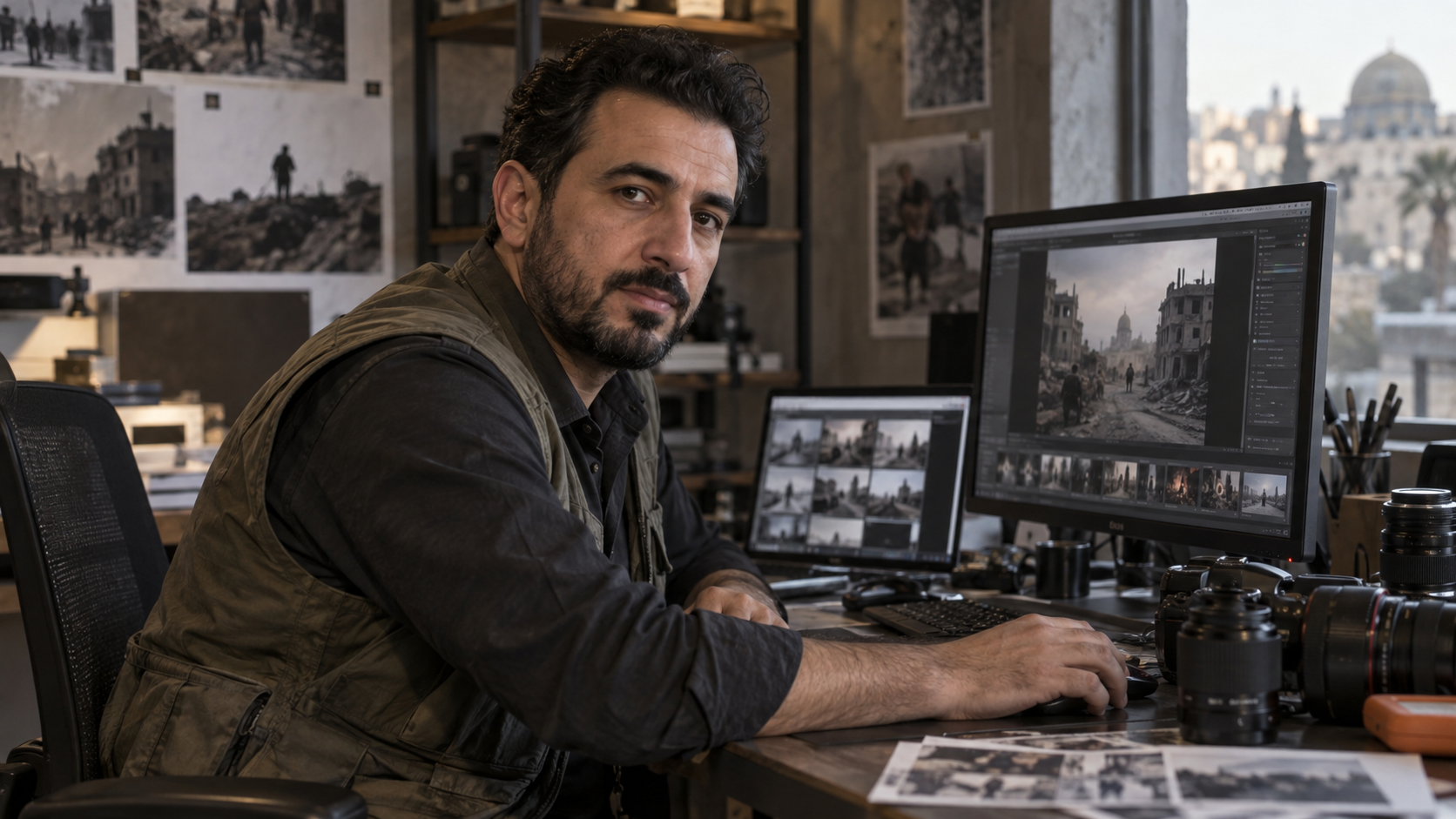
Bilal Hussein, 2008
Bilal Hussein on witnessing and personal cost, the public value of verified reporting, and the newsroom practices that keep consequential facts in view.

Don't Just Read it – Explore It
Bilal Hussein on witnessing and personal cost, the public value of verified reporting, and the newsroom practices that keep consequential facts in view.
Eynulla Fatullayev on freedom as the condition for truth, the public value of verified reporting, and the newsroom practices that keep consequential facts in view.
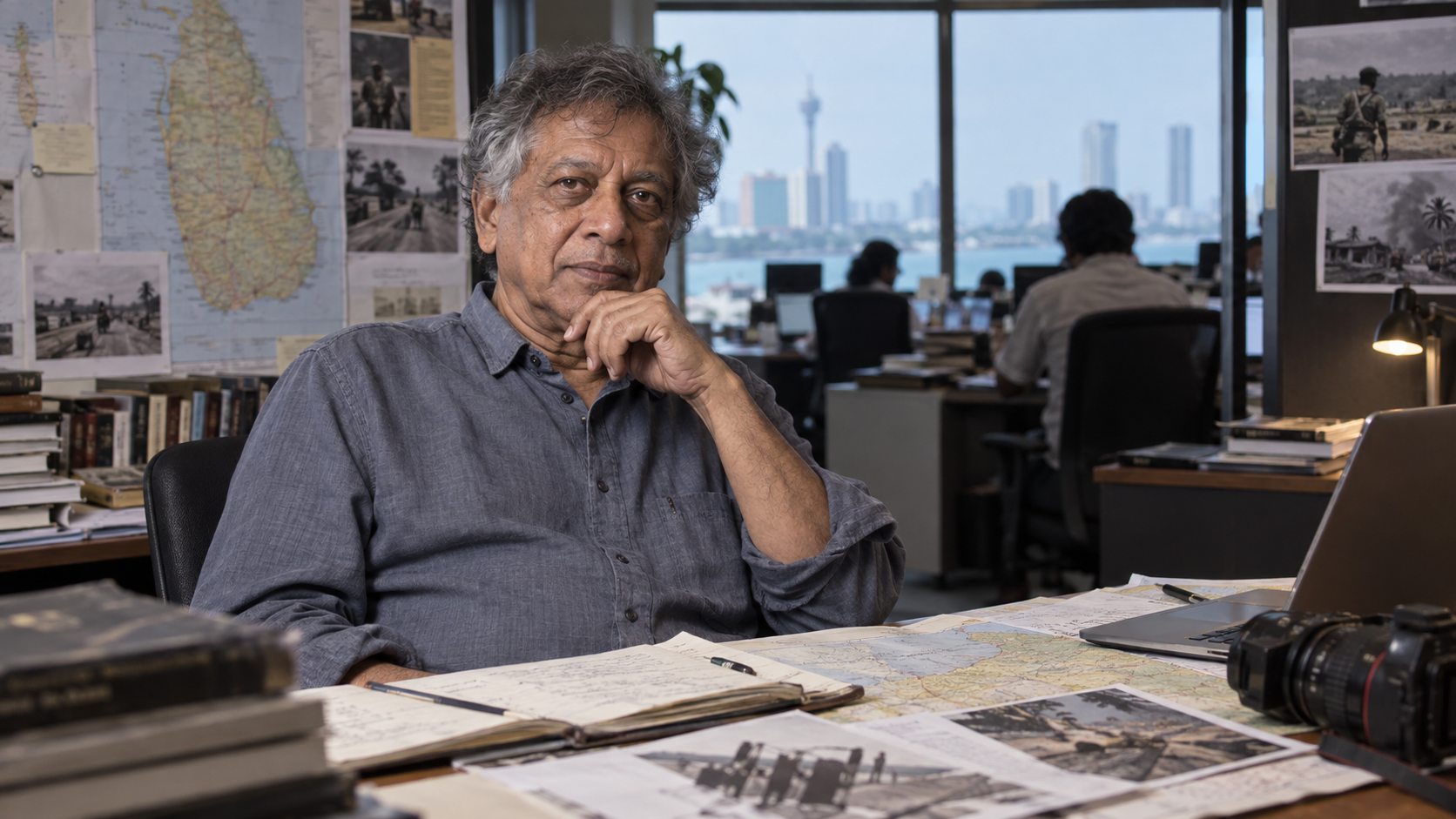
J. S. Tissainayagam on the boundary between reporting and violence, the public value of verified reporting, and the newsroom practices that keep consequential facts in view.
Mustafa Haji Abdinur on mentorship under fire, the public value of verified reporting, and the newsroom practices that keep consequential facts in view.
Naziha Réjiba rejects exceptional labels and asks that independent reporting be understood as ordinary professional work that deserves ordinary protections.
Laureano Márquez warns that fear spreads beyond the place where repression begins when institutions choose quiet accommodation over principled response.
Natalya Radina asks international audiences to sustain attention on Belarus when repression makes independent reporting dangerous and easy to overlook.
Umar Cheema argues that fear should inform a journalist’s preparation without deciding which matters the public is allowed to understand.
Nadira Isayeva calls indifference and silence unacceptable when violence, impunity, and pressure prevent a region’s residents from being heard.
Dawit Kebede explains why reproducing official claims without scrutiny abandons journalism’s duty to examine power and preserve an independent record.
Mansoor al-Jamri describes truthful, credible coverage as the newsroom’s essential duty after violence, shutdowns, and political pressure.
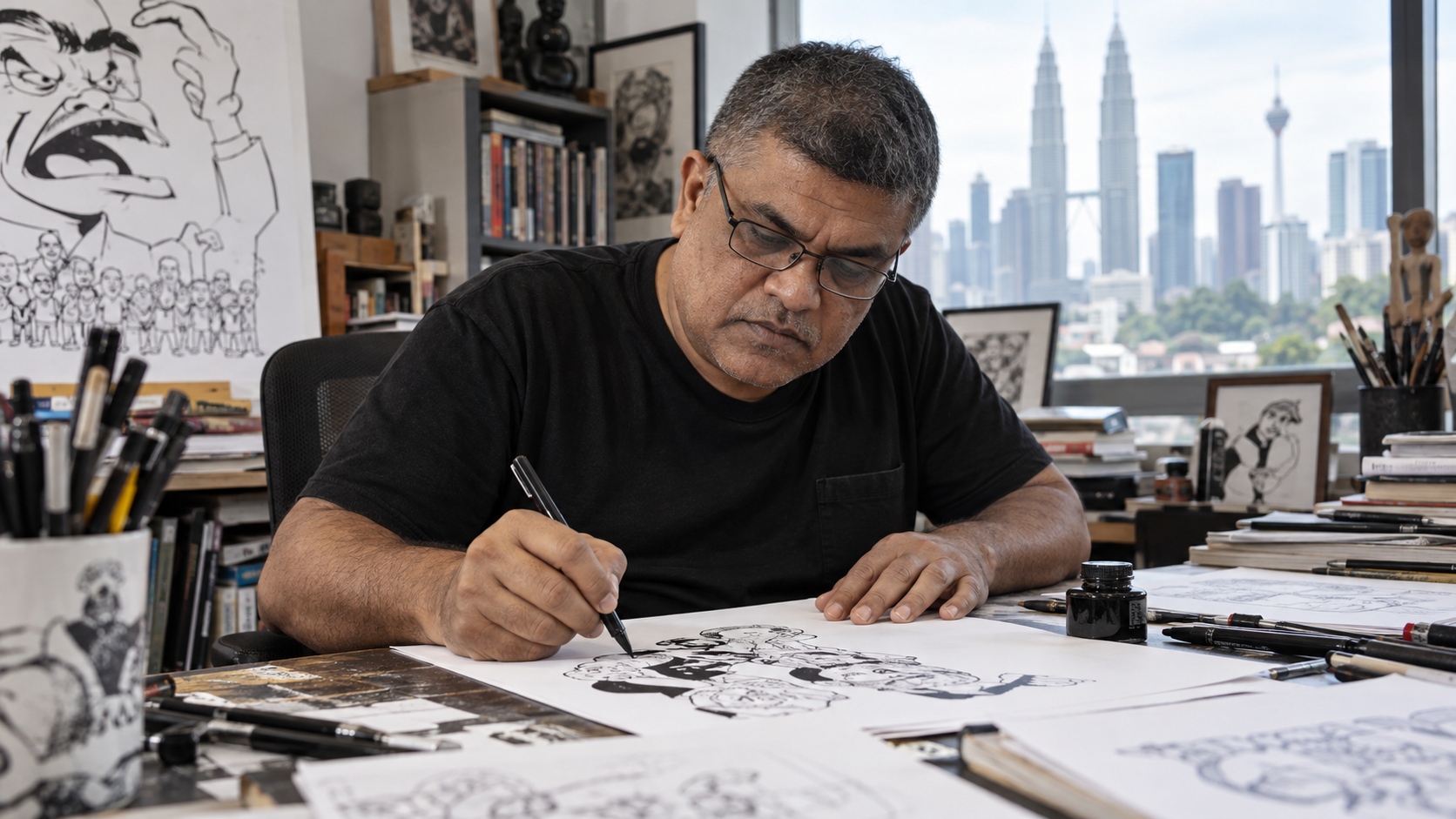
Malaysian cartoonist Zunar separates the government’s power to seize publications from its inability to extinguish independent thought and creative dissent.