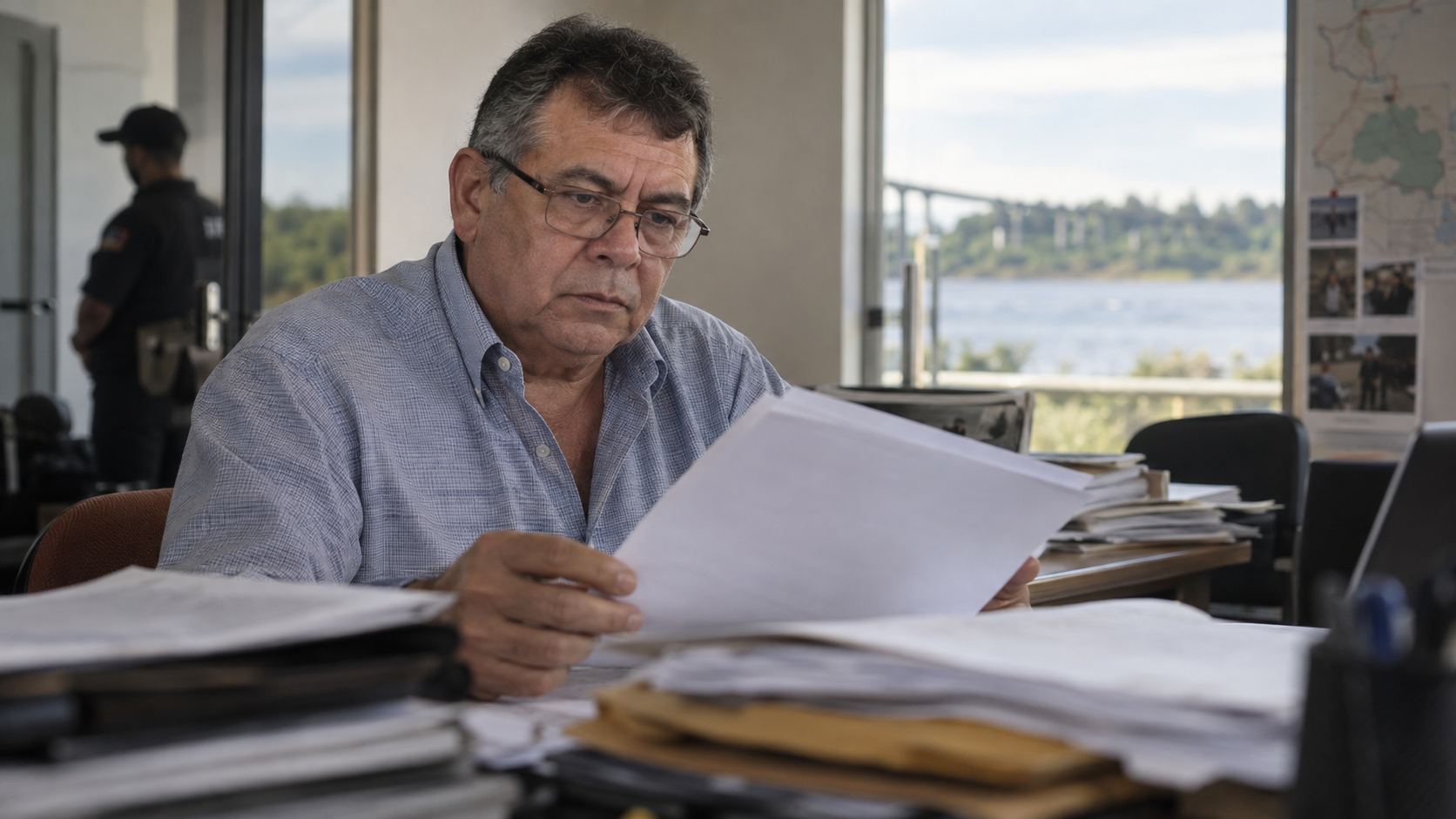
Cándido Figueredo Ruíz, 2015
Cándido Figueredo Ruíz defines investigative reporting on organized crime as a continuing public duty rather than a pursuit of recognition.

Don't Just Read it – Explore It
Cándido Figueredo Ruíz defines investigative reporting on organized crime as a continuing public duty rather than a pursuit of recognition.
Dhondup Wangchen describes information controls and surveillance as a form of collective confinement that separates Tibetans from the wider public record.
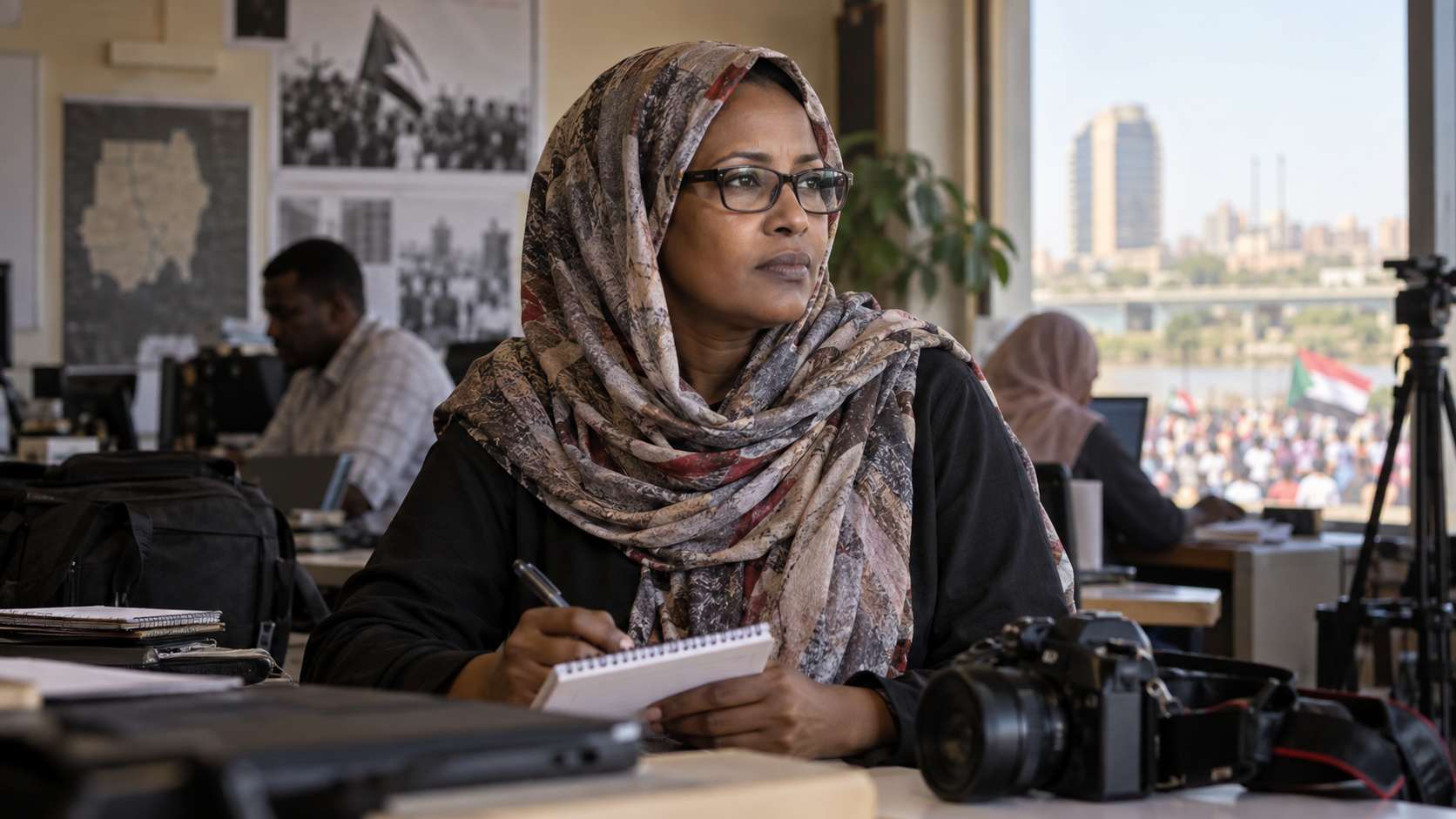
Amal Habbani describes Sudanese reporters as front-line witnesses whose work exposes abuses that censorship is designed to hide.
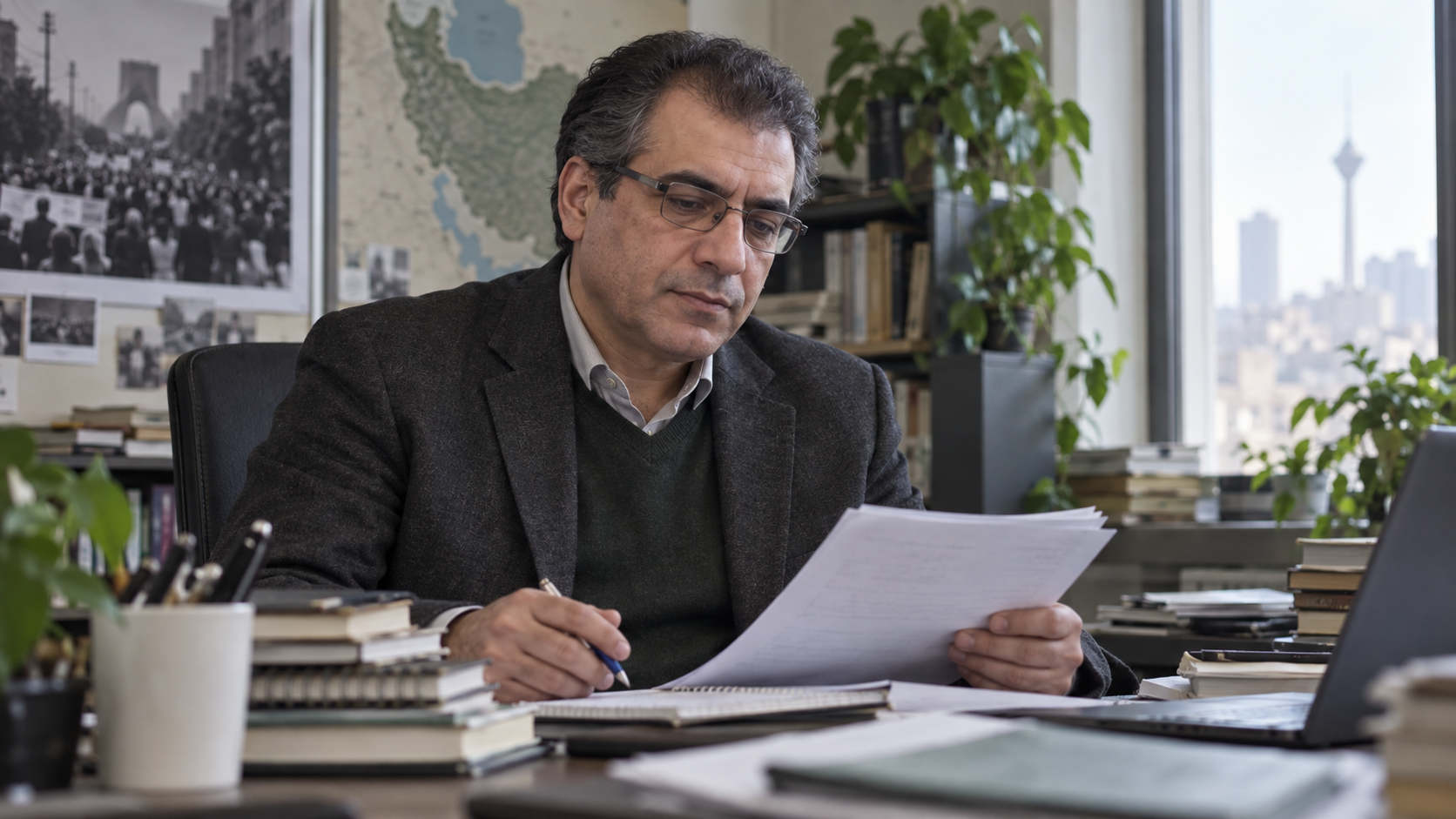
Siamak Ghaderi explains how governments facing a crisis of legitimacy may recast independent reporting as hostility instead of answering evidence and criticism.
Svetlana Prokopyeva argues that free expression is the practical foundation citizens need to identify, debate, and challenge violations of every other right.
Dapo Olorunyomi presents press freedom as essential infrastructure that lets citizens evaluate power, debate choices, and make democratic accountability possible.
Sevgil Musaieva describes truth as a vulnerable public record that endures through reporting, preservation, courage, and sustained collective defense.
Shahidul Alam warns that attacks on journalism cross borders and require practical solidarity, durable institutions, and public defense of independent reporting.
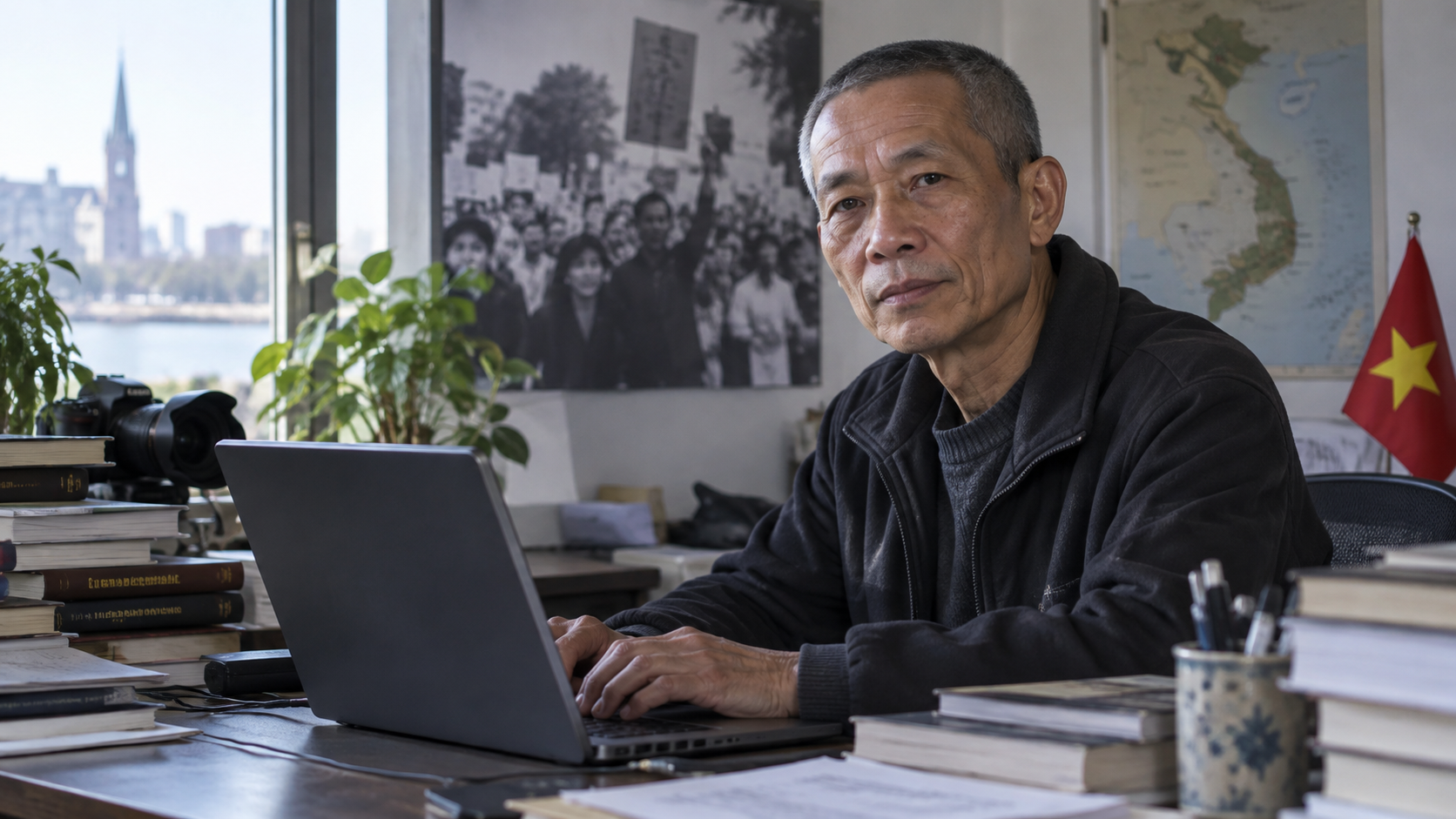
Nguyen Van Hai turns personal release from prison into a commitment to journalists and bloggers who remain detained for peaceful expression.
Mauri König describes moral outrage as the force that keeps investigative journalists examining abuse despite intimidation and physical danger.
Bassem Youssef rejects the idea that free expression is permission granted by a government, broadcaster, platform, or political majority.
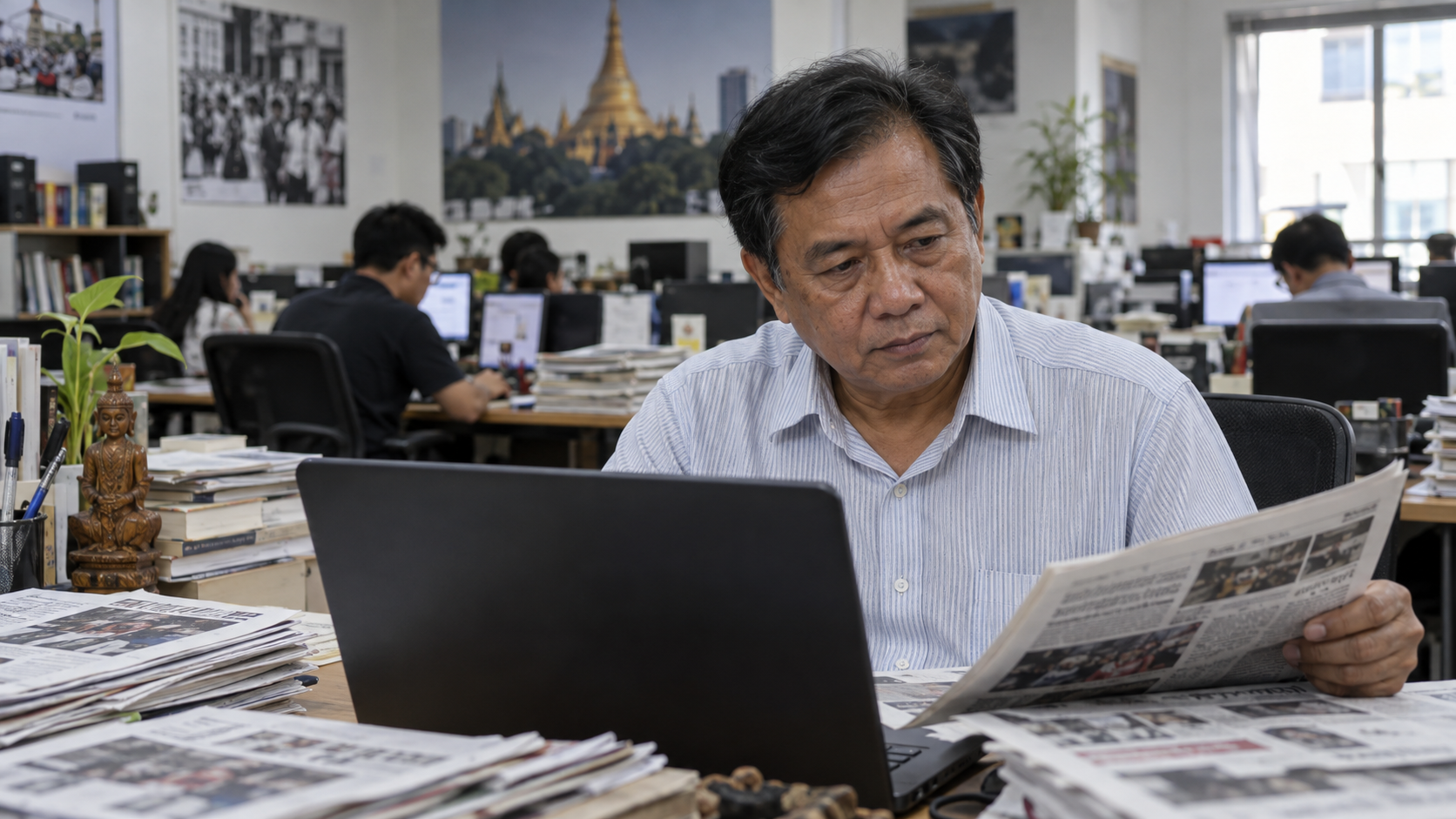
Aung Zaw defines independent journalism as a continuing alliance with press freedom, democracy, and justice during an uncertain political transition.