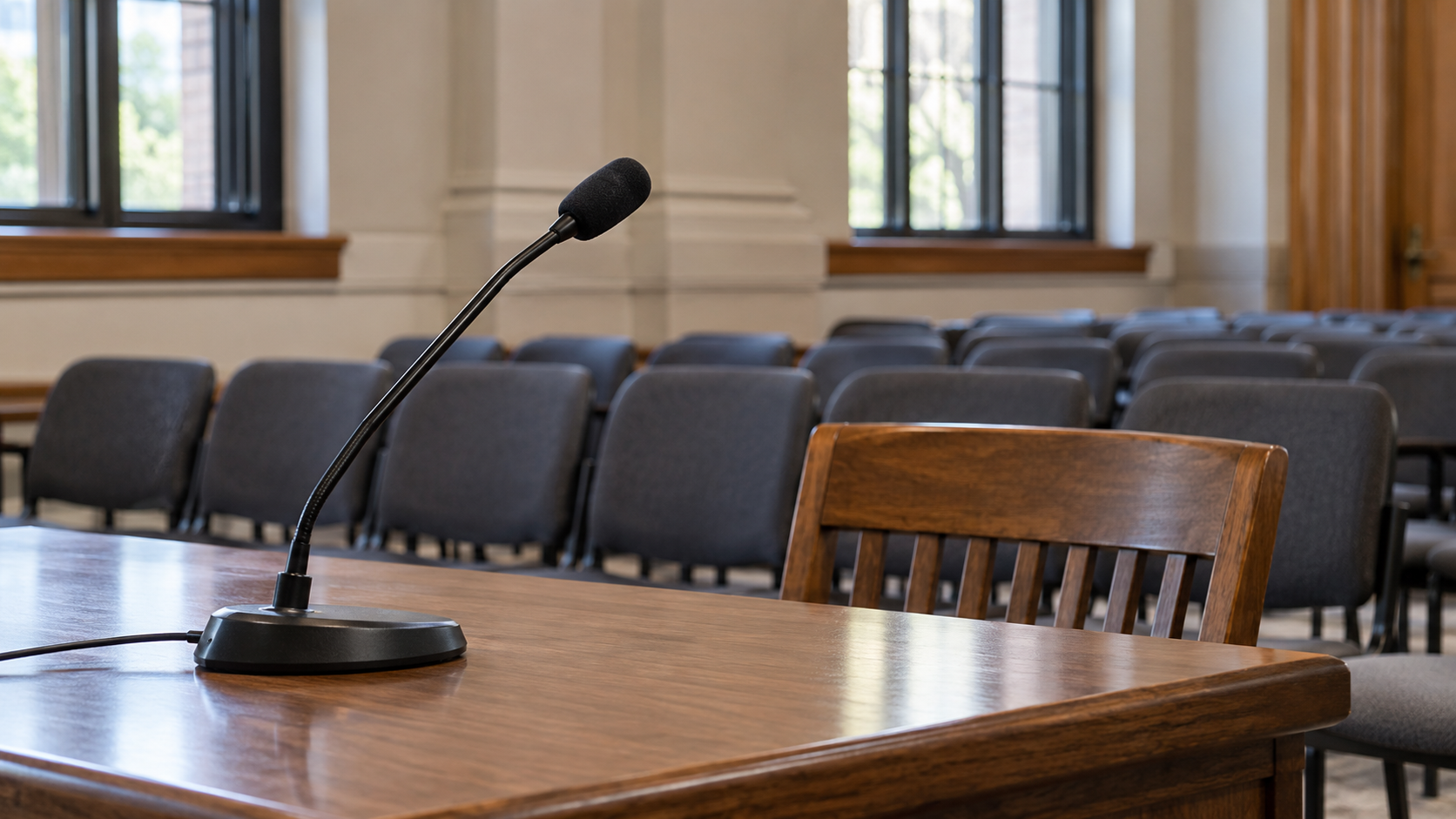
Public Hearings
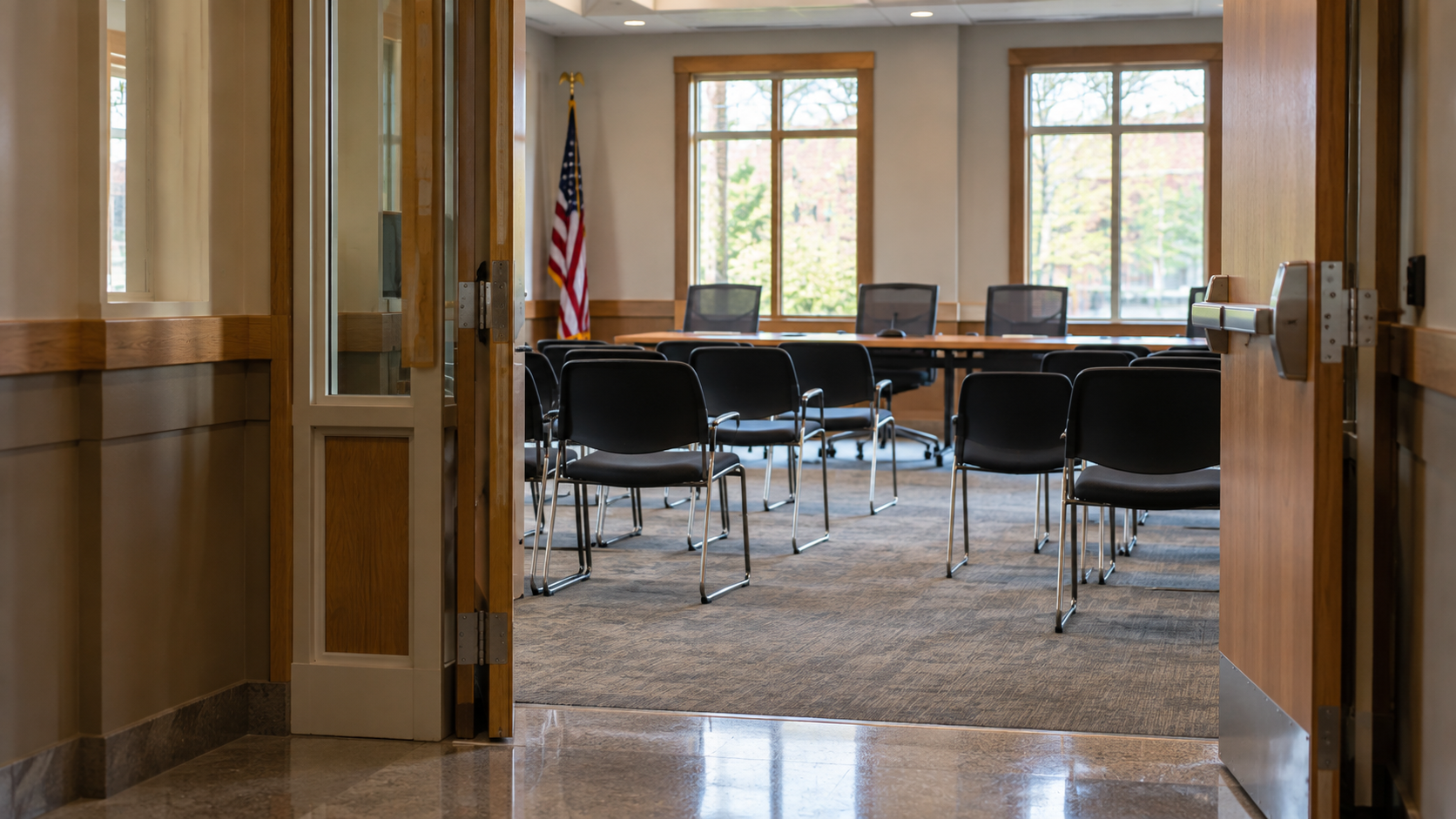
Public hearings give people a structured opportunity to present views or evidence before a public decision.

Don't Just Read it – Explore It
Public hearings give people a structured opportunity to present views or evidence before a public decision.
Open meeting laws establish public-access requirements for the business of covered government bodies.
Public-sector ombudsmen independently examine complaints about government administration.
An unfunded mandate requires action without providing enough funding to cover the required cost.
Fiscal notes estimate how proposed legislation would affect government revenue, spending, and implementation.
Sunset clauses make a law, authority, or institution expire unless the required action continues it.
Regulatory impact analysis examines the expected effects of a rule and alternative ways to address a problem.
Notice-and-comment rulemaking gives the public an opportunity to respond to proposed agency regulations.
A consent decree is a negotiated resolution entered as an enforceable court order.
Class actions allow representative parties to pursue specified claims on behalf of a defined group.
A federal grand jury examines evidence to decide whether probable cause supports criminal charges.
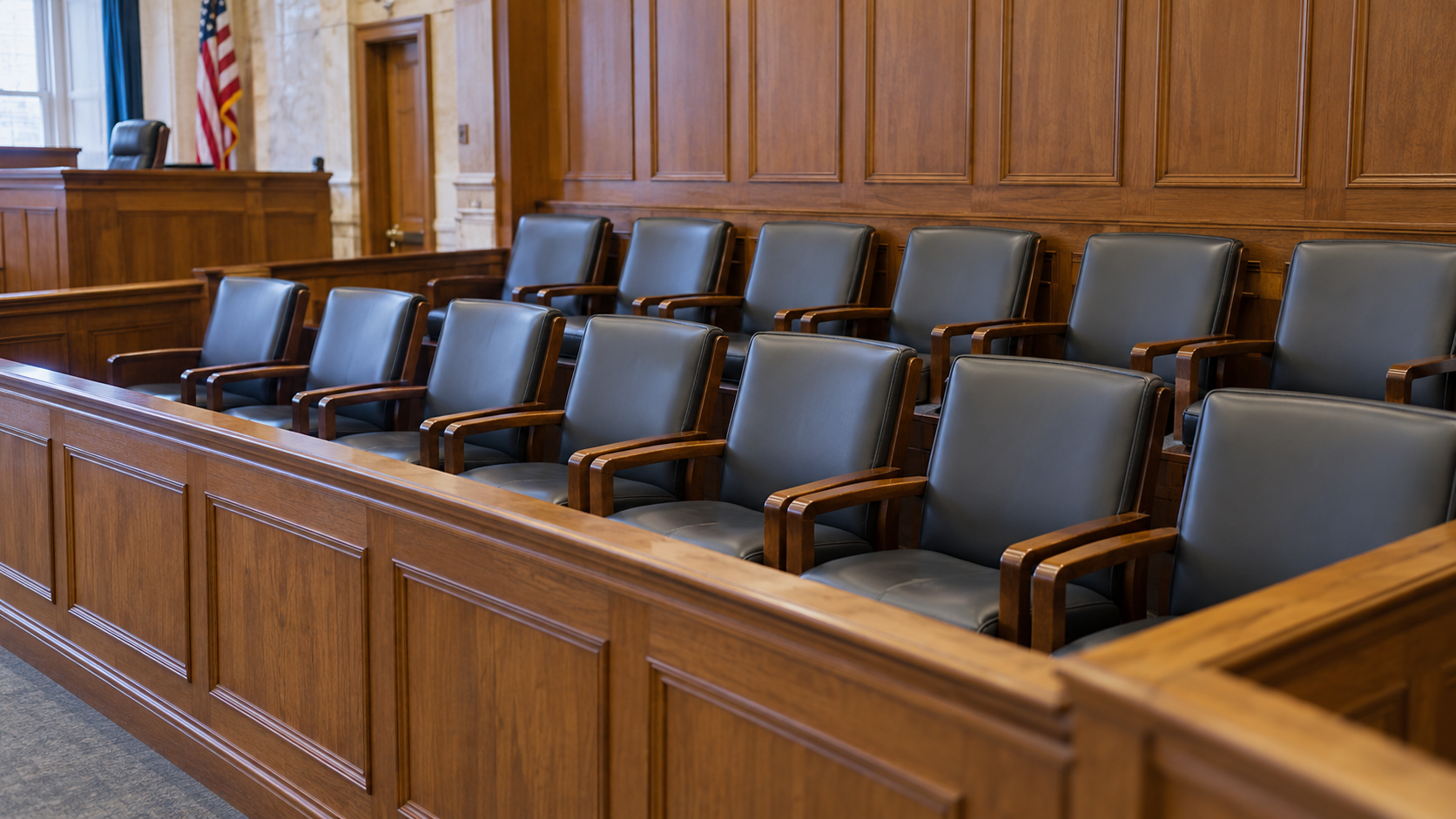
Jury selection combines a community-based pool with procedures intended to seat impartial jurors for a particular trial.