Plea Bargaining
Plea bargaining involves an agreement concerning a defendant’s plea and the prosecution’s commitments in a criminal case.

Don't Just Read it – Explore It
Plea bargaining involves an agreement concerning a defendant’s plea and the prosecution’s commitments in a criminal case.
Qualified immunity can protect government officials from civil damages when the governing legal standard is not met.
Civil contempt seeks compliance or compensation, while criminal contempt punishes completed misconduct against a court’s authority.
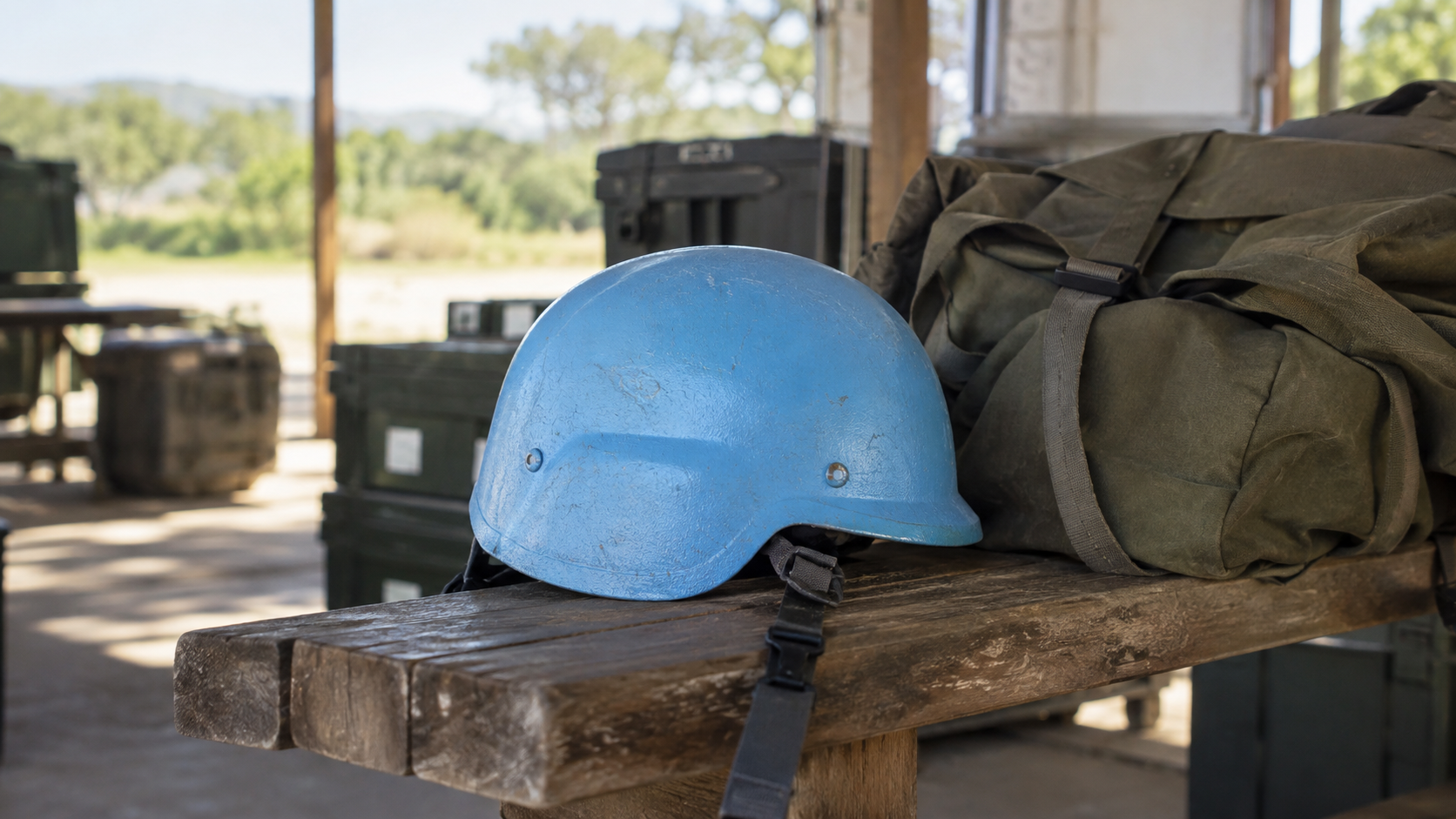
UN peacekeeping supports peace processes through missions with defined mandates and international personnel.
The International Criminal Court investigates and tries individuals for specified grave international crimes within its jurisdiction.
International humanitarian law sets limits on how armed conflicts are fought and protects people who are not taking part in hostilities.
Refugee status identifies people who meet legal protection criteria after crossing an international border and being unable to return safely.
Non-refoulement limits transfers to places where a person would face persecution, torture, or other prohibited harm under the applicable law.
The asylum process assesses a request for international protection through procedures that vary across national and international systems.
Diplomatic mediation uses a third party to help disputing parties negotiate, while the parties retain responsibility for an agreement.
Consular assistance connects eligible nationals abroad with practical support, subject to host-country law and the services a government provides.
Habeas corpus gives a detained person a way to ask a court whether the government has legal authority to hold them.