Congressional Oversight
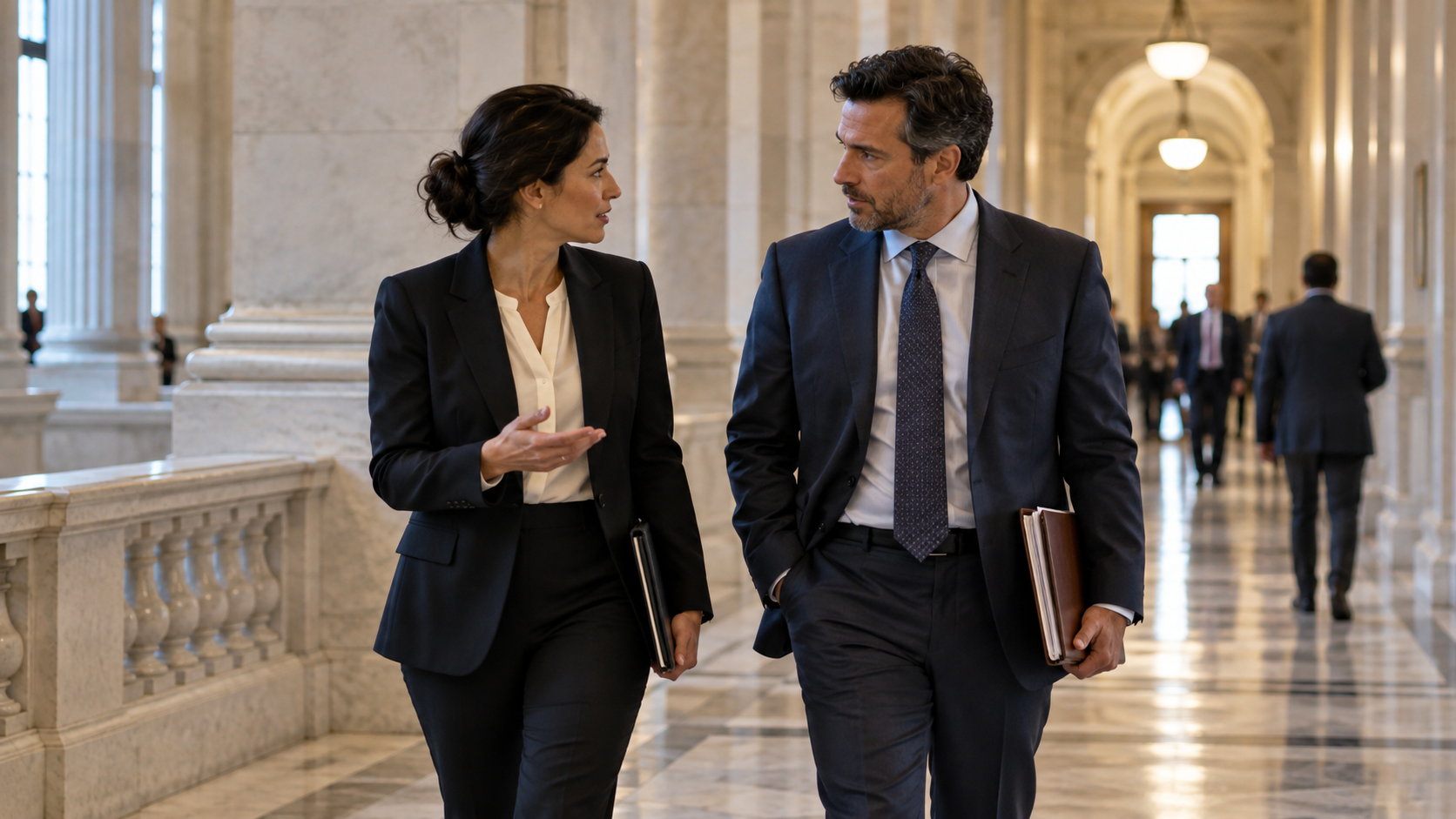
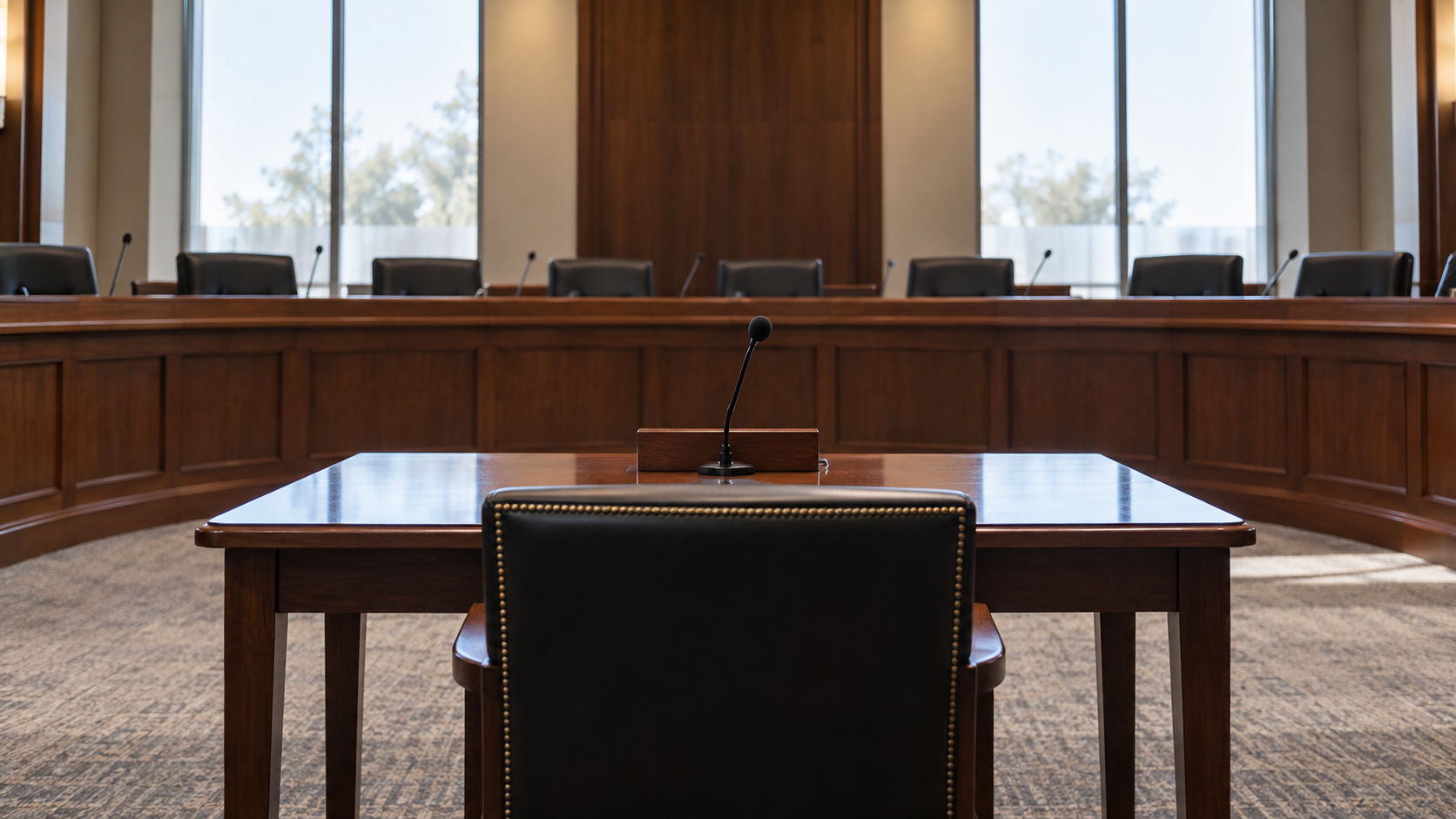
Congressional oversight examines government performance and conduct to inform legislation, funding decisions, and public accountability.

Don't Just Read it – Explore It
Congressional oversight examines government performance and conduct to inform legislation, funding decisions, and public accountability.
Lobbying seeks to influence policy through advocacy, with disclosure and ethics rules addressing transparency, access, and improper conduct.
The civil service provides continuing government administration, with merit principles balancing professional competence, fair treatment, and accountability.
U.S. war powers divide military responsibilities between Congress and the president, with recurring disputes over authorizations and deployment limits.
Treaties create international obligations, with U.S. approval shared between the president and Senate and domestic implementation sometimes requiring legislation.
Senate confirmation provides legislative review of many presidential nominations before the appointment process can be completed.
Discharge petitions let a House majority seek floor consideration outside normal committee gatekeeping, subject to signatures, timing, and additional votes.
Budget reconciliation provides a special route for certain fiscal legislation, with Senate rules limiting debate and excluding extraneous provisions.
Impeachment brings constitutional charges against an official, while a separate Senate trial determines conviction and removal.
Presidential succession combines constitutional and statutory rules for permanent vacancies, temporary inability, and continuity of executive authority.
A quorum is the minimum presence a body needs to conduct business, separate from the voting threshold for a particular decision.
Congressional committees specialize in policy areas, examine evidence, revise proposals, and recommend action to the House or Senate.