Conference Committees
Conference committees negotiate a common legislative text when the House and Senate have passed different versions of a measure.

Don't Just Read it – Explore It
Conference committees negotiate a common legislative text when the House and Senate have passed different versions of a measure.
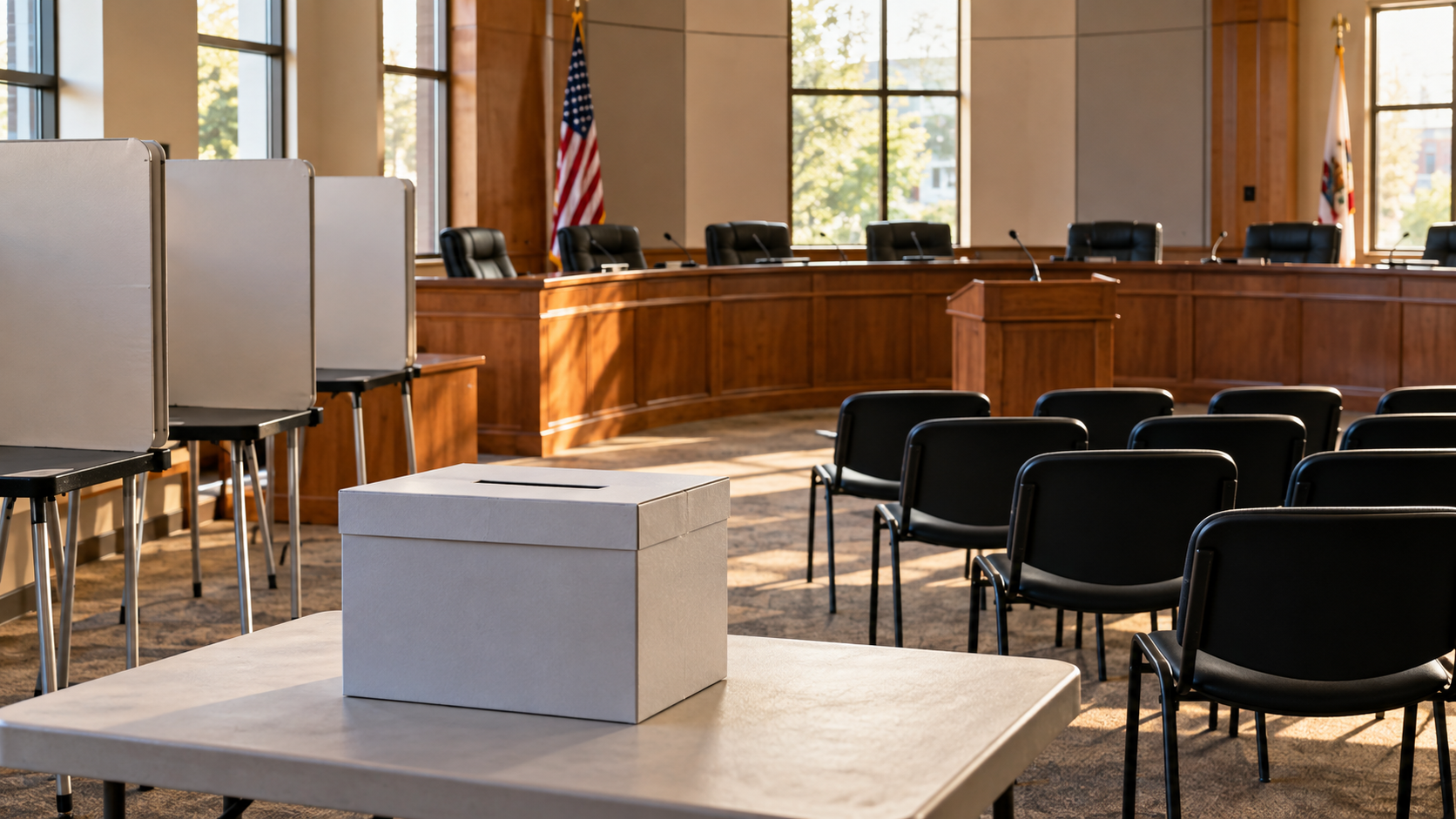
Ranked-choice voting counts ordered candidate preferences through successive rounds, with the outcome shaped by local rules and remaining active ballots.
Runoff elections use an additional contest to choose a winner when the first election fails to satisfy the required threshold.
Ballot initiatives let citizens propose policy changes for a public vote, subject to petition requirements, election rules, and constitutional limits.
Recall elections allow voters in eligible jurisdictions to decide whether an elected official should leave office before the next regular election.
Primary elections help select candidates for a later election, with participation and nomination rules that vary by state and party.
The Electoral College selects the U.S. president through state-appointed electors, with a majority required to win the presidency.
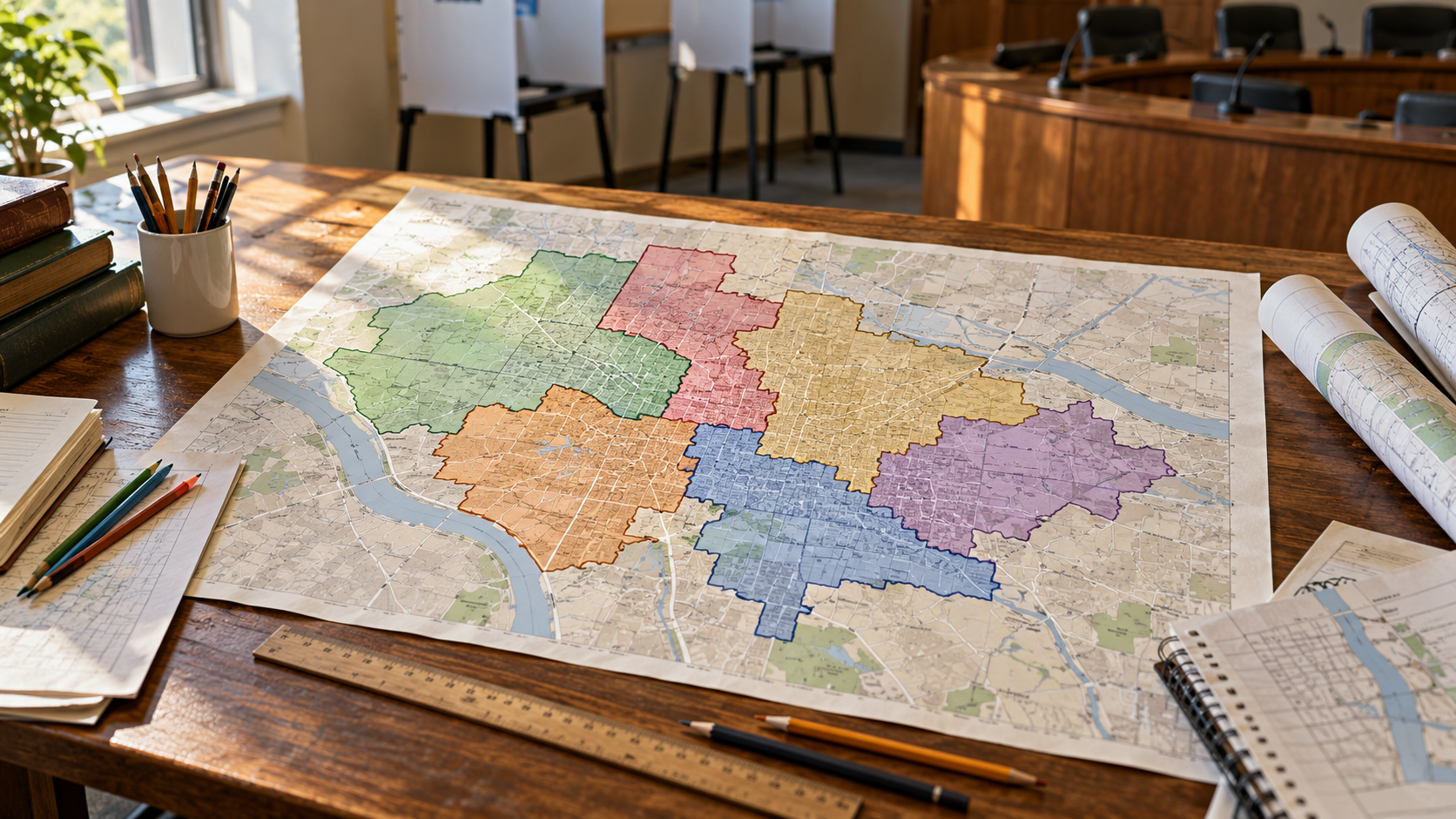
Redistricting redraws electoral boundaries to reflect population changes while balancing legal requirements and community representation.
Presidential vetoes allow the president to reject legislation, while congressional overrides and constitutional deadlines limit that power.
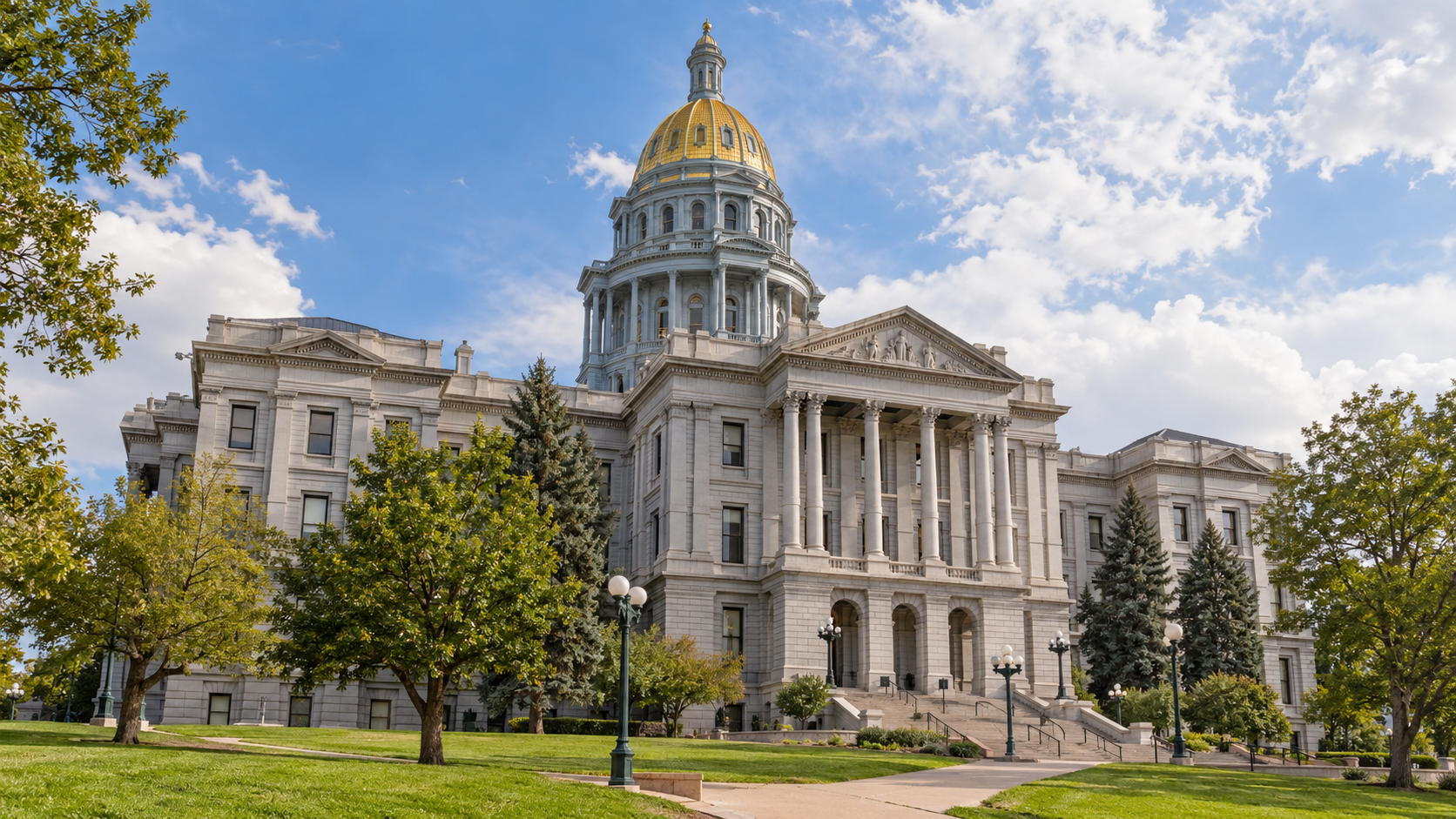
Federalism divides governing authority between the national government and the states, creating shared responsibilities and constitutional limits.
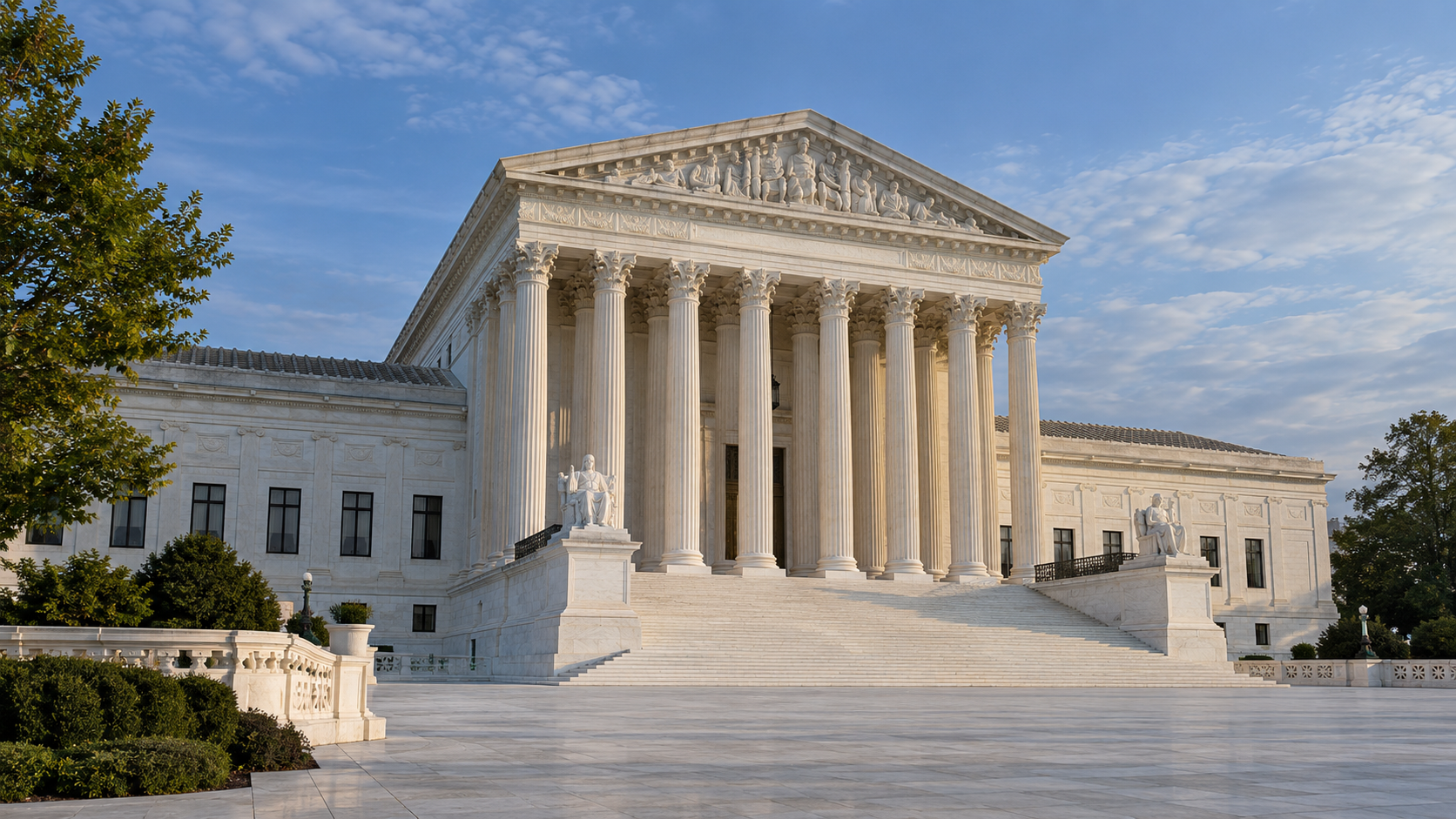
Judicial review allows courts to examine whether laws and government actions comply with the Constitution when deciding cases.
Capitalism is the dominant economic system in the United States, shaping how people work, spend, invest, and compete—and influencing nearly every political debate about growth, fairness, and public responsibility.