Cross-Platform Play
Cross-platform play lets people on different devices or gaming networks join the same experience through shared services and compatible versions.

Don't Just Read it – Explore It
Cross-platform play lets people on different devices or gaming networks join the same experience through shared services and compatible versions.
A live-service game is operated as an ongoing product, with teams maintaining shared systems and adding or changing experiences after release.
A garment tech pack is the evolving specification that turns a fashion design into measurable instructions for sampling and production.
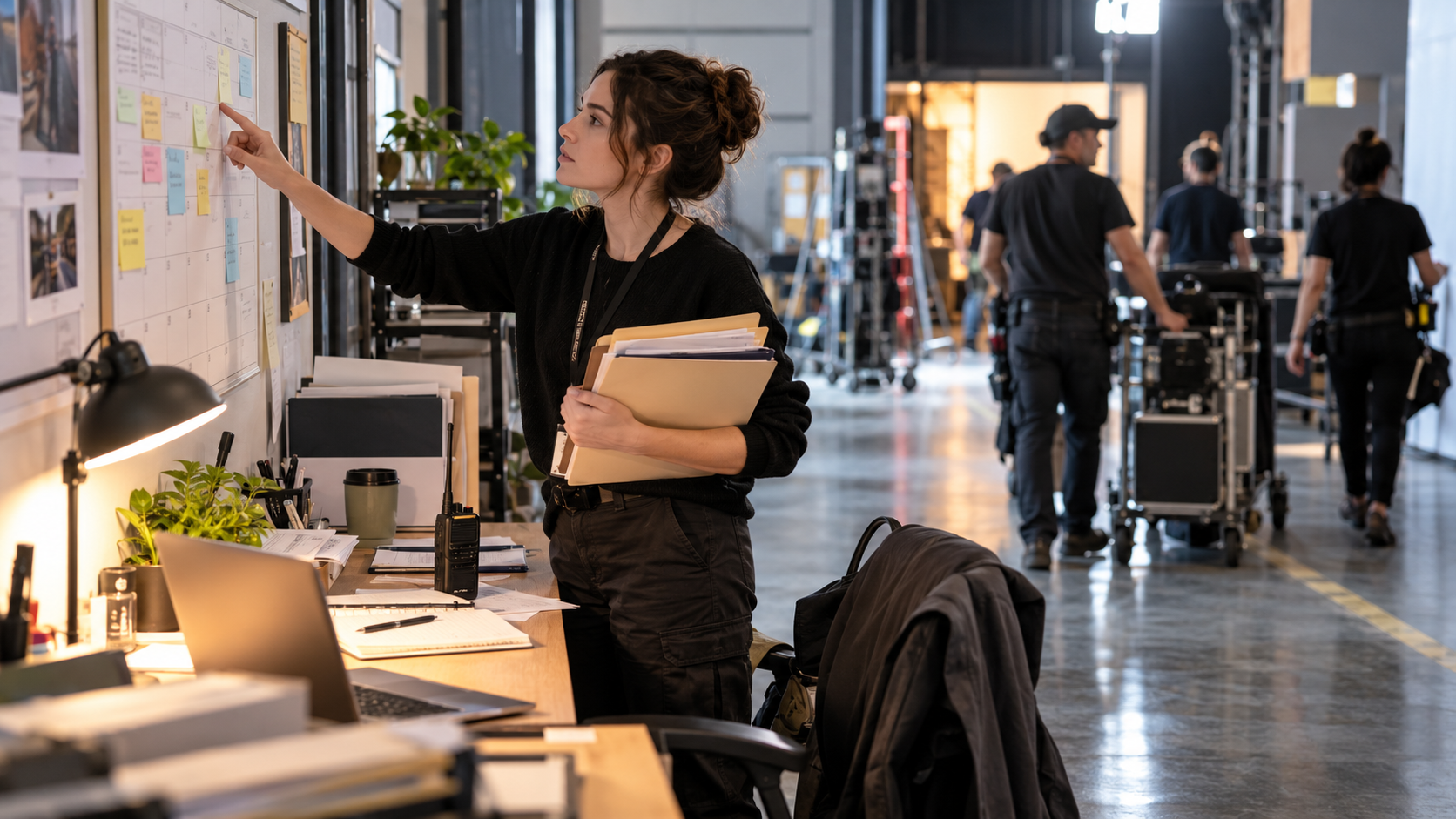
A production coordinator is an operations hub inside the production office. The role connects schedules, travel, paperwork, suppliers, cast and crew details, and departmental requests so that the plan approved by production management can become a workable day-to-day process.
Production accountants apply accounting practice to the unusual pace and temporary structure of film and television work. They track the approved budget against actual spending, organize payroll and supplier payments, and create reports that let producers see the project’s current financial position.
A prop master leads the department responsible for many movable objects handled or used by performers. Props can be bought, hired, fabricated, modified, duplicated, aged, repaired, and returned, all while matching the story, period, production design, and action described in the script.
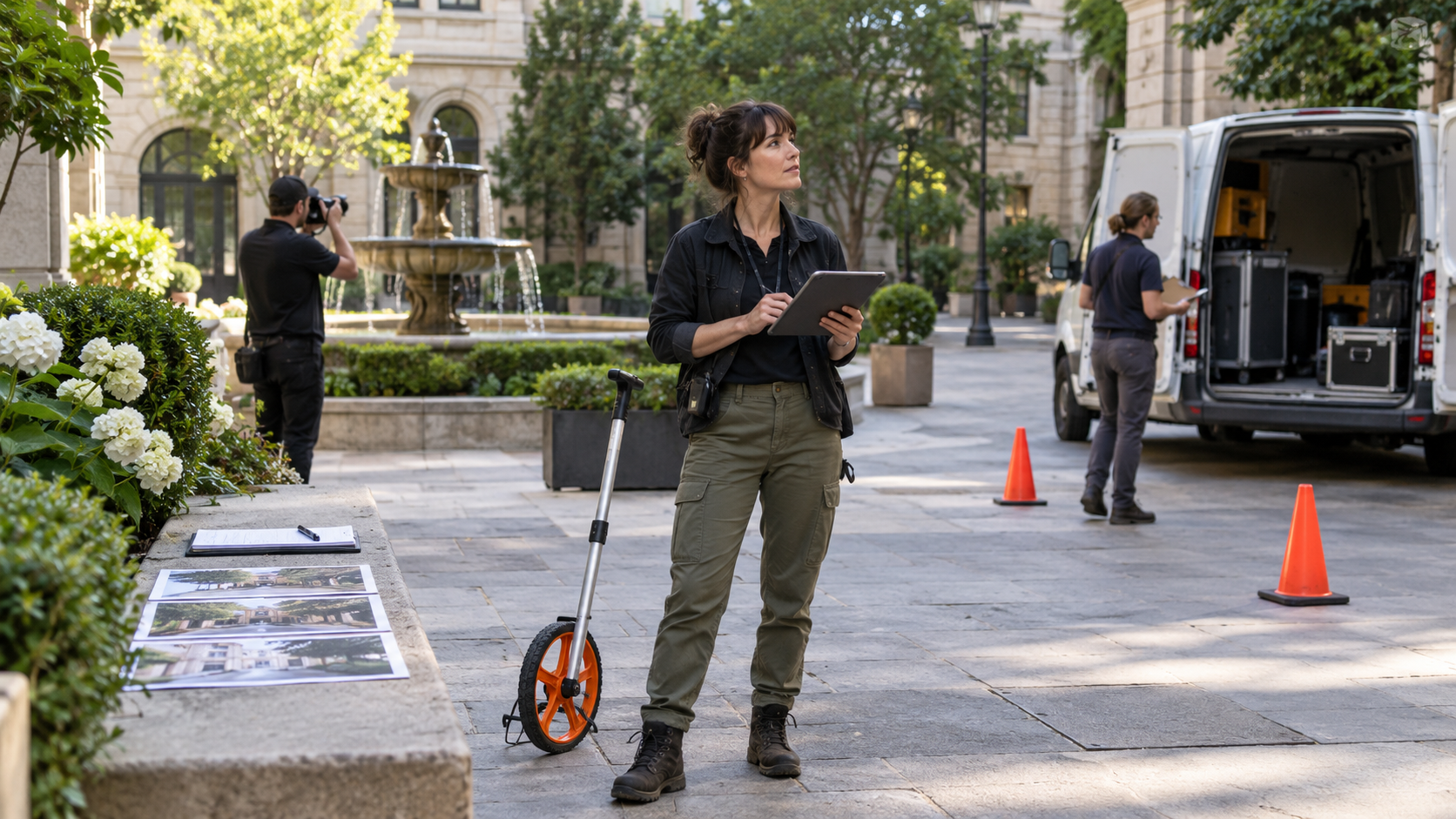
Location managers turn real places into workable filming environments. They identify spaces that fit the creative brief, investigate access and practical constraints, negotiate with owners, coordinate permits and neighbors, and plan how a crew can use the site without losing control of time, safety, or cost.
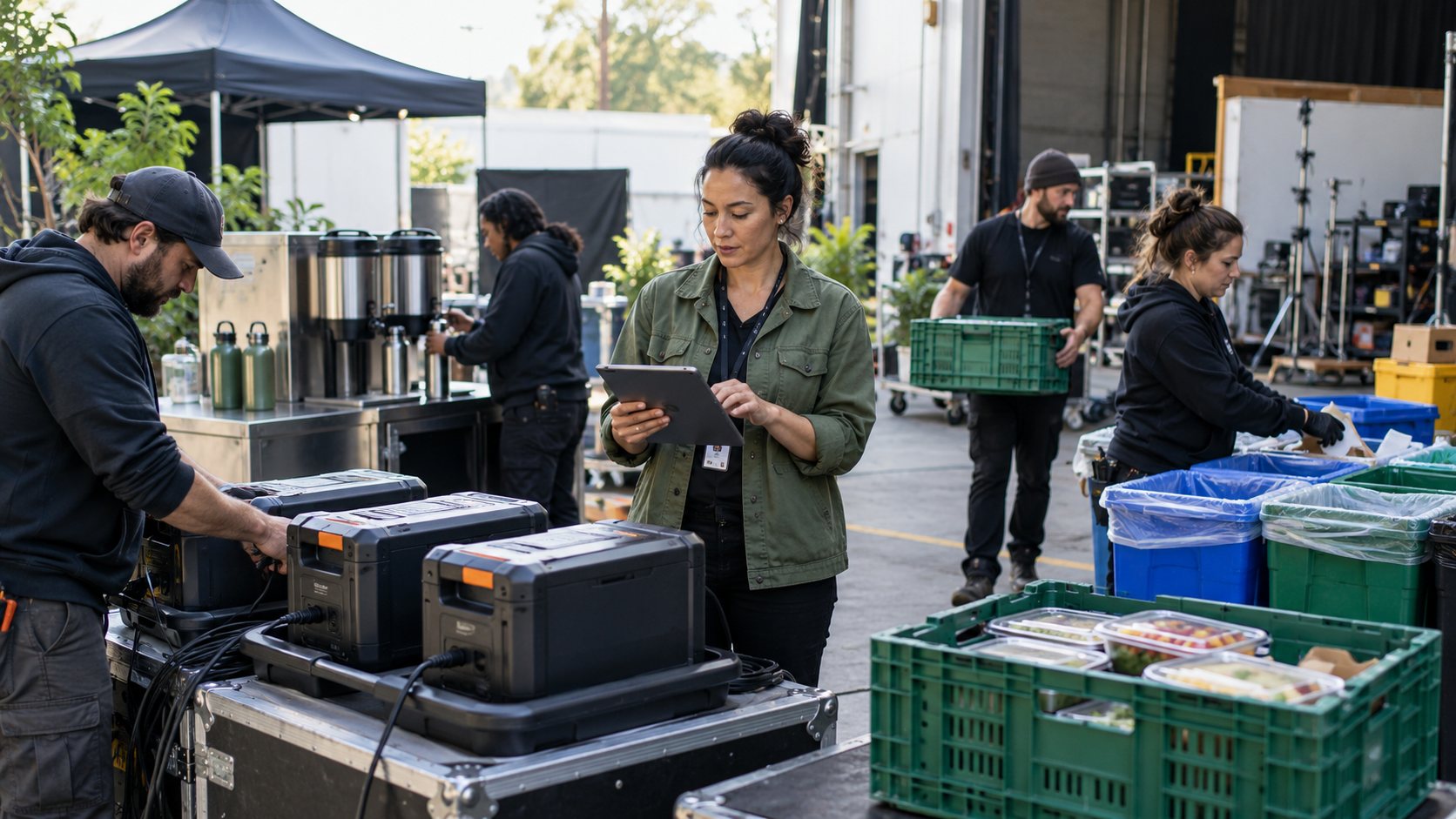
A film sustainability coordinator helps a production put its environmental plan into practice. The role connects carbon measurement with everyday choices about energy, travel, catering, materials, waste, water, suppliers, locations, and what happens to sets, costumes, and equipment after wrap.
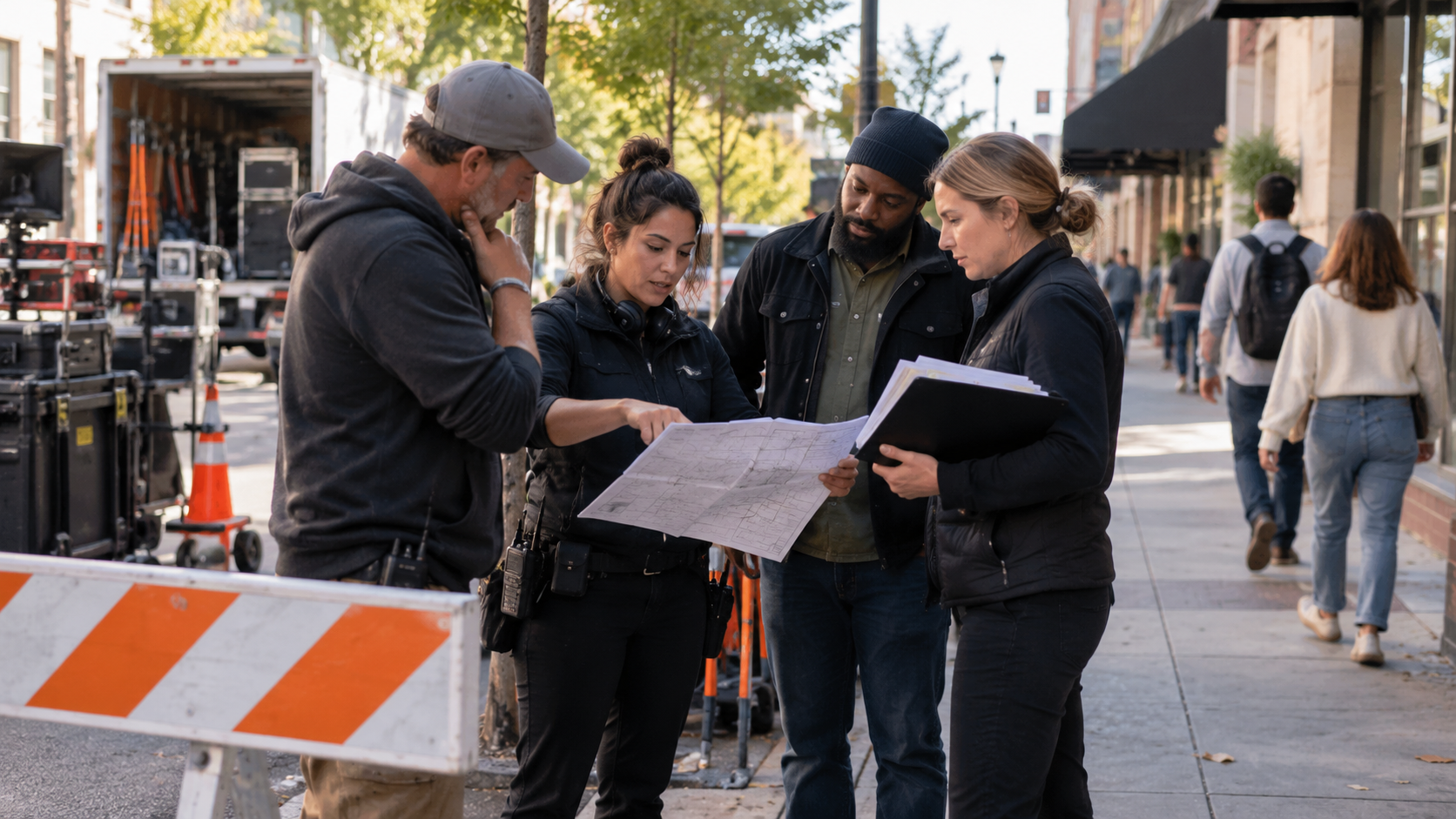
A film permit is an authorization from the public body or property authority responsible for a location or activity. It coordinates a shoot’s use of streets, parks, buildings, vehicles, equipment, public services, and temporary changes that may affect safety, access, traffic, or neighbors.
A post-production supervisor manages the practical path from captured material to approved deliverables. The role connects picture editing, sound, music, visual effects, color, titles, localization, legal clearances, storage, quality control, and delivery within the production’s budget and schedule.
Script coverage is a structured report prepared after reading a screenplay or teleplay. It commonly includes identifying details, a synopsis, comments on craft and market context, and a recommendation or rating used to help a company, competition, agency, or producer manage submissions.
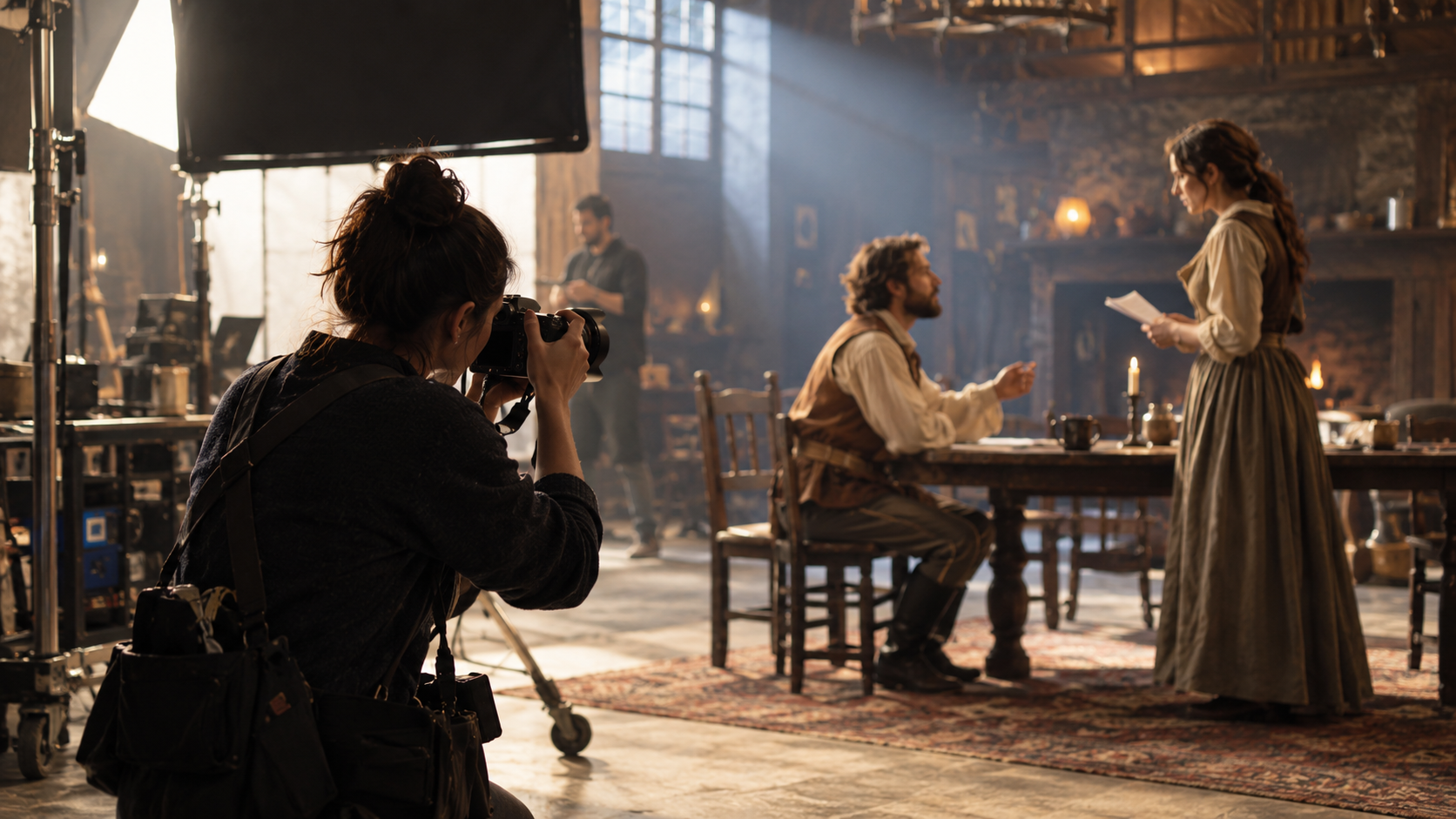
A unit still photographer creates high-quality photographs during film or television production. The images may support marketing, publicity, historical archives, gallery campaigns, art-department needs, continuity, and reference, even though the motion-picture camera is capturing the scene at the same time.