Unit Still Photographers
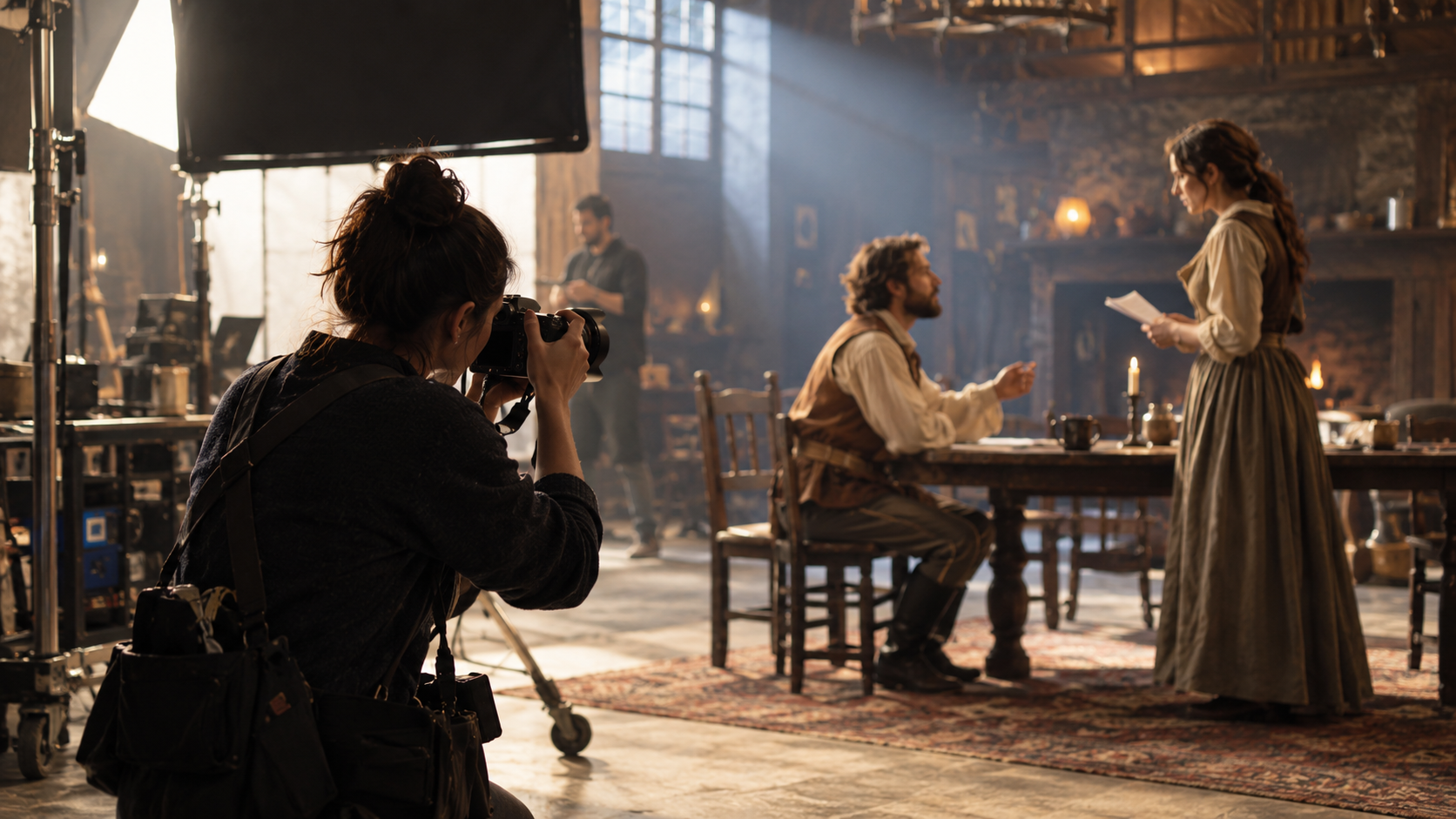
How unit still photographers create publicity, archive, gallery, and production-reference images on film and television sets.

Don't Just Read it – Explore It
How unit still photographers create publicity, archive, gallery, and production-reference images on film and television sets.
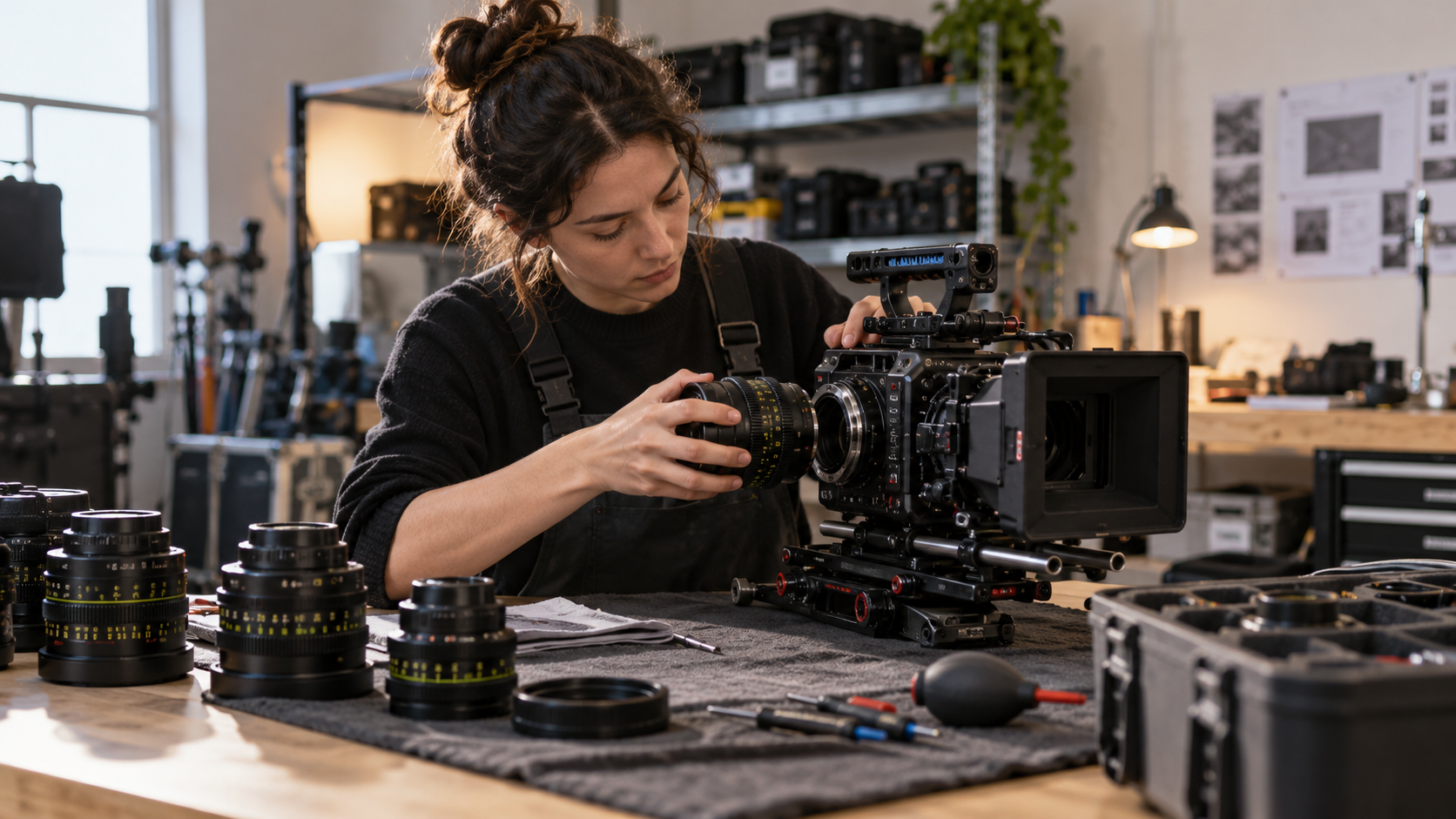
How camera assistants prepare, maintain, focus, slate, and document motion-picture camera systems during production.
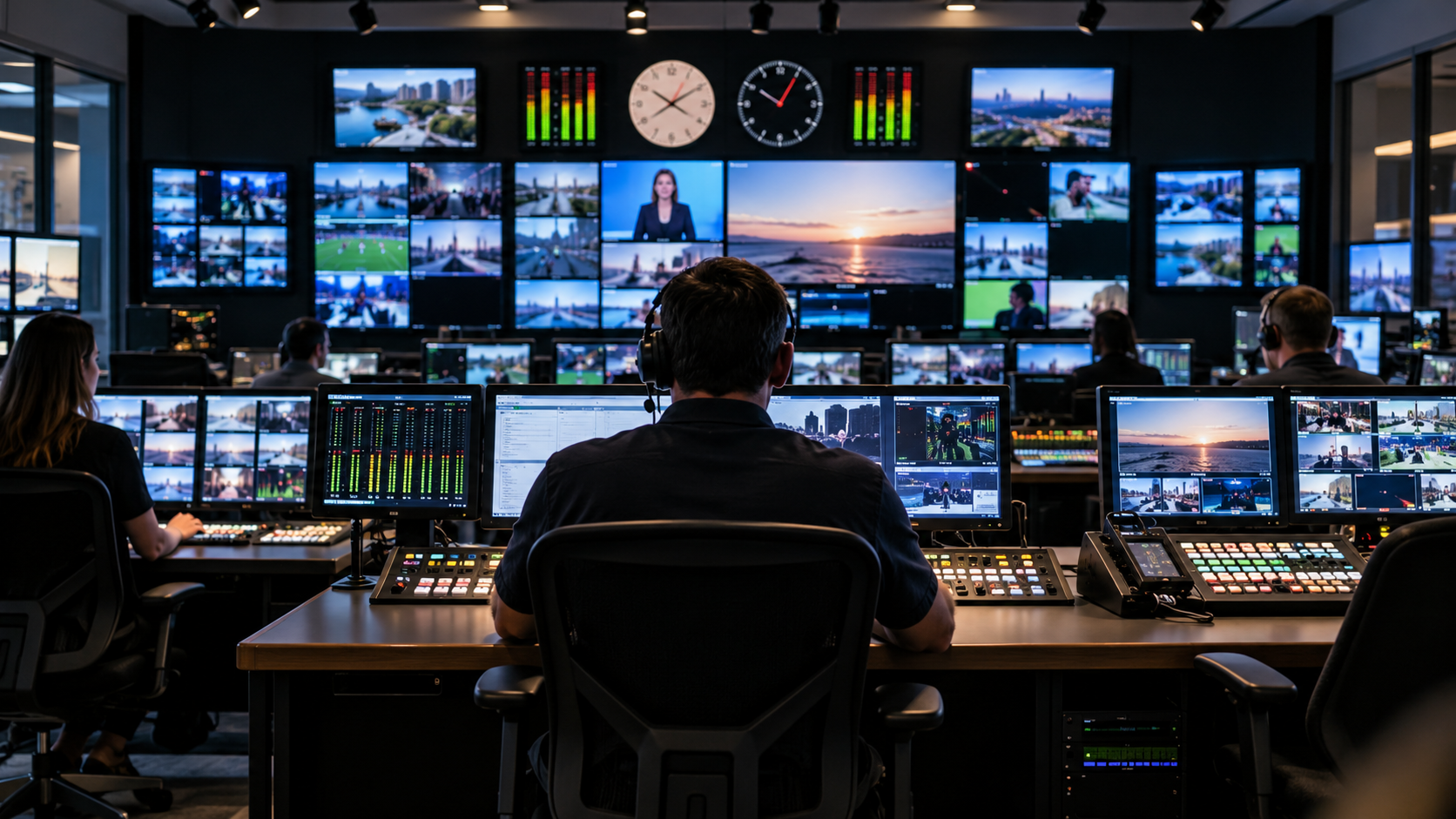
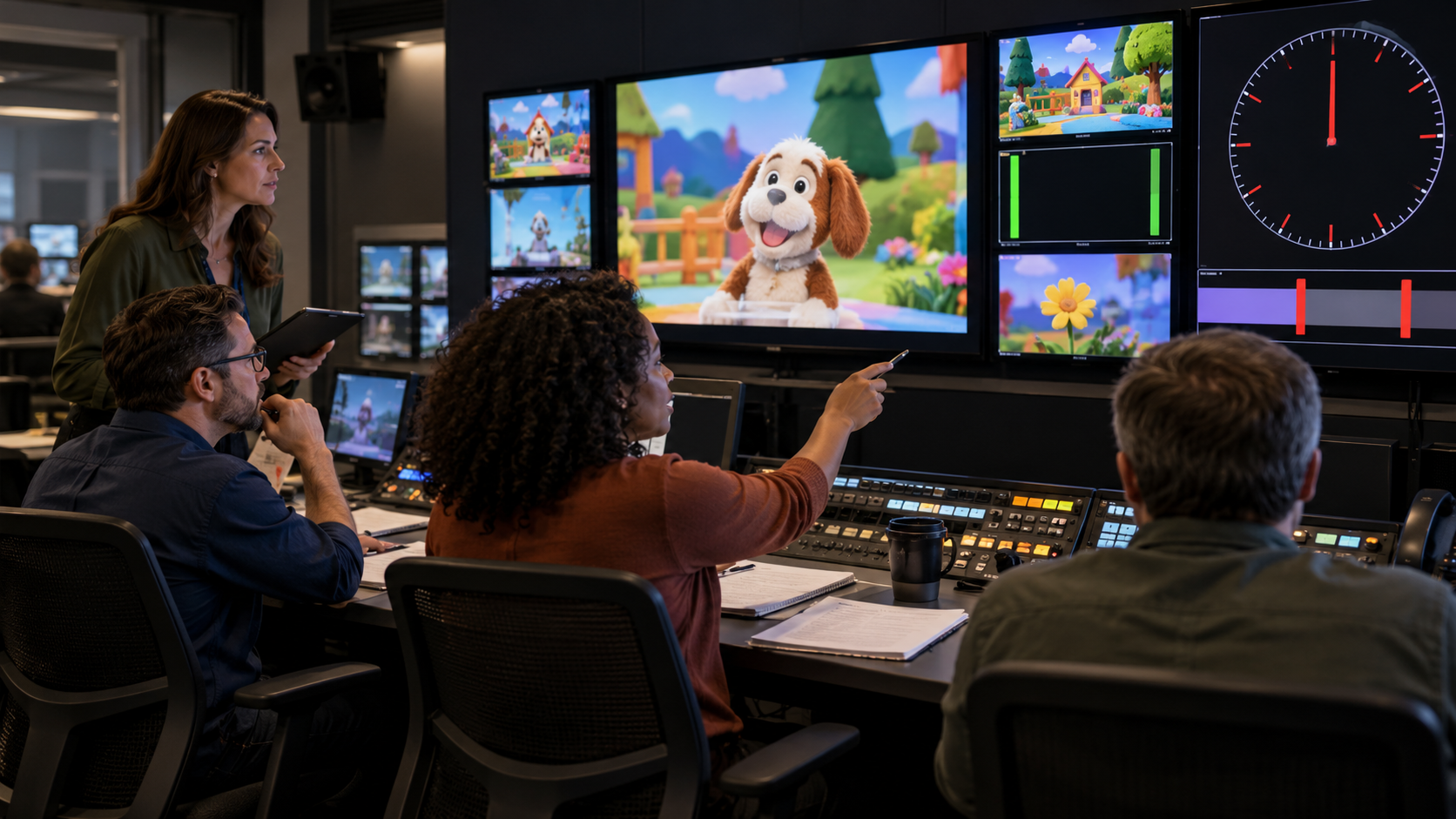
How broadcast master control monitors outgoing channels, switches sources, verifies compliance, and responds when transmission fails.
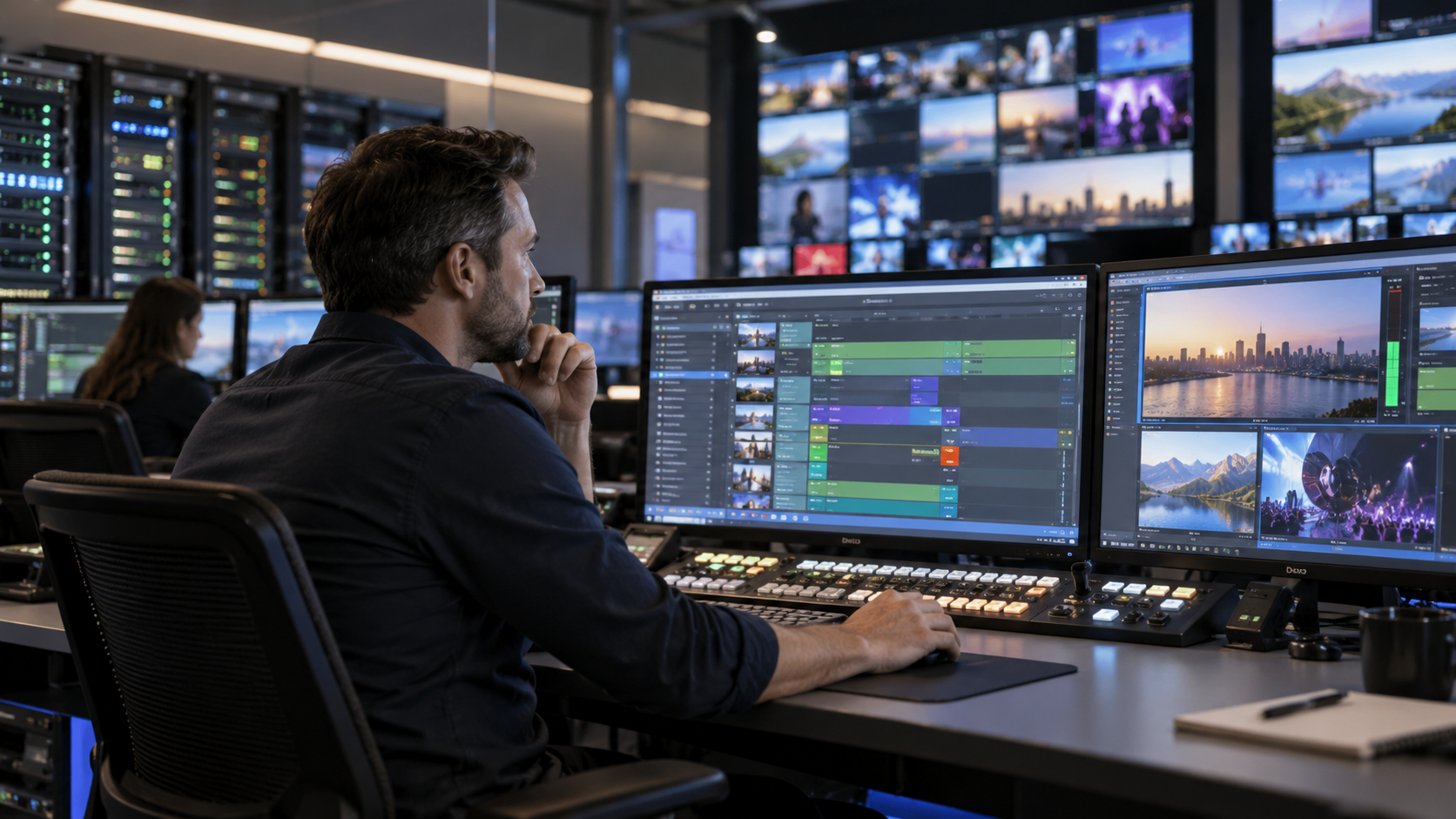
How playout automation turns schedules and media assets into continuous television channels while operators supervise exceptions.
How network-owned television stations differ from independently owned affiliates in ownership, local control, and programming.
How U.S. television stations and cable or satellite distributors negotiate permission to carry local broadcast signals.
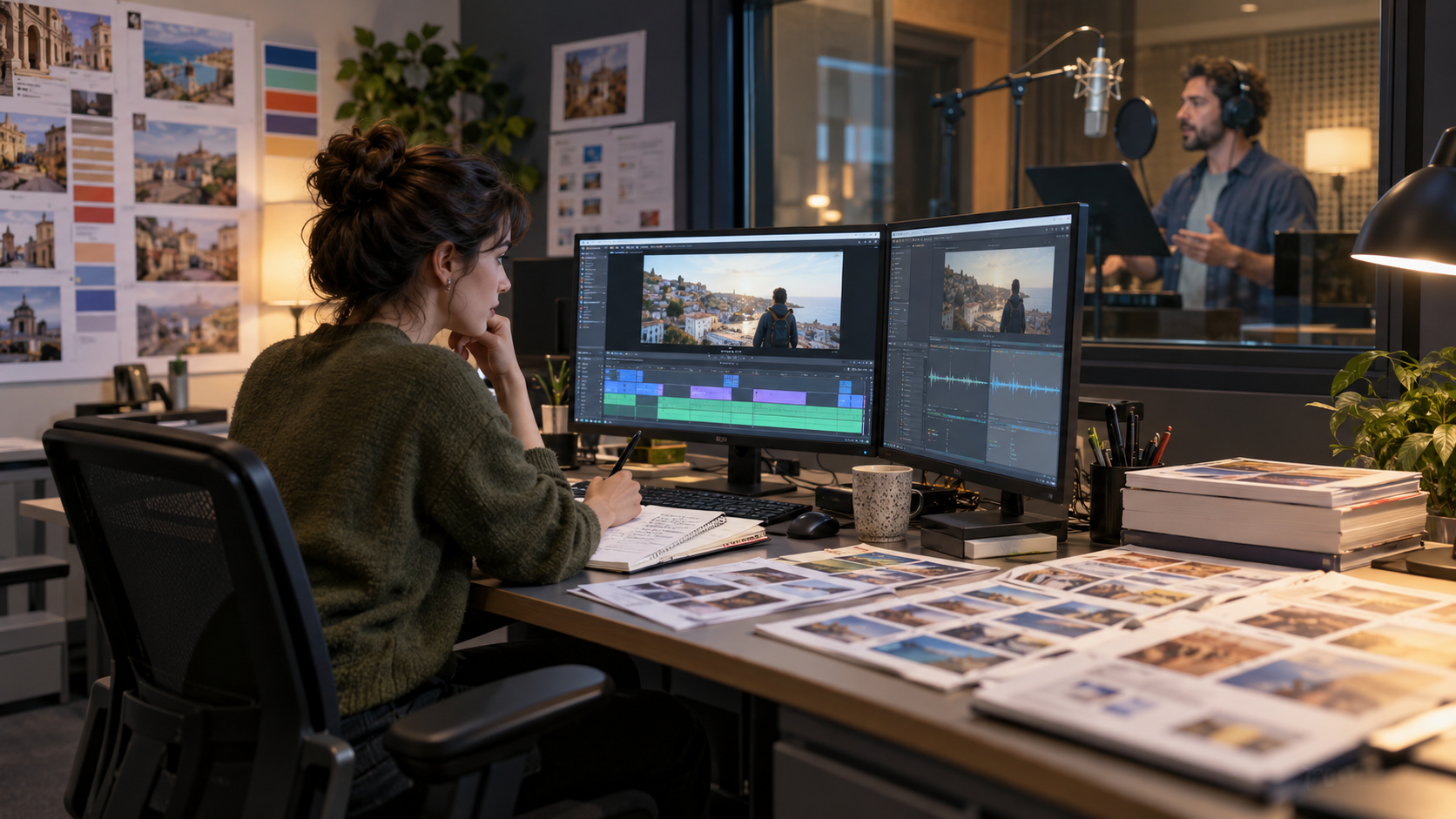
How television localization adapts dialogue, subtitles, dubbing, graphics, and cultural context for different languages and markets.
How U.S. children’s television rules address educational programming, commercial limits, reporting, and separation from advertising.
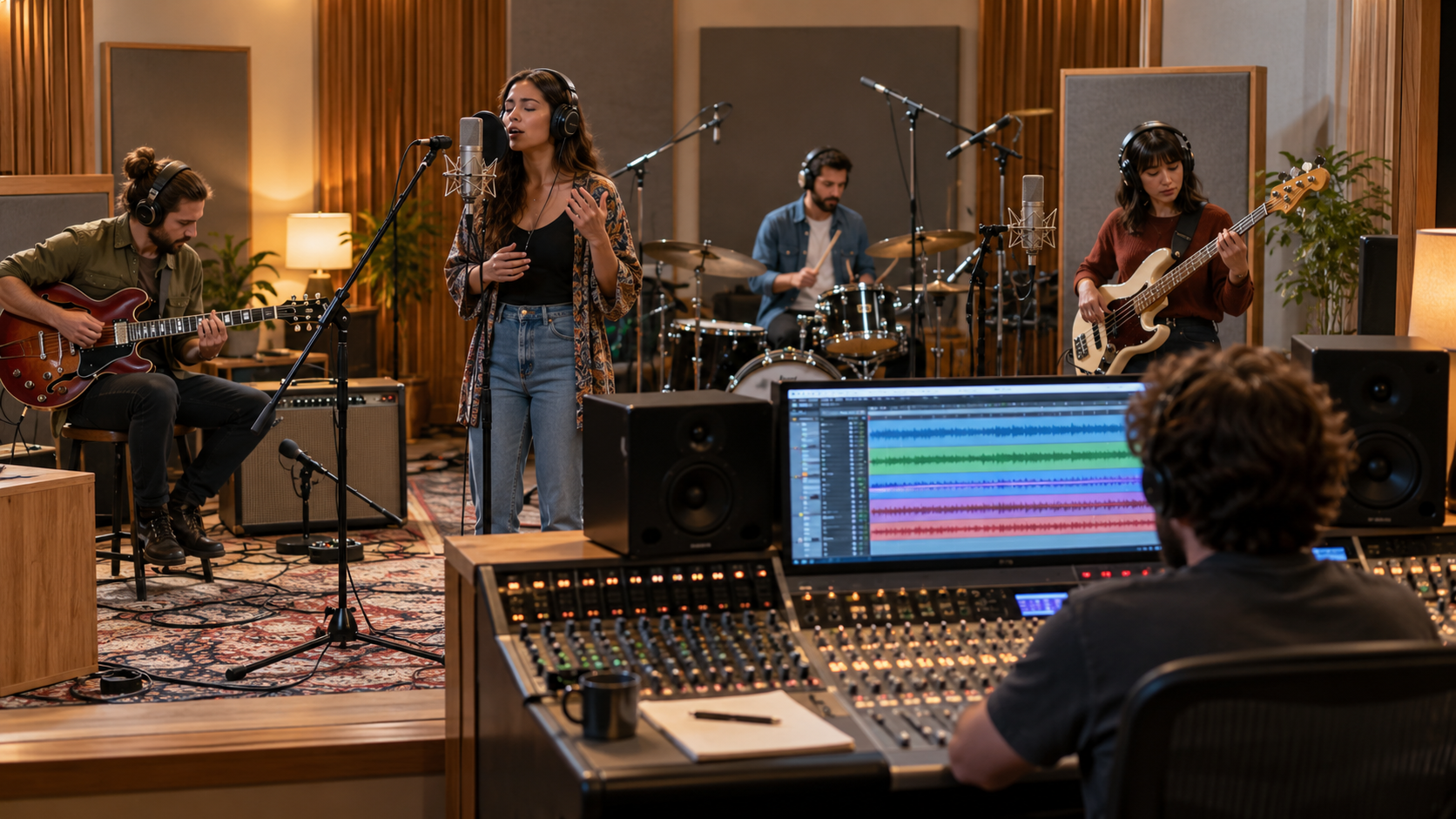
How multitrack recording captures sound sources separately so performances can be edited, balanced, processed, and mixed later.
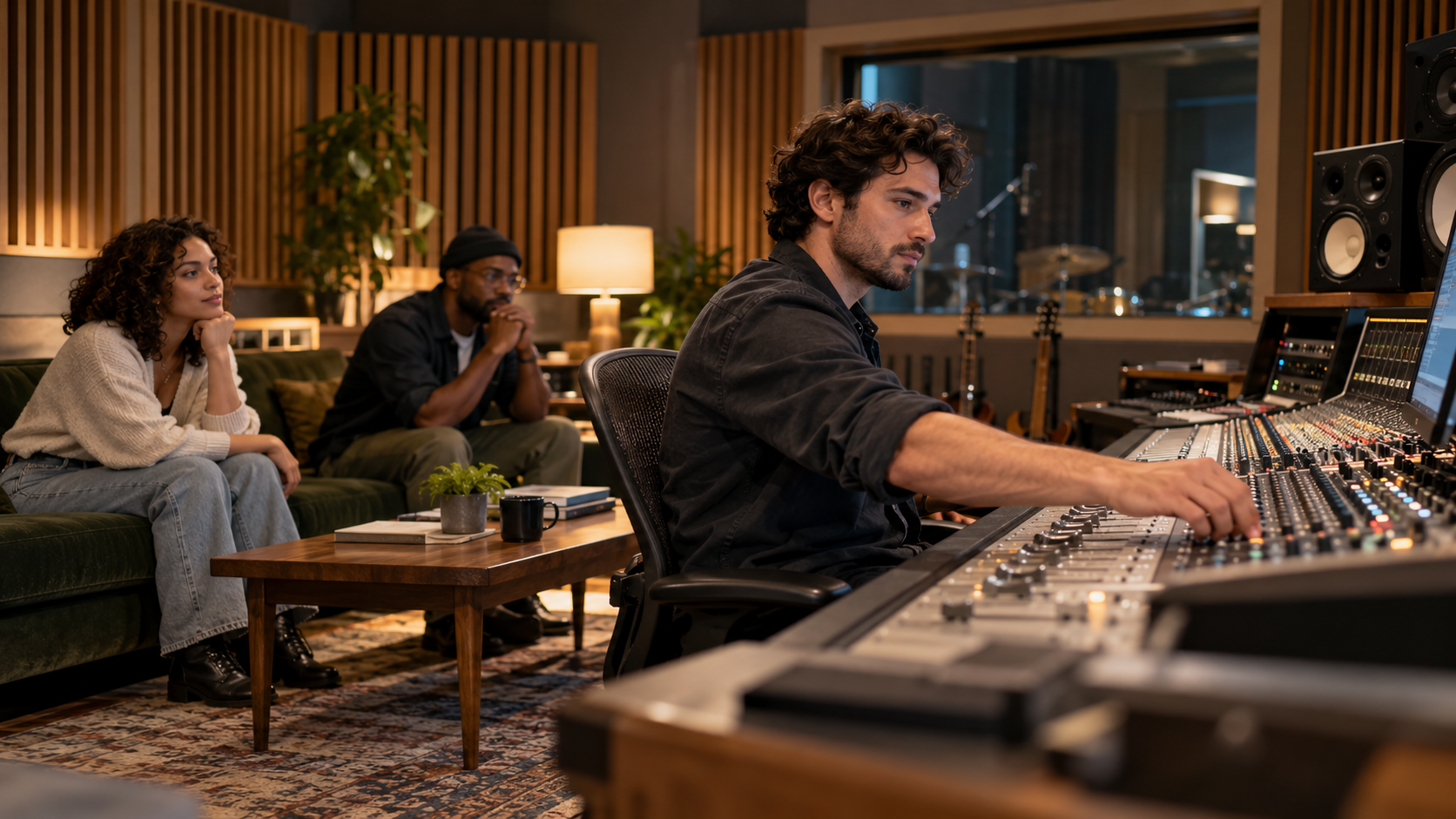
How music mixing balances recorded tracks into a coherent stereo or immersive master-ready presentation.
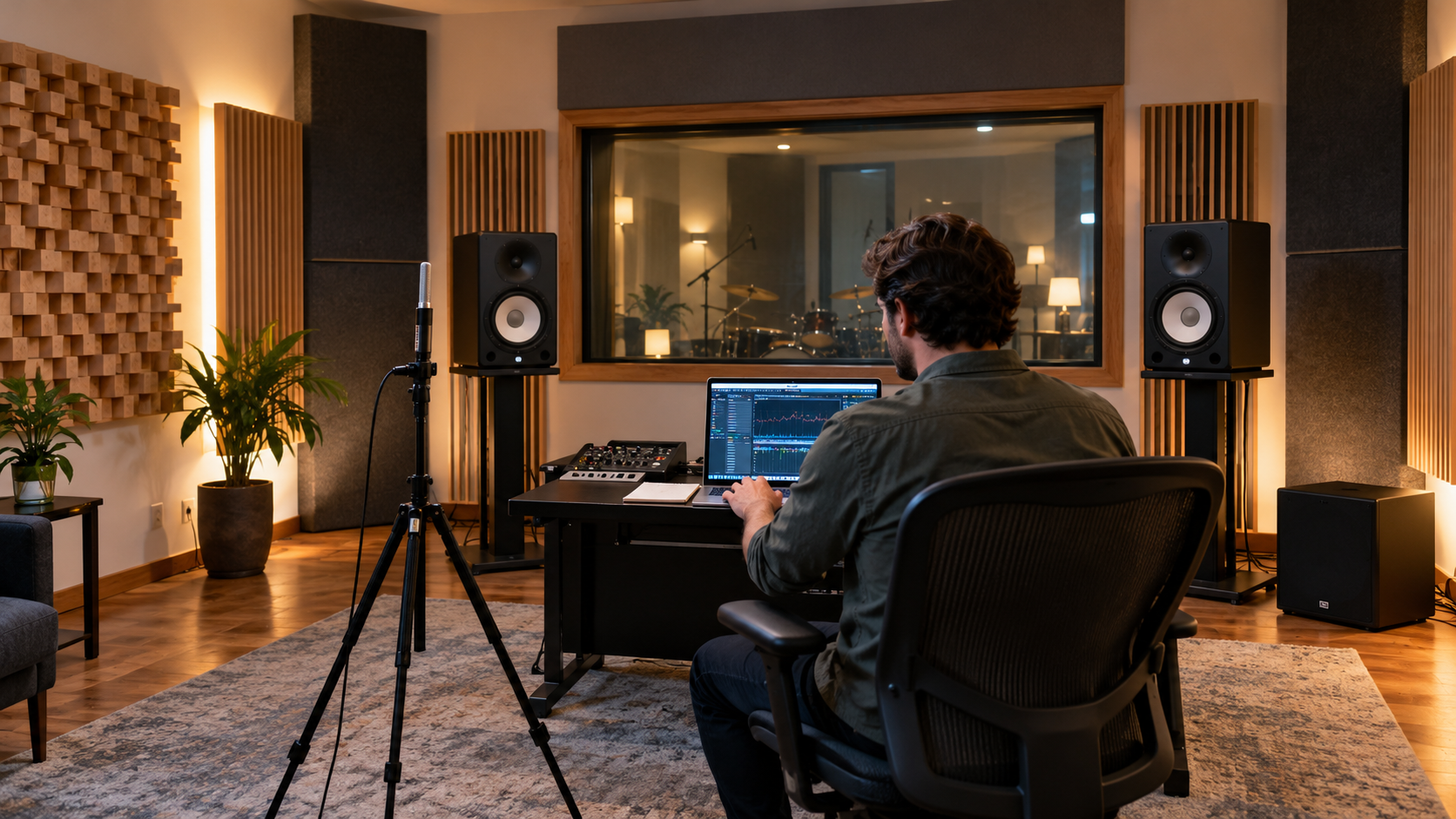
How room shape, isolation, absorption, diffusion, monitoring, and calibration affect recording and critical listening.
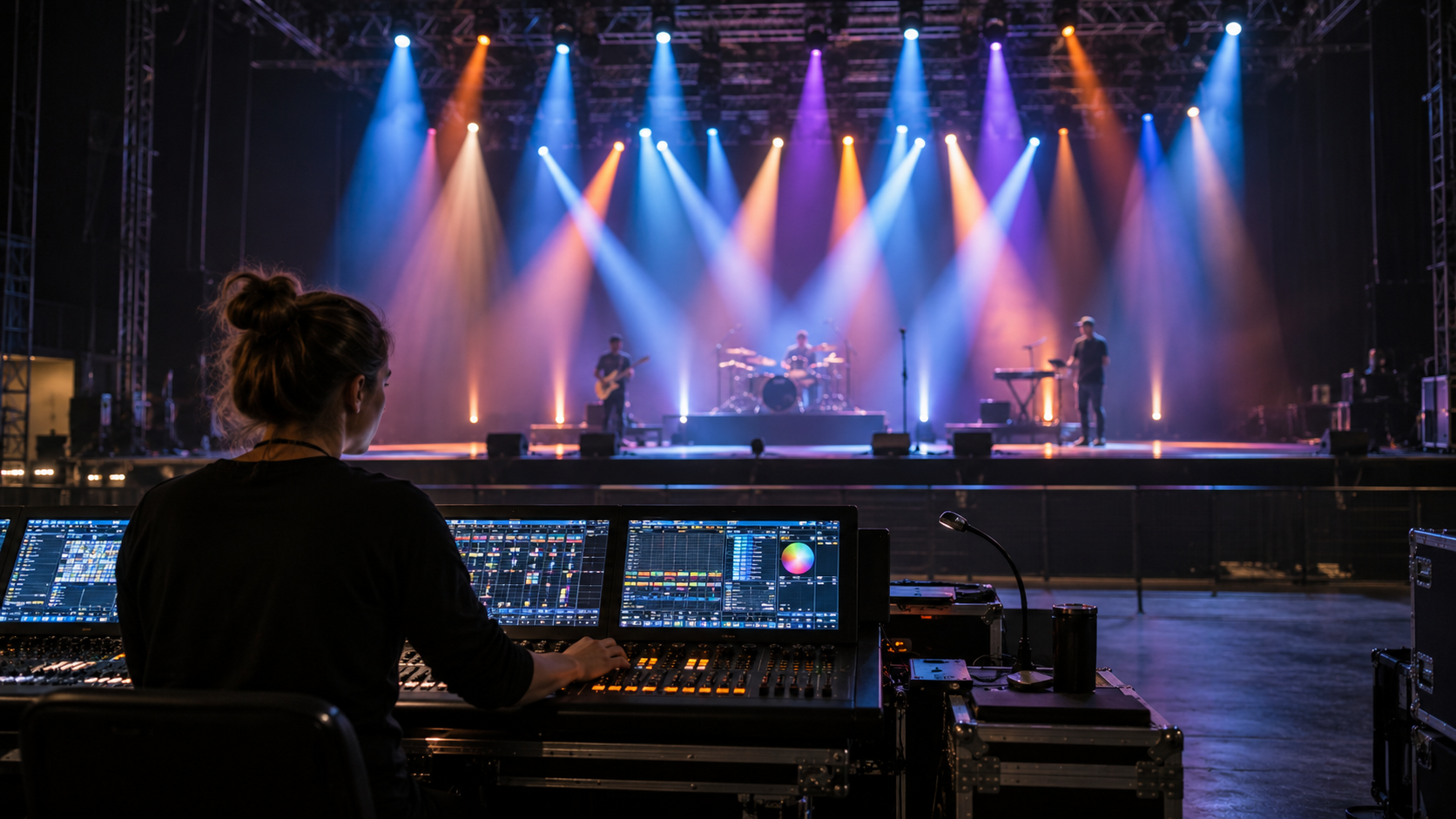
How concert lighting designers use fixtures, color, movement, control, cues, and safety to support live music.