How Cosmic Web Filaments Organize Galaxies
Gravity amplifies early density differences into dark-matter filaments, sheets, clusters, and voids that guide the large-scale distribution of galaxies.

Don't Just Read it – Explore It

Ice-T says his reduced screen time on this season of “Law & Order: SVU” comes down to budgeting and cast…

Breaking Rust is a computer-generated country artist whose song “Walk My Walk” just hit No. 1 on Billboard’s Country Digital…

Loading… Key Takeaways The Top 10 cutest cat breeds blend striking physical features with warm, affectionate personalities that appeal to…

Elon Musk says artificial intelligence and advanced robotics could make traditional work optional within the next 10–20 years. Speaking at…

The founder of Yara AI, a mental-health chatbot, has shut the app down after concluding it posed unacceptable risks to…

Black Friday isn’t the blockbuster shopping event it once was. Retailers have stretched deals across weeks, foot traffic is flat,…

Mick Jagger, now 82, continues to perform with remarkable stamina thanks to a highly disciplined lifestyle centered on daily movement,…
Gravity amplifies early density differences into dark-matter filaments, sheets, clusters, and voids that guide the large-scale distribution of galaxies.
Extreme magnetic stress in a magnetar’s crust and magnetosphere can release sudden X-ray and gamma-ray bursts, including rare giant flares.
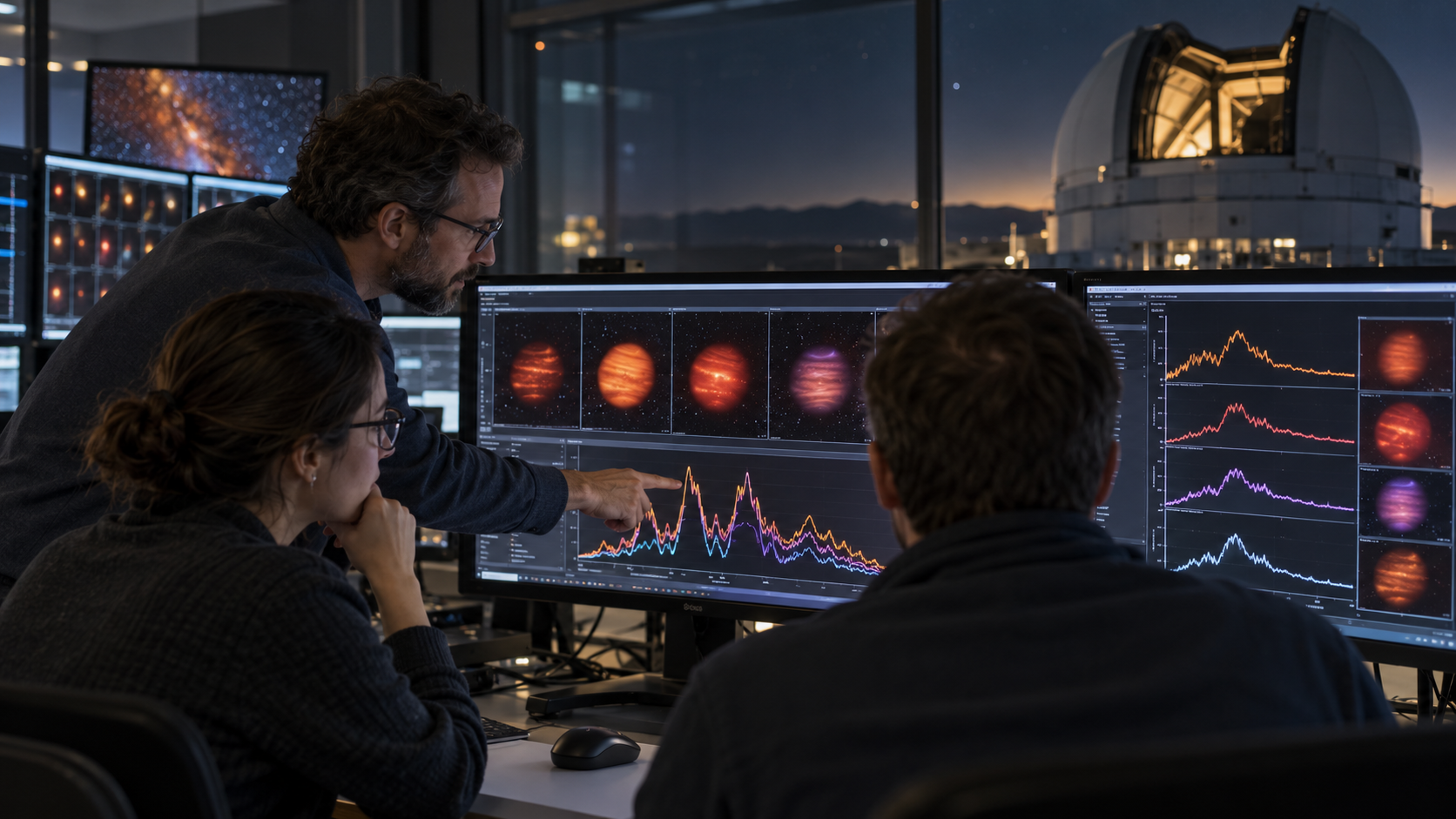
Brown dwarfs form from collapsing gas like stars but never sustain ordinary hydrogen fusion, so they cool and glow mainly in infrared light.
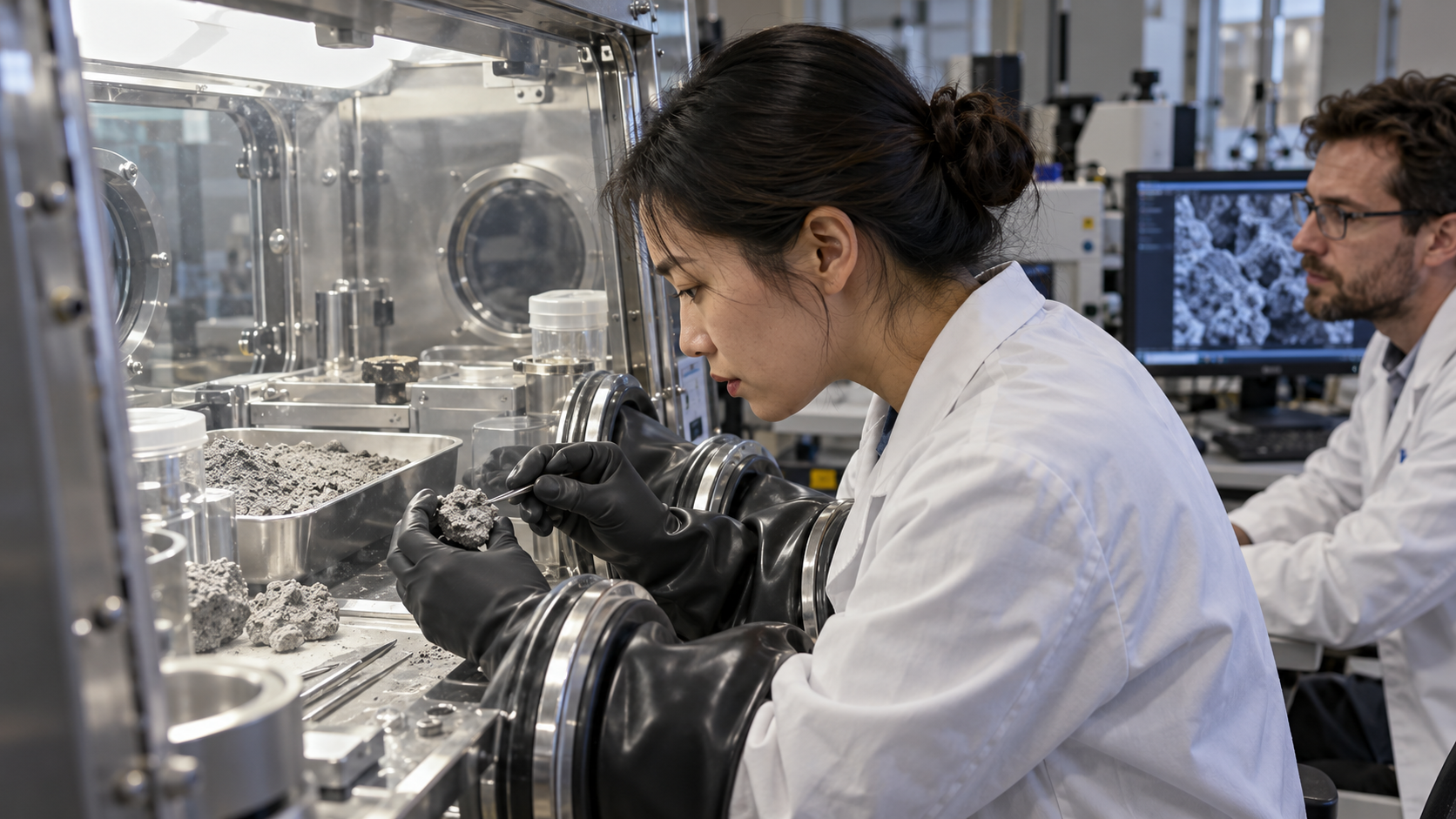
Meteorite impacts and space weathering pulverize, melt, mix, and chemically alter lunar rock into a loose layer of sharp regolith.
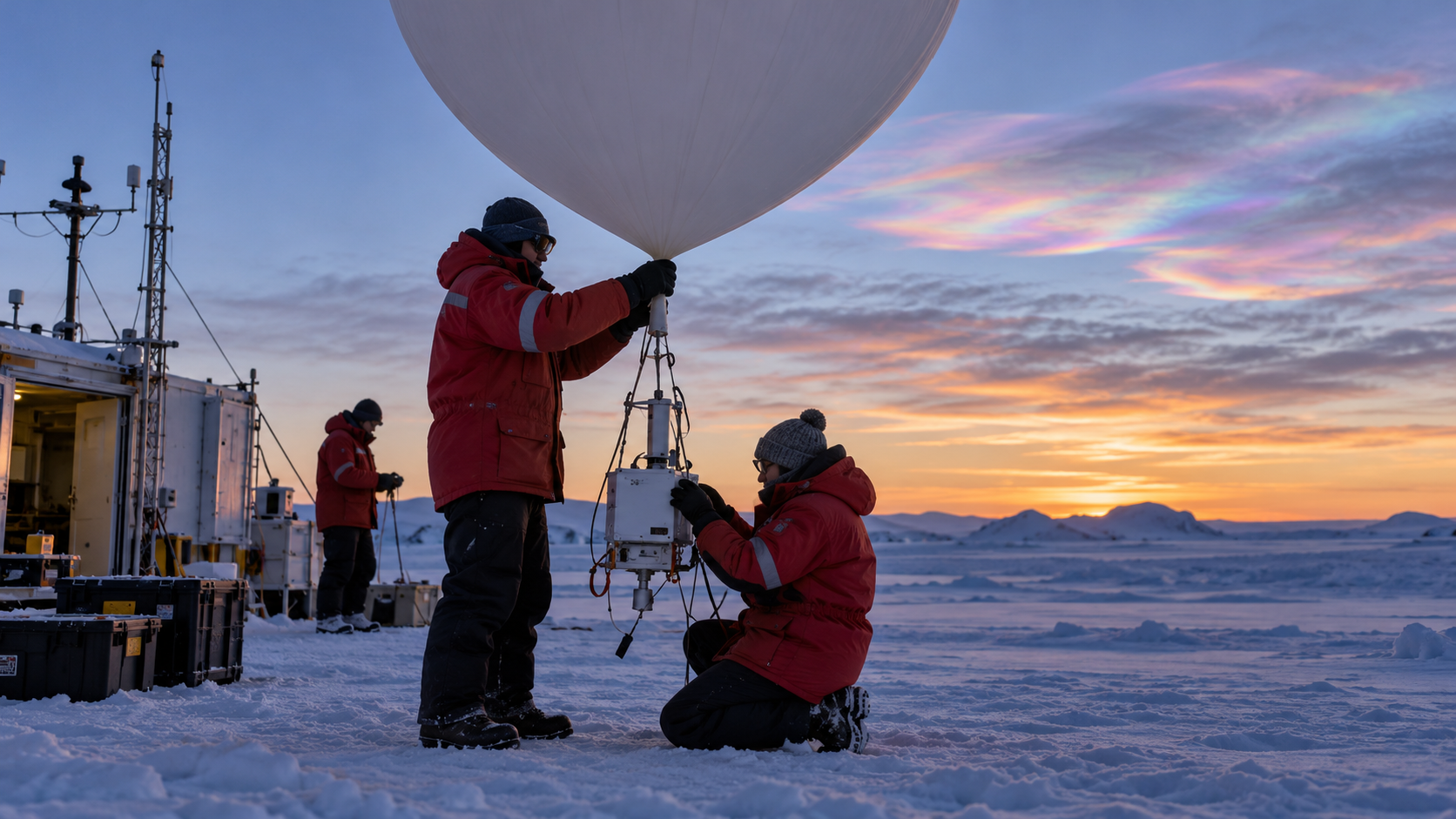
Extremely cold polar stratospheric clouds transform reservoir chlorine into reactive forms that destroy ozone when spring sunlight returns.
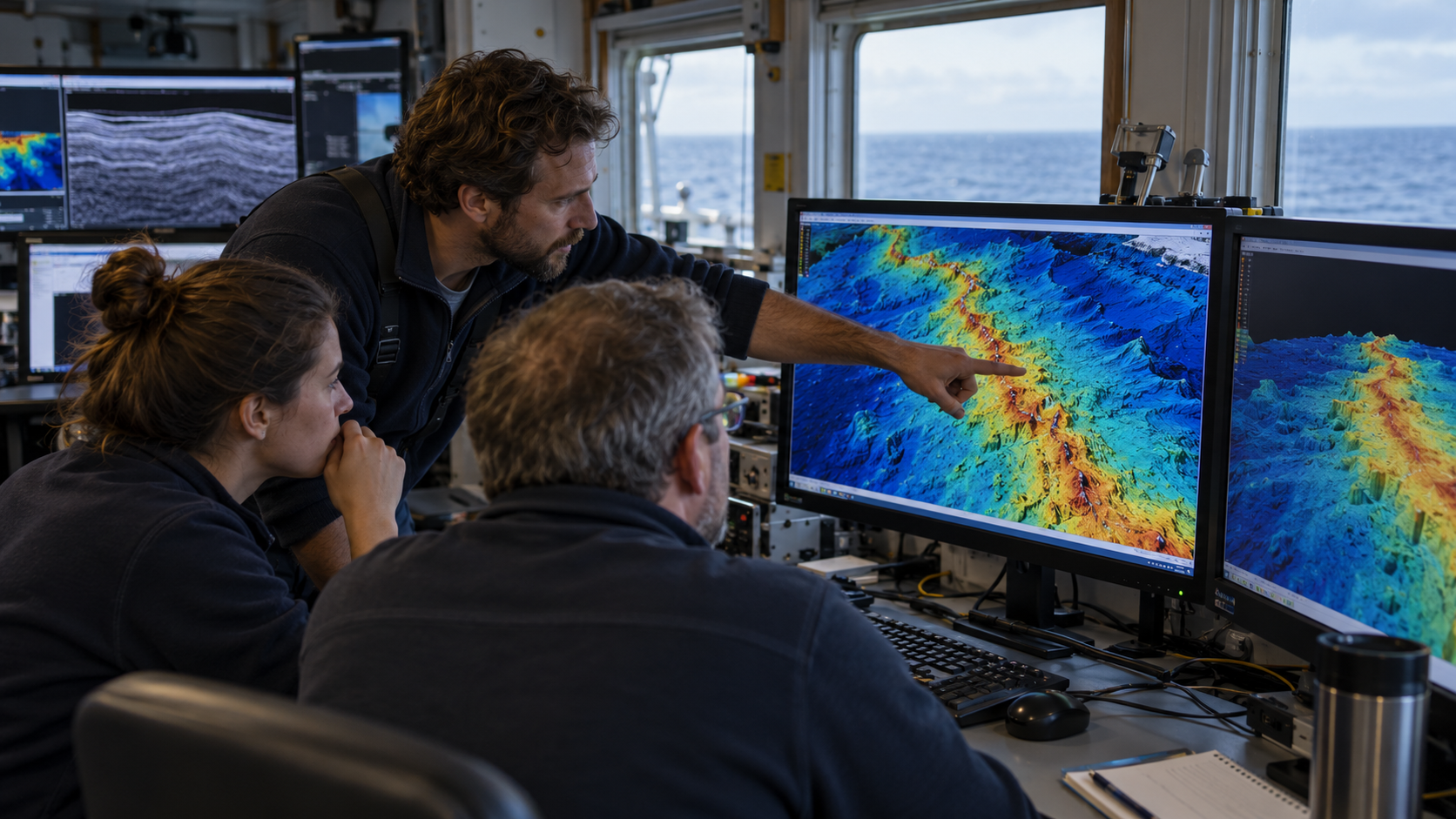
At divergent plate boundaries, mantle rises, partially melts, and supplies magma that cools into new oceanic crust along a global ridge system.
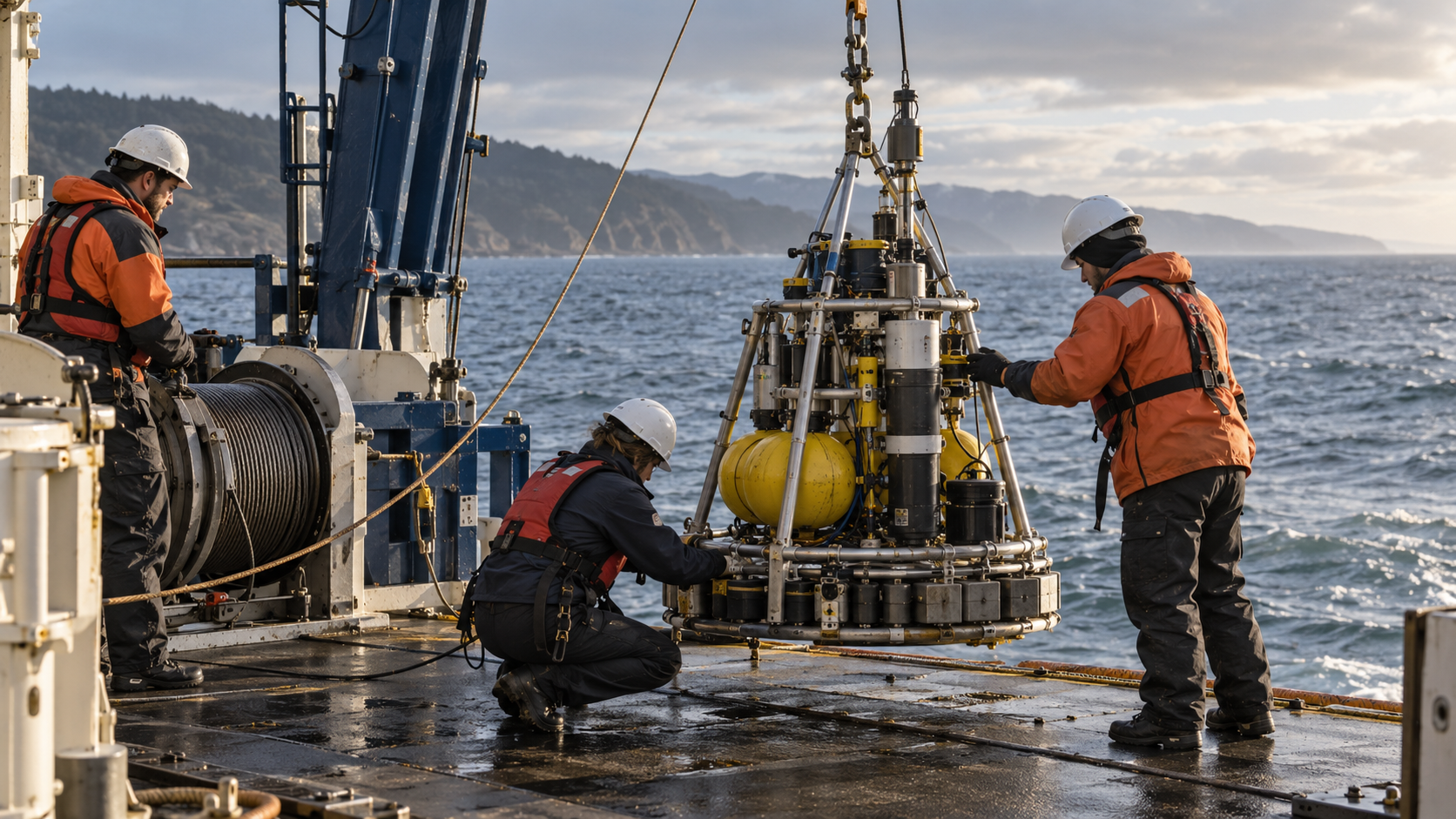
Sediment-laden dense flows rush downslope through submarine canyons, eroding channels and depositing fans across the deep seafloor.
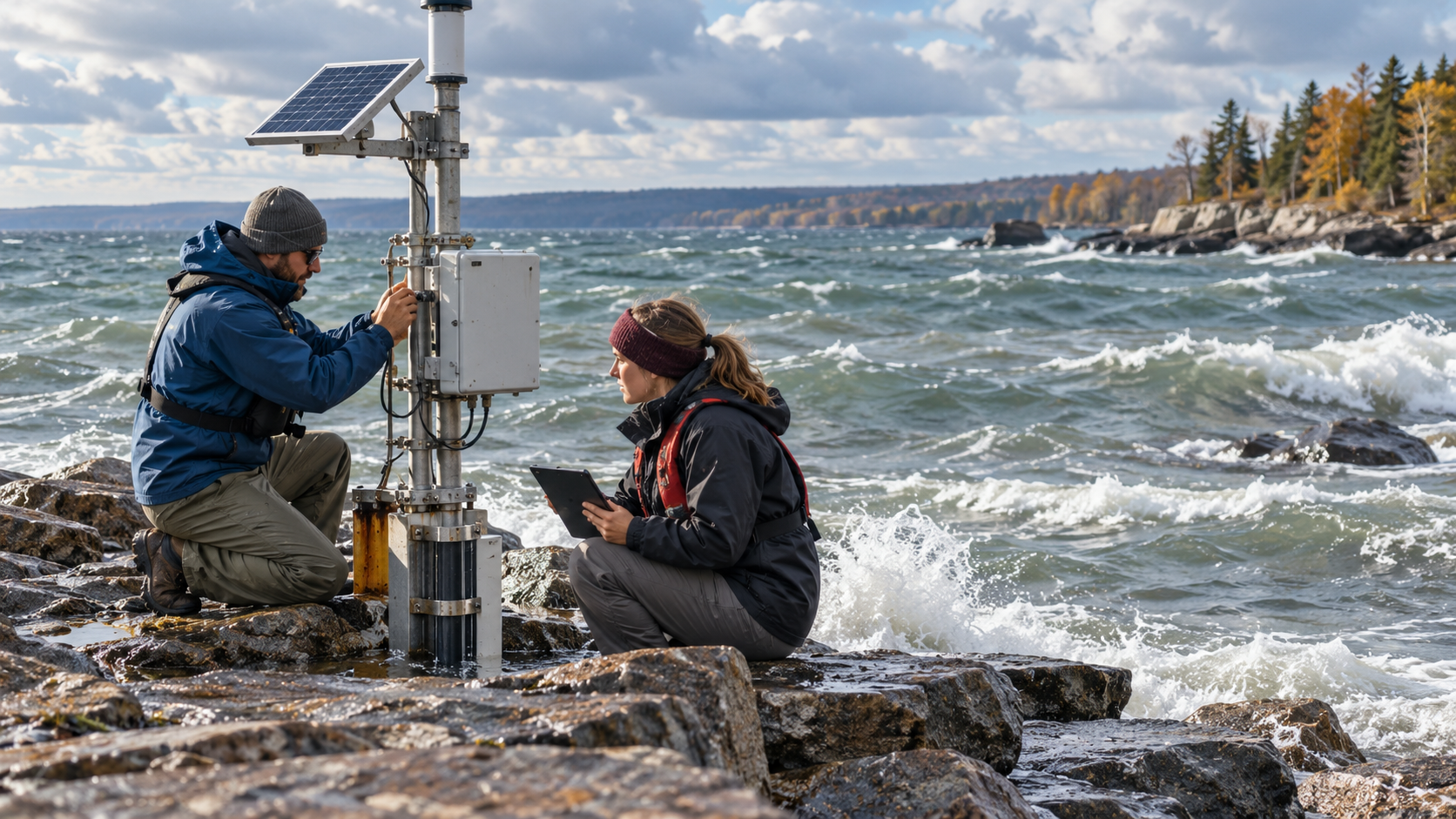
A seiche is a standing wave that makes water slosh back and forth in an enclosed or semi-enclosed basin after wind or pressure displaces it.
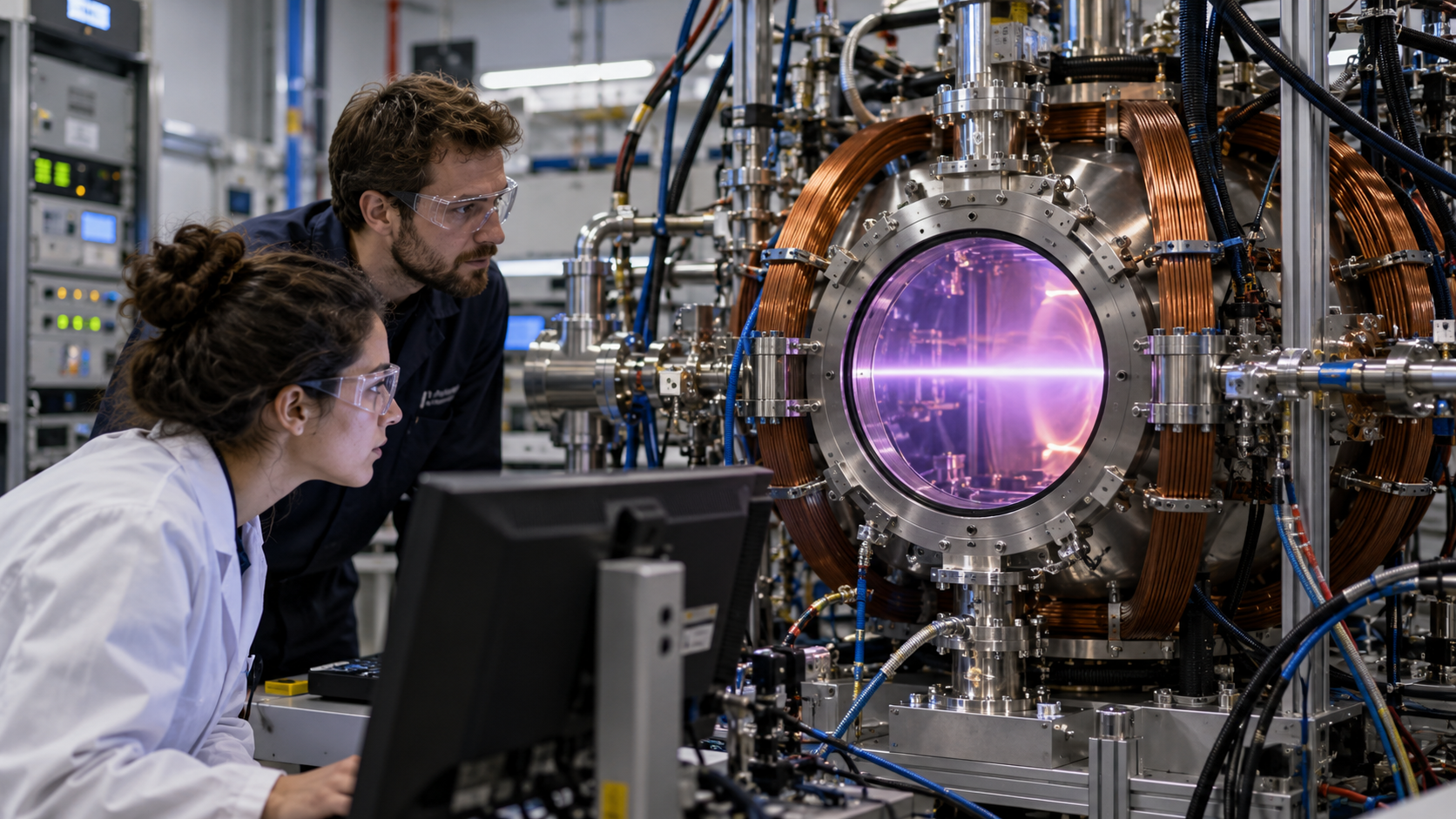
Magnetohydrodynamics treats conducting fluids and plasmas as flows that move magnetic fields while magnetic forces reshape the flow.
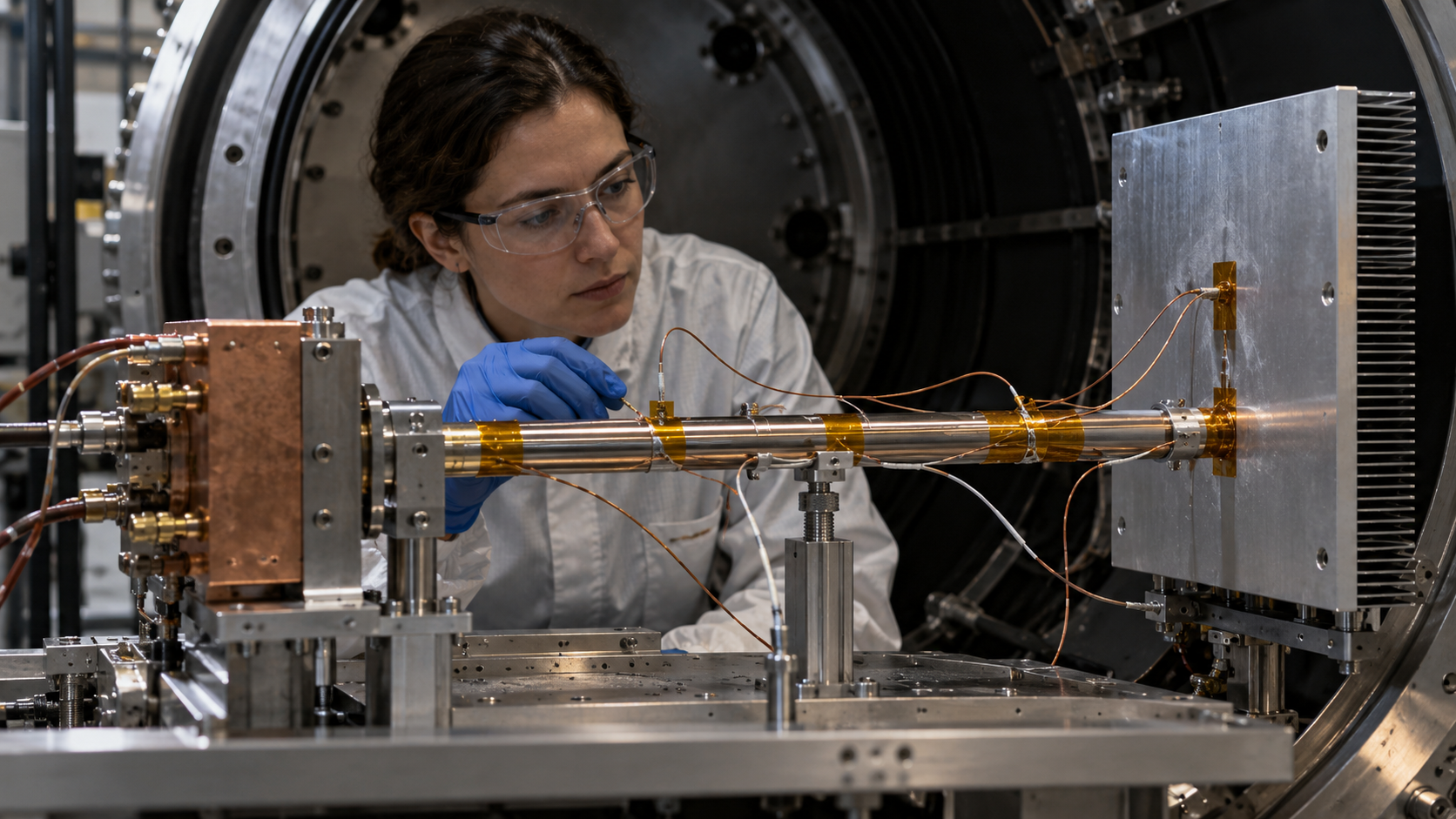
A heat pipe moves energy by evaporating a working fluid at a hot region, condensing it at a cool region, and returning liquid through a wick.
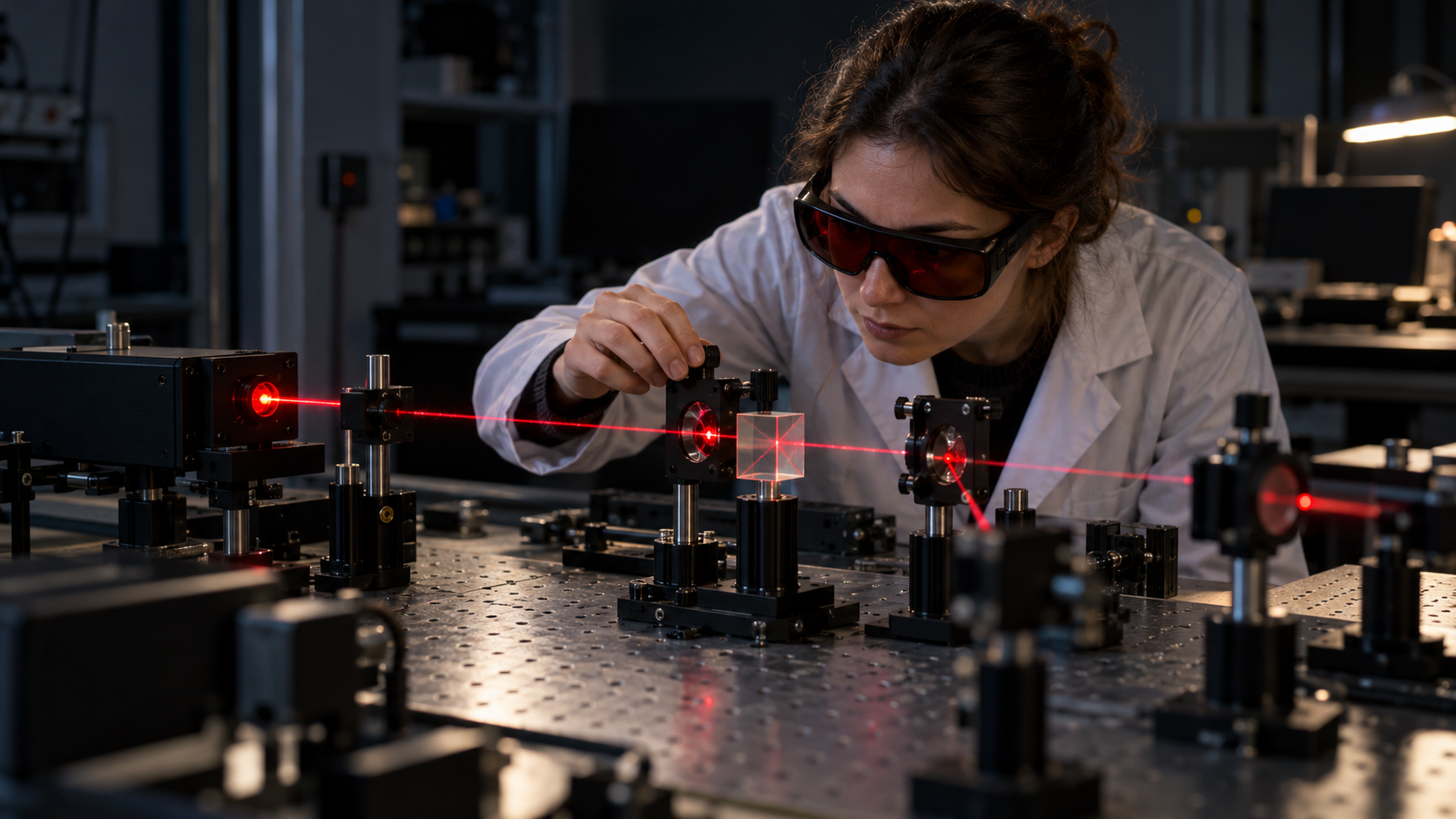
Holography records interference between an object wave and a reference wave so later illumination can reconstruct the original wavefront.
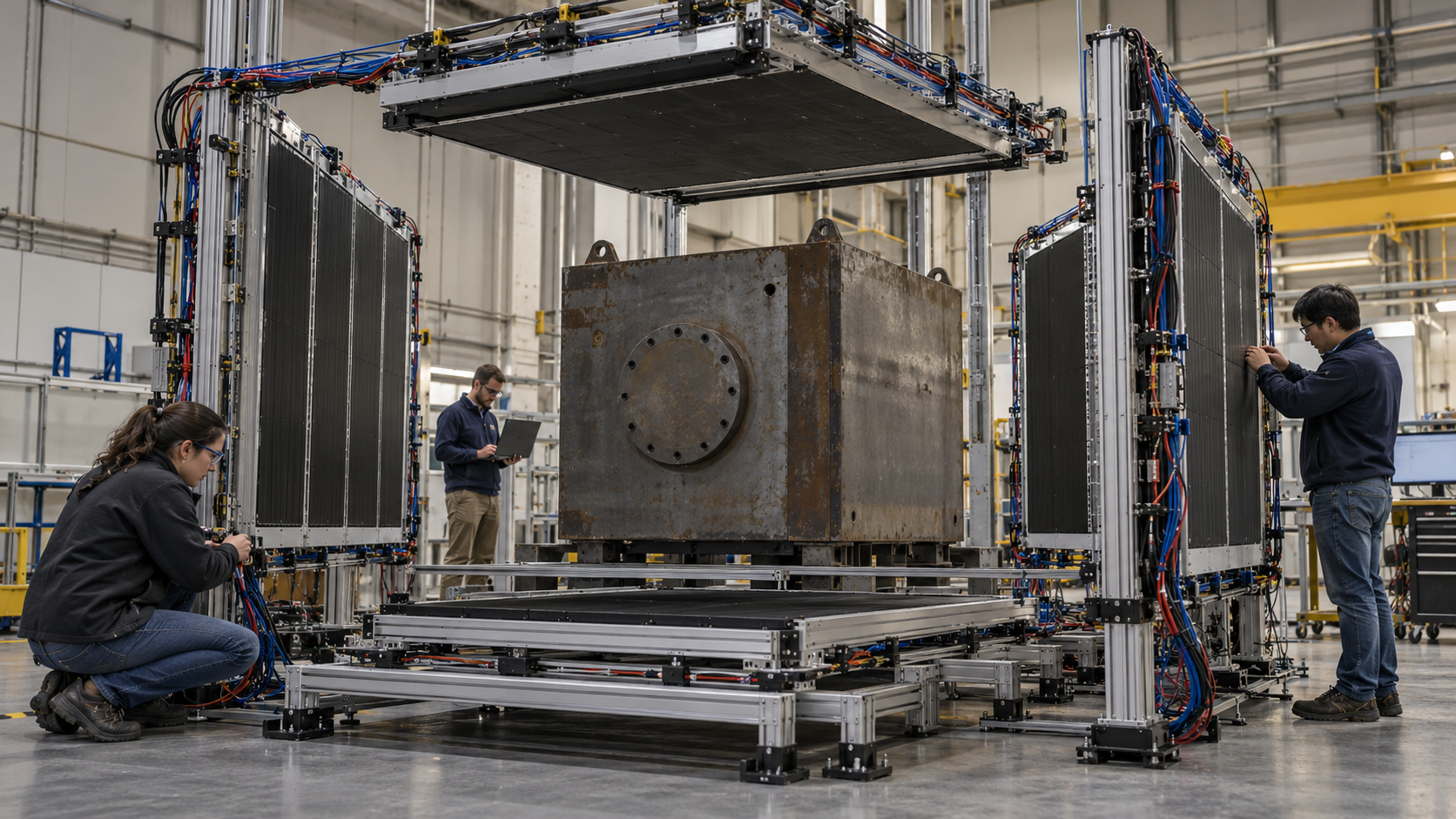
Muon tomography tracks naturally occurring cosmic-ray muons before and after they cross an object to reconstruct otherwise hidden density or composition.