How Neutron Diffraction Reveals Atomic Structure
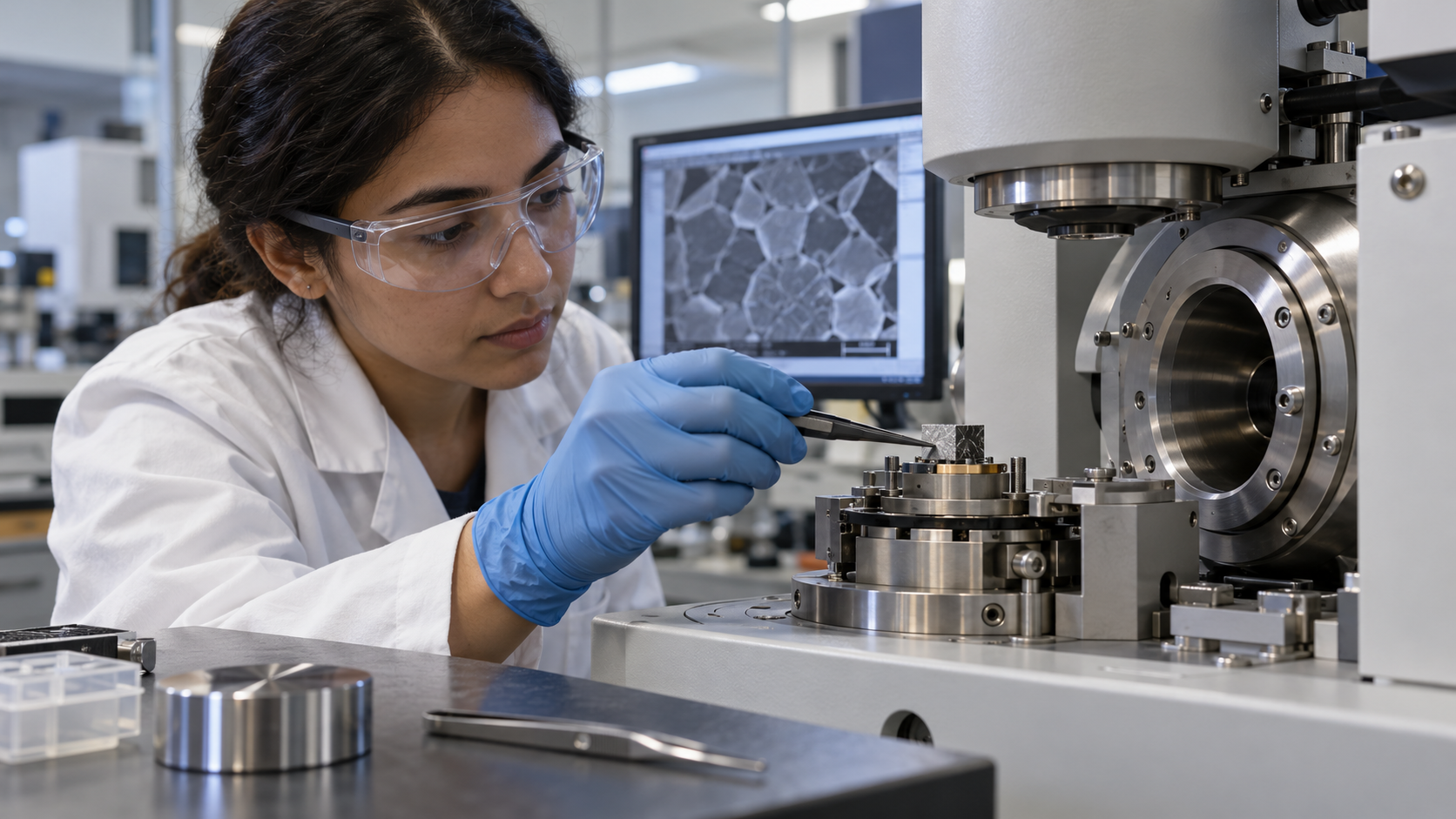
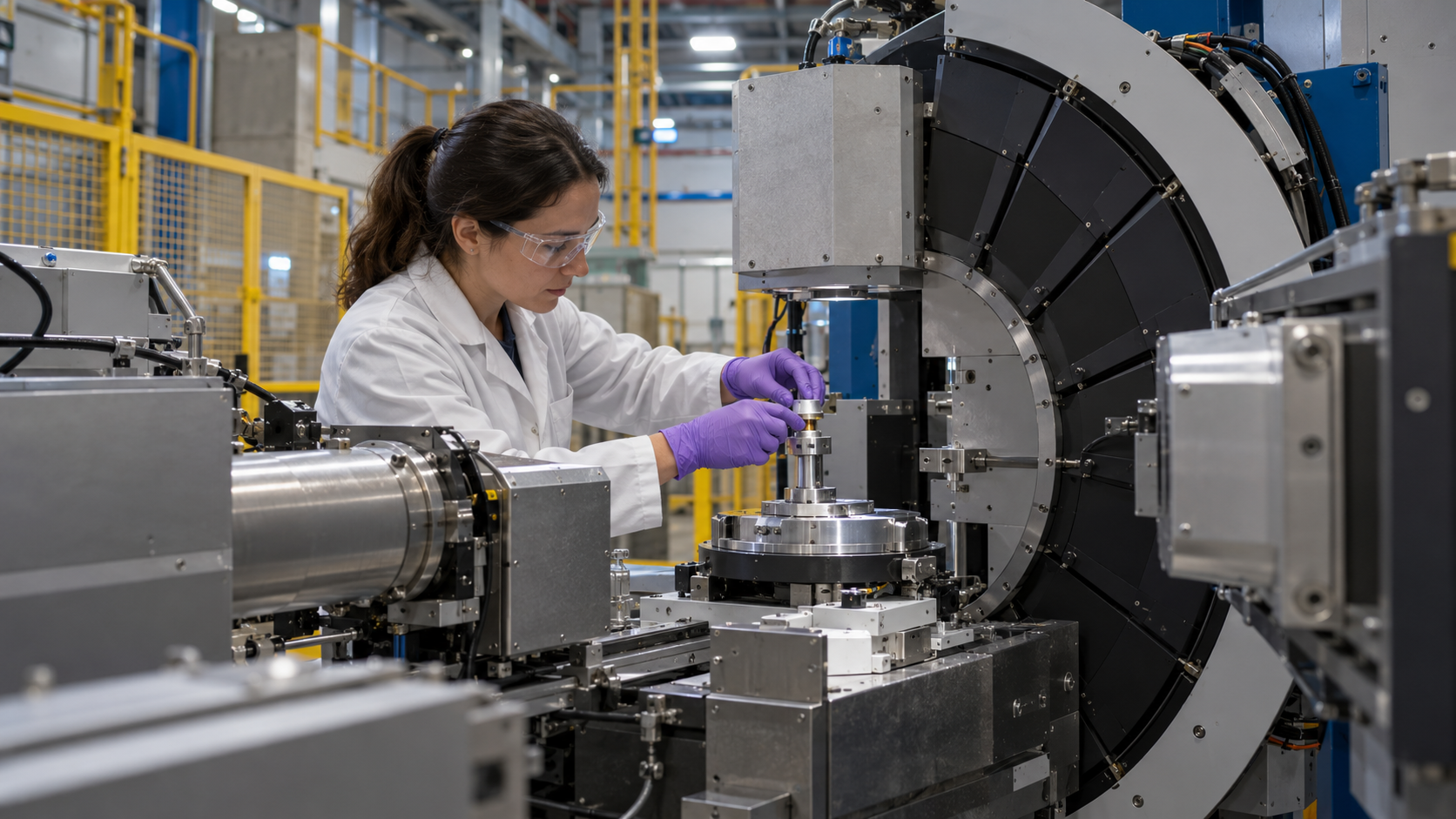
Neutron waves scatter from atomic nuclei and magnetic moments, producing diffraction patterns that reveal crystal spacing, composition, and magnetism.

Don't Just Read it – Explore It

Ice-T says his reduced screen time on this season of “Law & Order: SVU” comes down to budgeting and cast…

Breaking Rust is a computer-generated country artist whose song “Walk My Walk” just hit No. 1 on Billboard’s Country Digital…

Loading… Key Takeaways The Top 10 cutest cat breeds blend striking physical features with warm, affectionate personalities that appeal to…

Elon Musk says artificial intelligence and advanced robotics could make traditional work optional within the next 10–20 years. Speaking at…

The founder of Yara AI, a mental-health chatbot, has shut the app down after concluding it posed unacceptable risks to…

Black Friday isn’t the blockbuster shopping event it once was. Retailers have stretched deals across weeks, foot traffic is flat,…

Mick Jagger, now 82, continues to perform with remarkable stamina thanks to a highly disciplined lifestyle centered on daily movement,…
Neutron waves scatter from atomic nuclei and magnetic moments, producing diffraction patterns that reveal crystal spacing, composition, and magnetism.
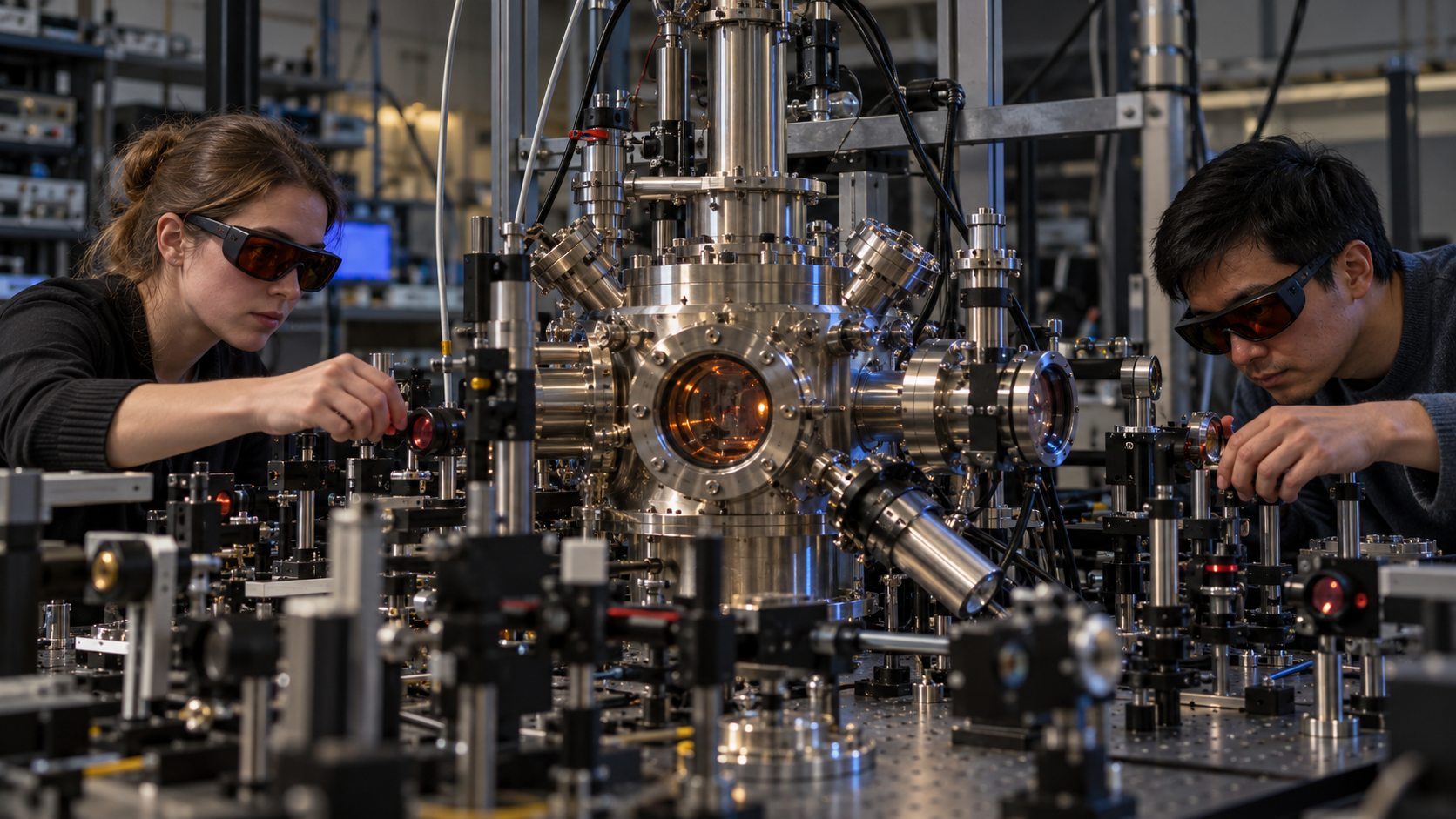
Laser cooling, magnetic or optical trapping, and evaporative cooling bring bosonic atoms into a shared macroscopic quantum state.
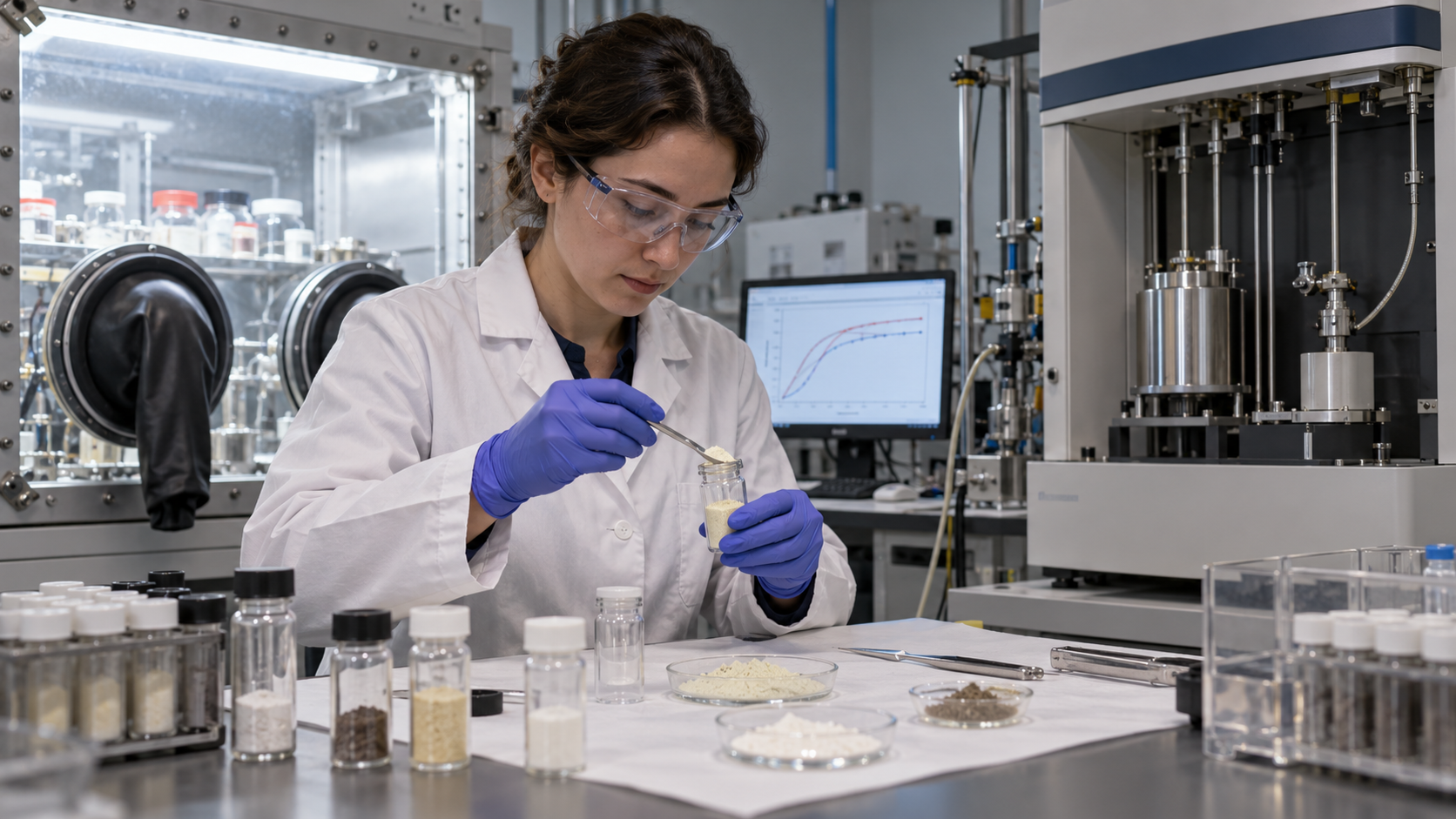
Covalent organic frameworks link molecular building blocks into crystalline two- or three-dimensional networks with designed pore sizes and chemistry.
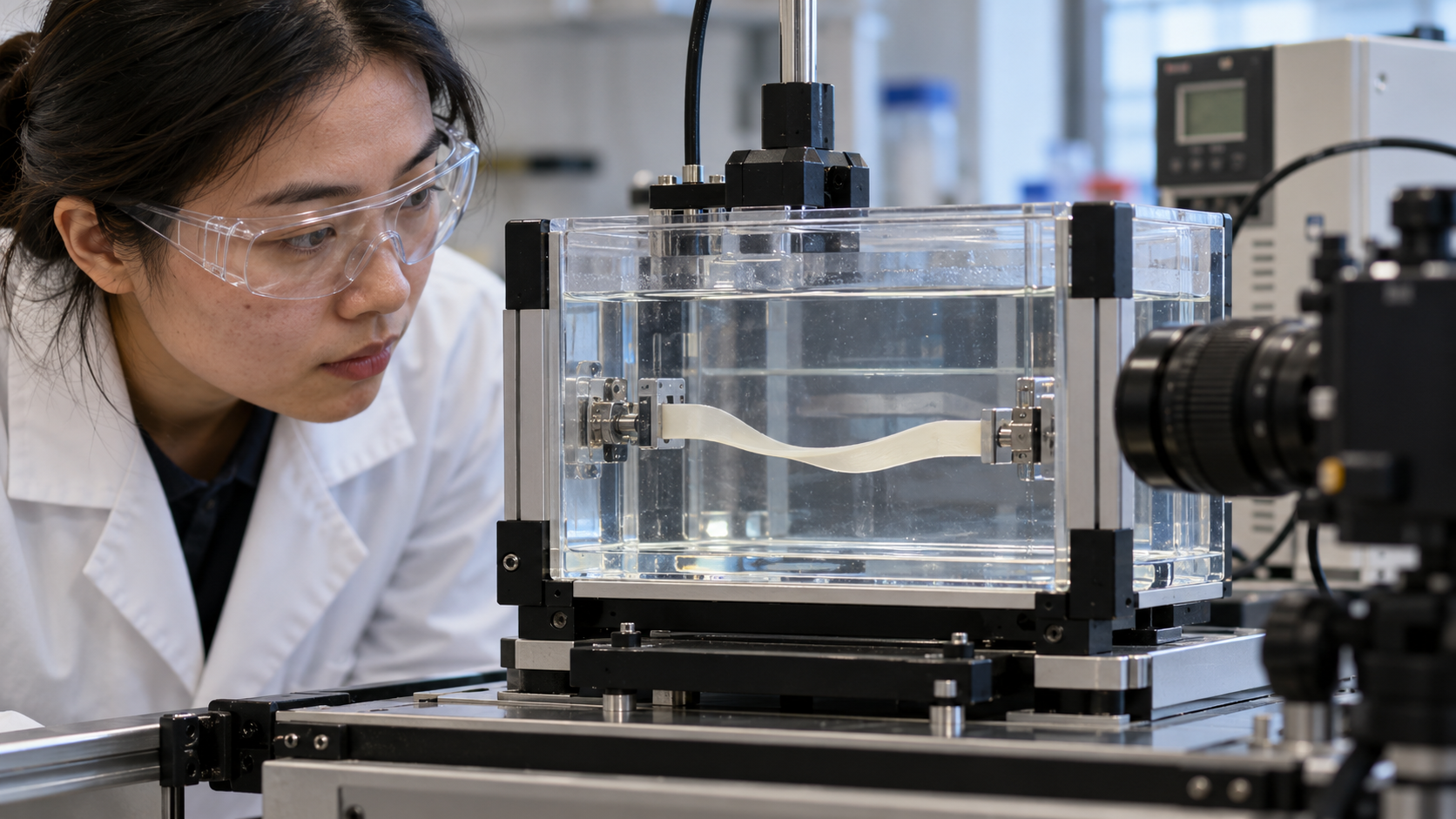
Shape-memory polymers hold a temporary deformation and recover a permanent form when heat, light, moisture, or another trigger restores mobility.
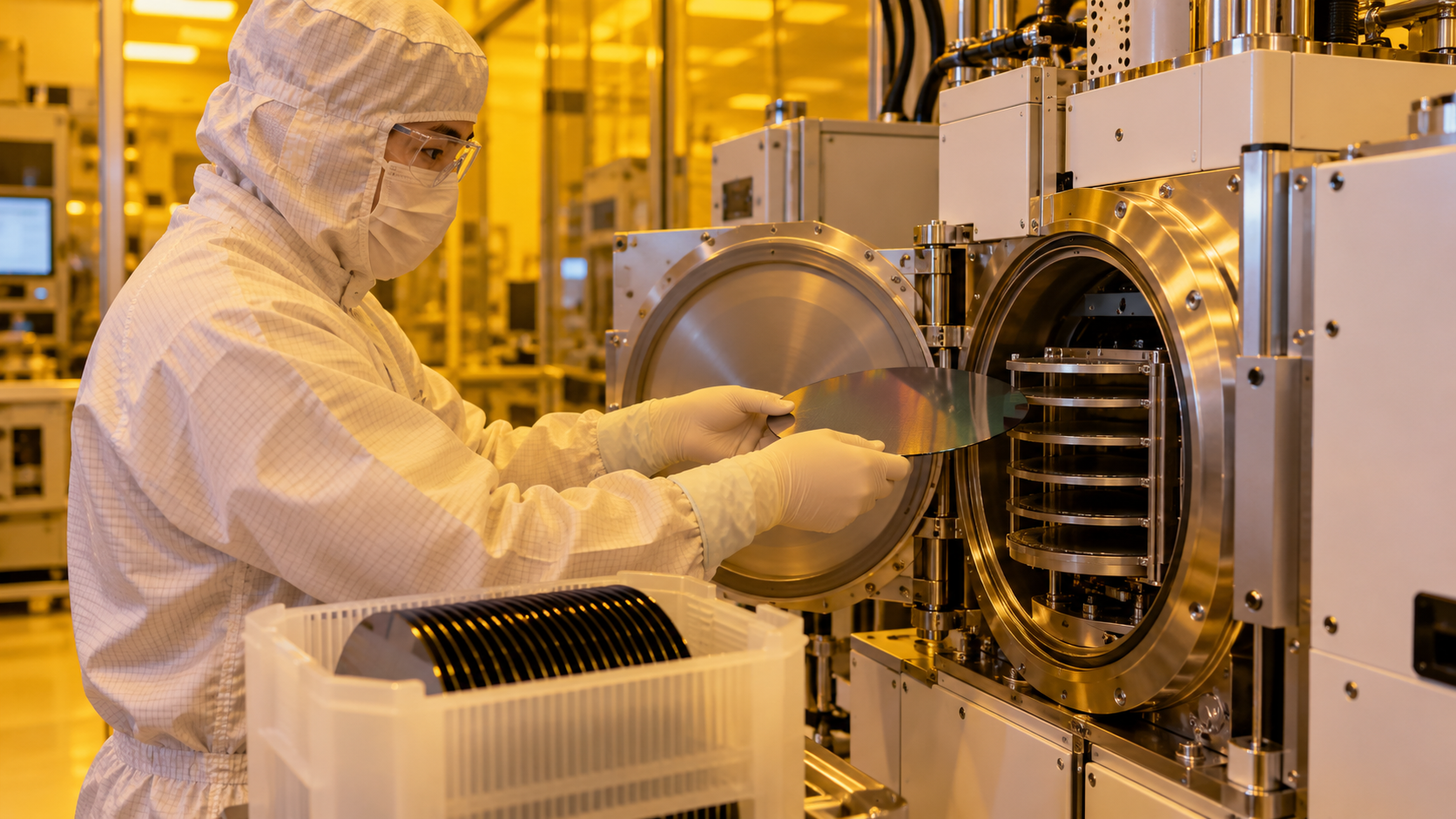
Atomic layer deposition alternates self-limiting surface reactions to build conformal thin films with near-atomic control over thickness.
Vacancies, substitutions, dislocations, and grain boundaries interrupt perfect crystal order and control strength, conductivity, diffusion, and failure.
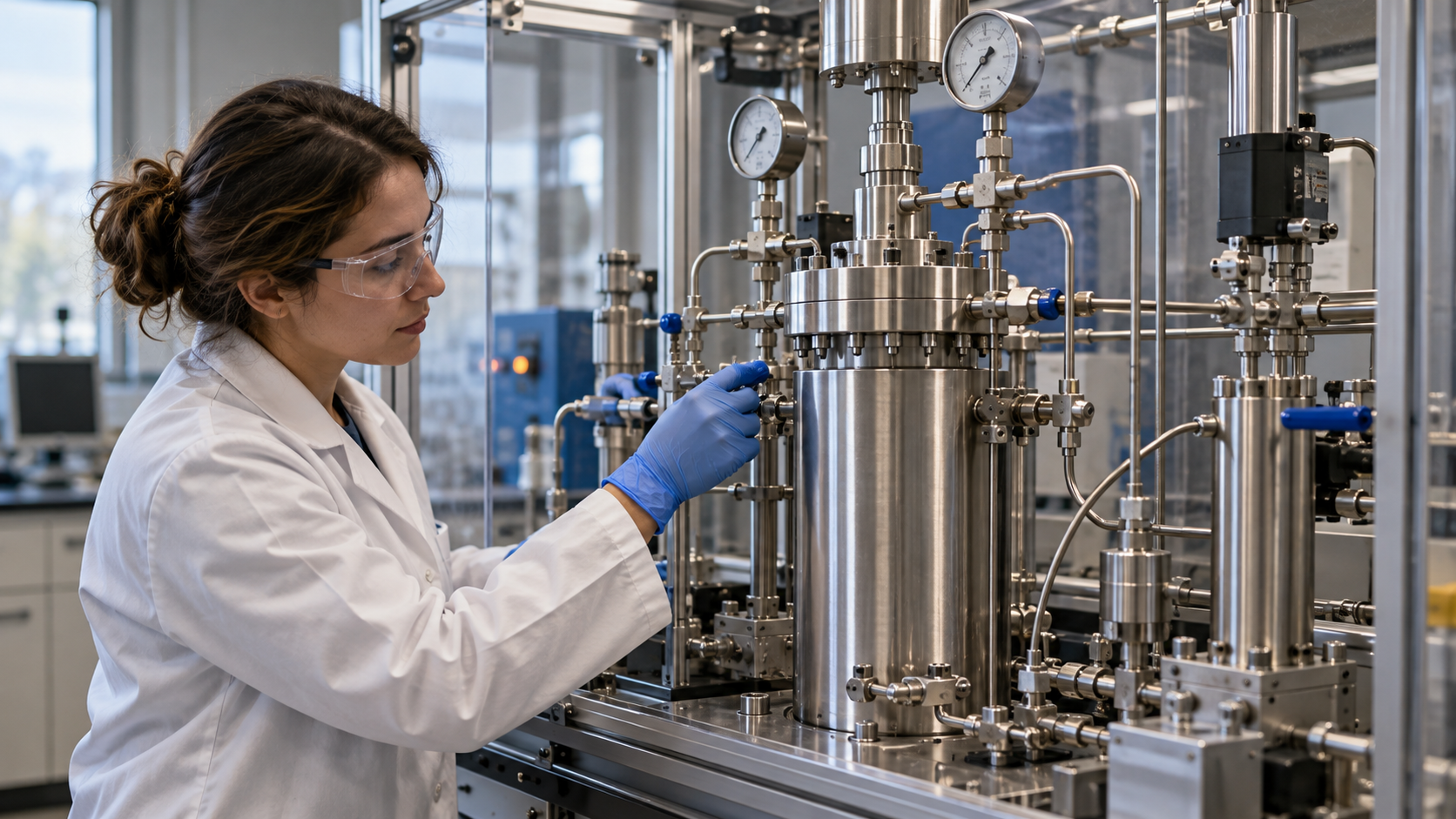
Above a substance’s critical temperature and pressure, liquid and gas phases merge into a supercritical fluid with tunable density and transport.
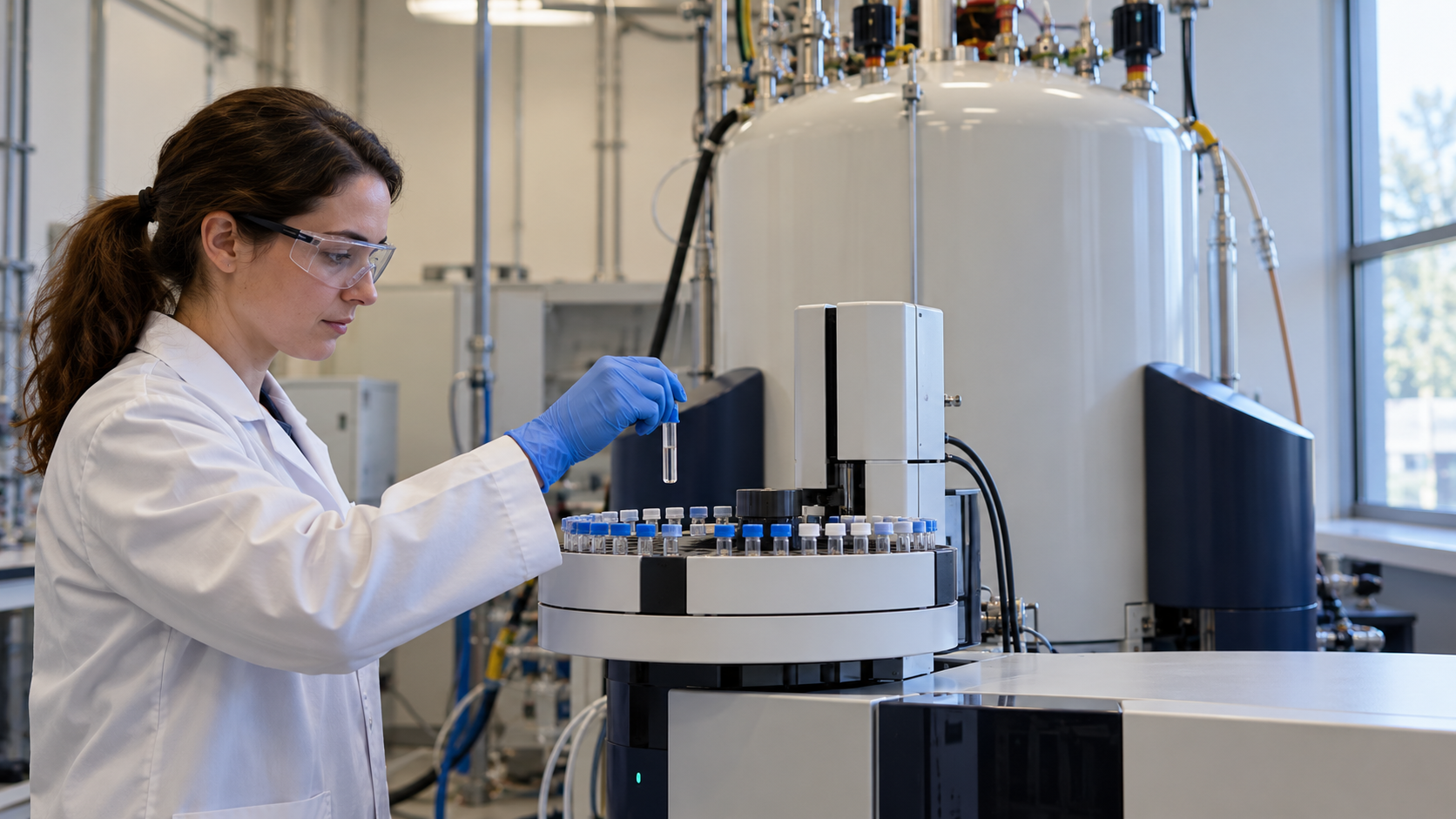
NMR spectroscopy measures how atomic nuclei respond to radiofrequency pulses in a magnetic field, revealing chemical environments and connectivity.
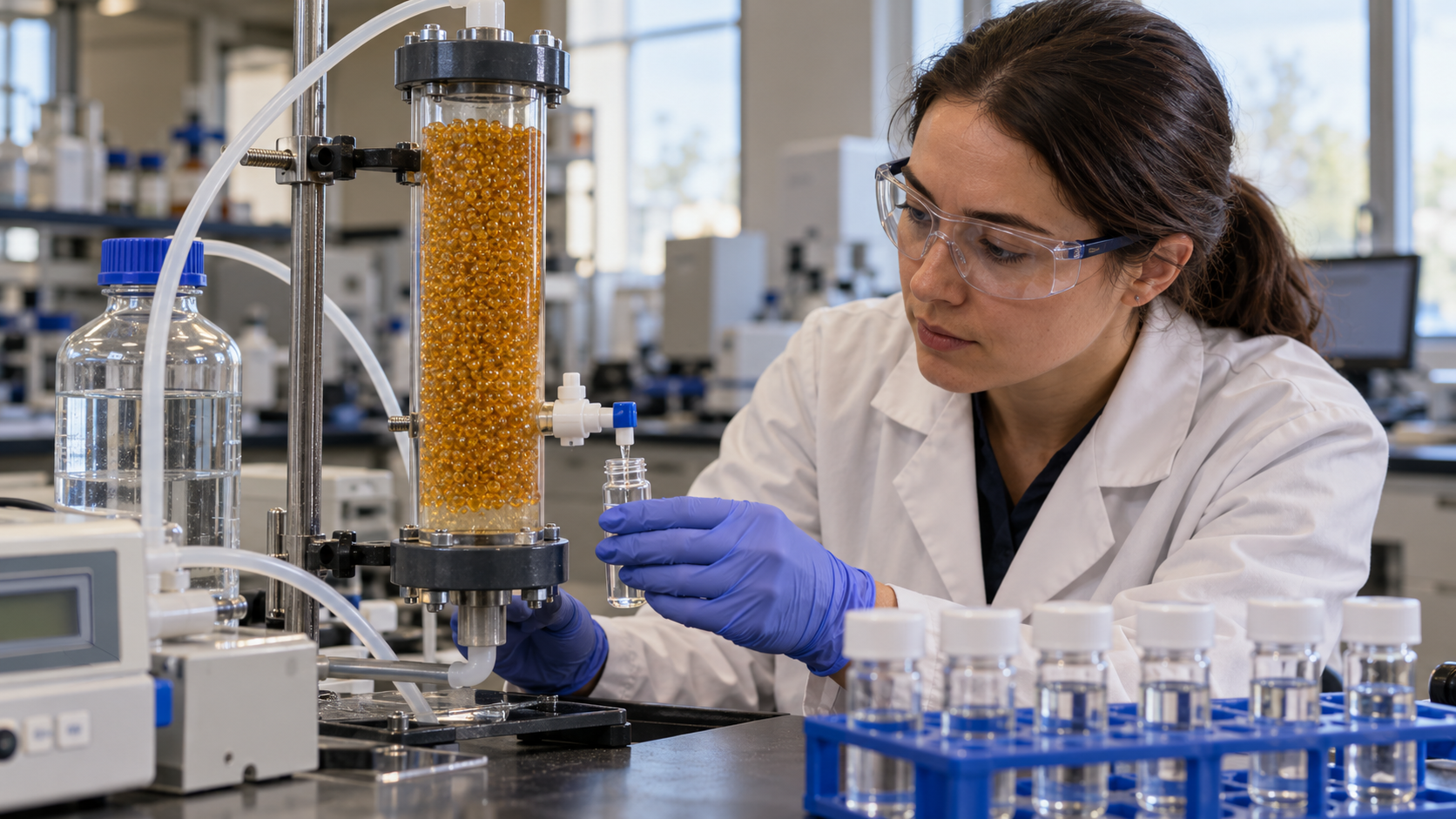
Ion-exchange resins carry fixed charges that reversibly trade counterions with water, enabling selective softening and contaminant removal.
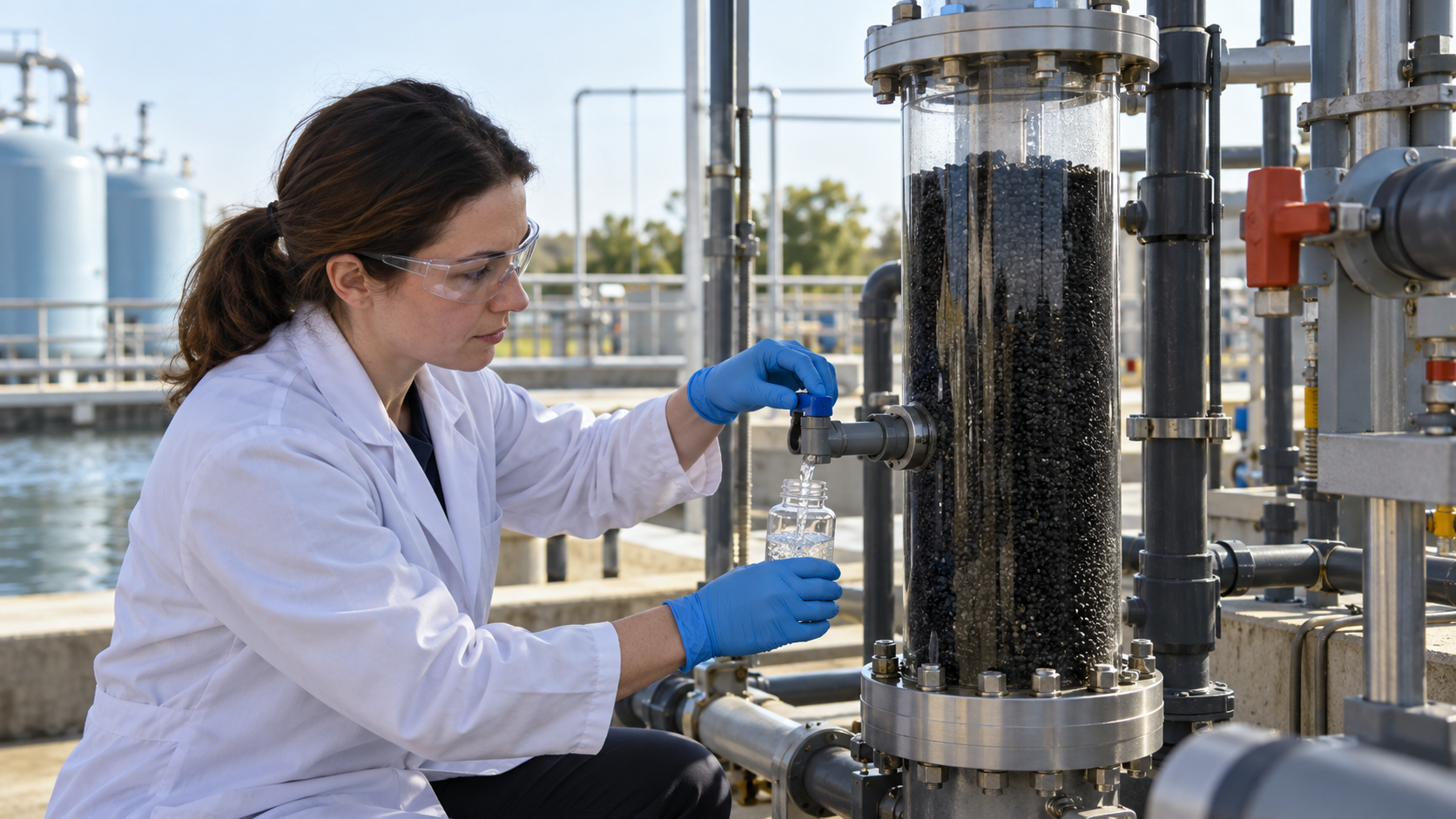
Activated carbon removes many dissolved or gaseous compounds by concentrating them on an enormous internal surface rather than absorbing them inside.
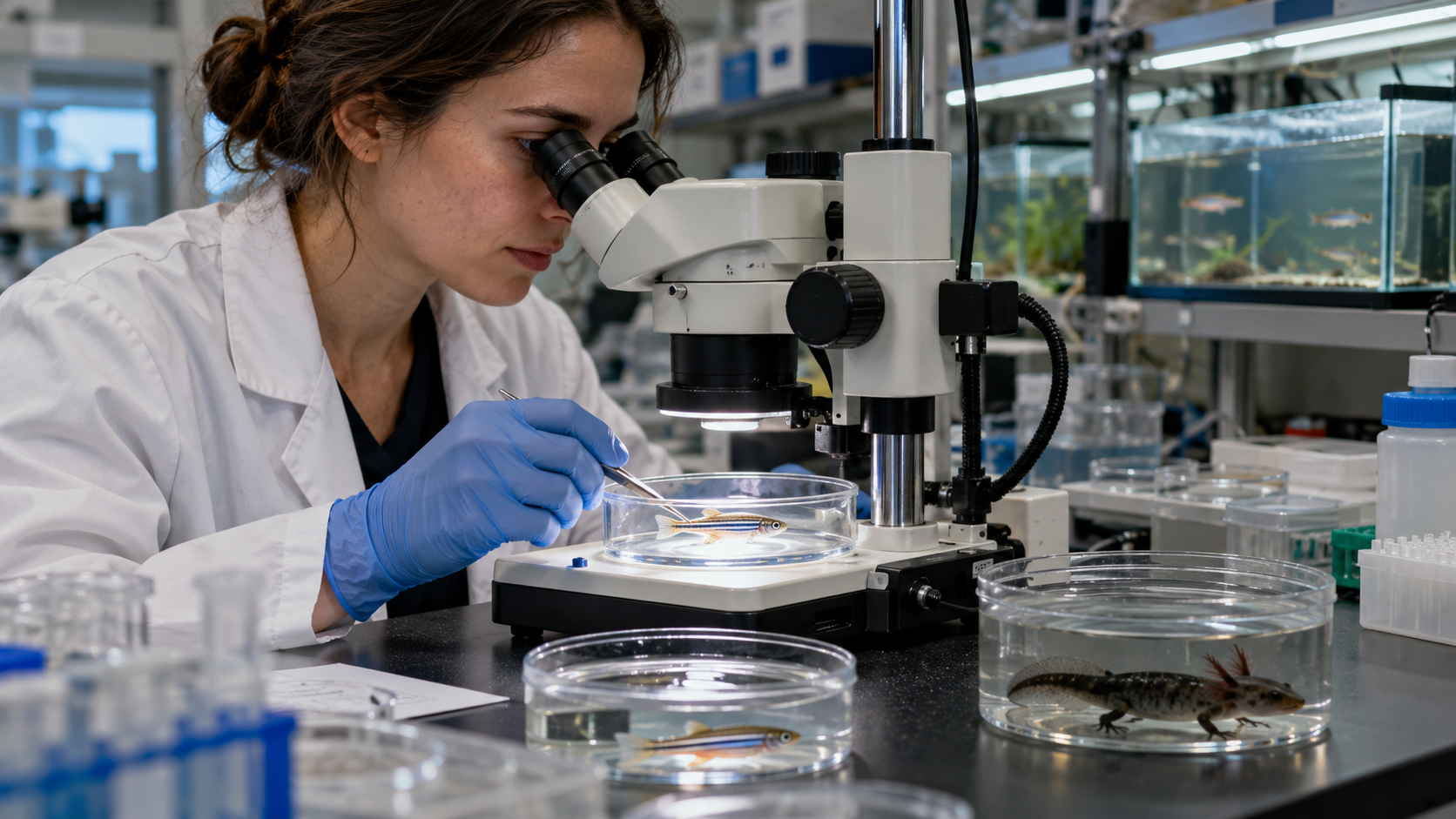
Regeneration coordinates wound closure, immune signals, progenitor cells, patterning cues, and tissue remodeling to rebuild functional structures.
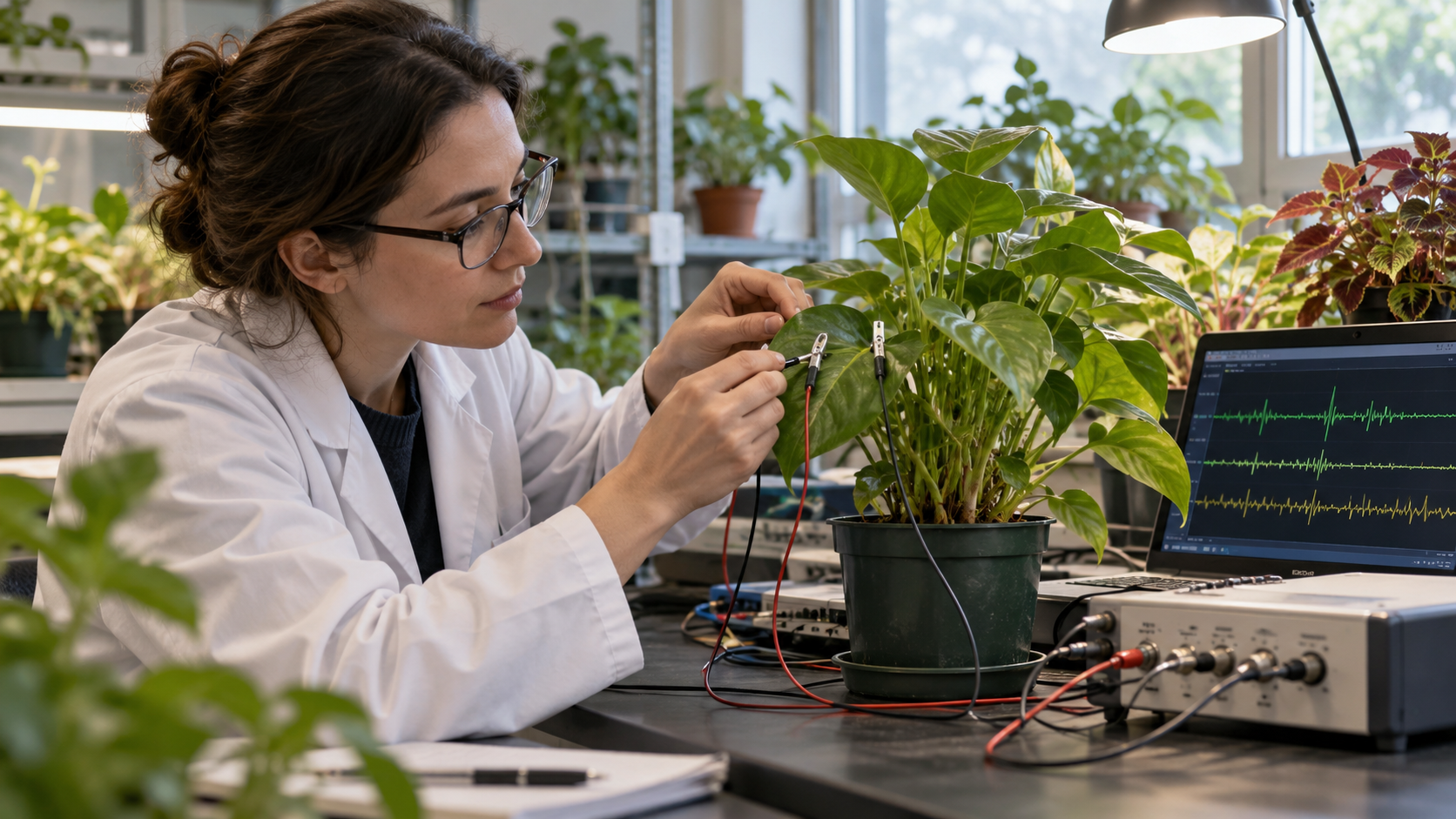
Plants propagate voltage changes through membranes and vascular tissues, linking local stimuli to distant physiological responses without nerves.