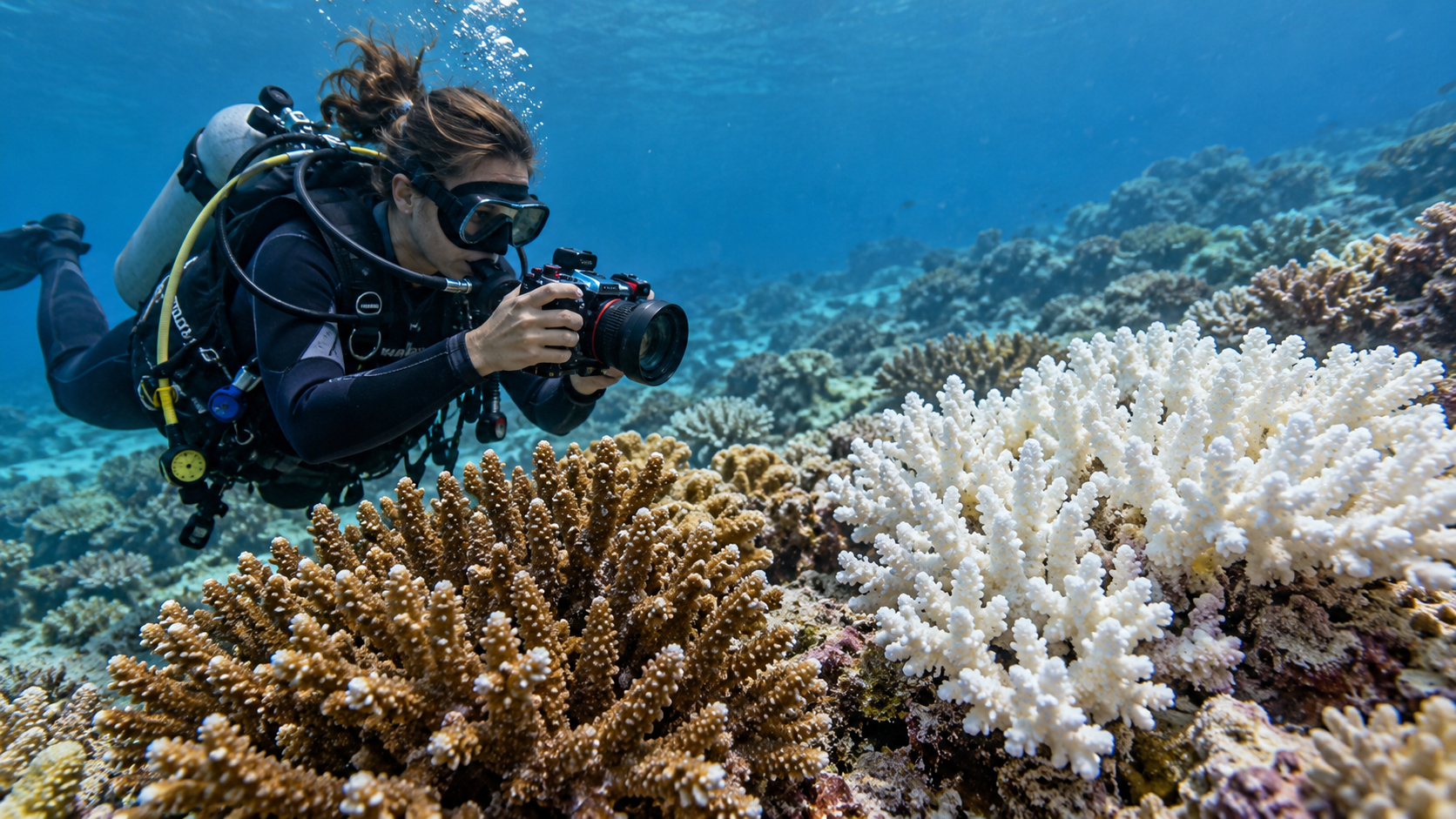
How Coral Bleaching Happens
Coral bleaching occurs when stress disrupts the partnership between coral animals and their photosynthetic algae, causing the coral to lose color and energy.

Don't Just Read it – Explore It

Ice-T says his reduced screen time on this season of “Law & Order: SVU” comes down to budgeting and cast…

Breaking Rust is a computer-generated country artist whose song “Walk My Walk” just hit No. 1 on Billboard’s Country Digital…

Loading… Key Takeaways The Top 10 cutest cat breeds blend striking physical features with warm, affectionate personalities that appeal to…

Elon Musk says artificial intelligence and advanced robotics could make traditional work optional within the next 10–20 years. Speaking at…

The founder of Yara AI, a mental-health chatbot, has shut the app down after concluding it posed unacceptable risks to…

Black Friday isn’t the blockbuster shopping event it once was. Retailers have stretched deals across weeks, foot traffic is flat,…

Mick Jagger, now 82, continues to perform with remarkable stamina thanks to a highly disciplined lifestyle centered on daily movement,…
Coral bleaching occurs when stress disrupts the partnership between coral animals and their photosynthetic algae, causing the coral to lose color and energy.
Pairs of guard cells open and close stomatal pores, balancing carbon dioxide entry for photosynthesis against water loss through transpiration.
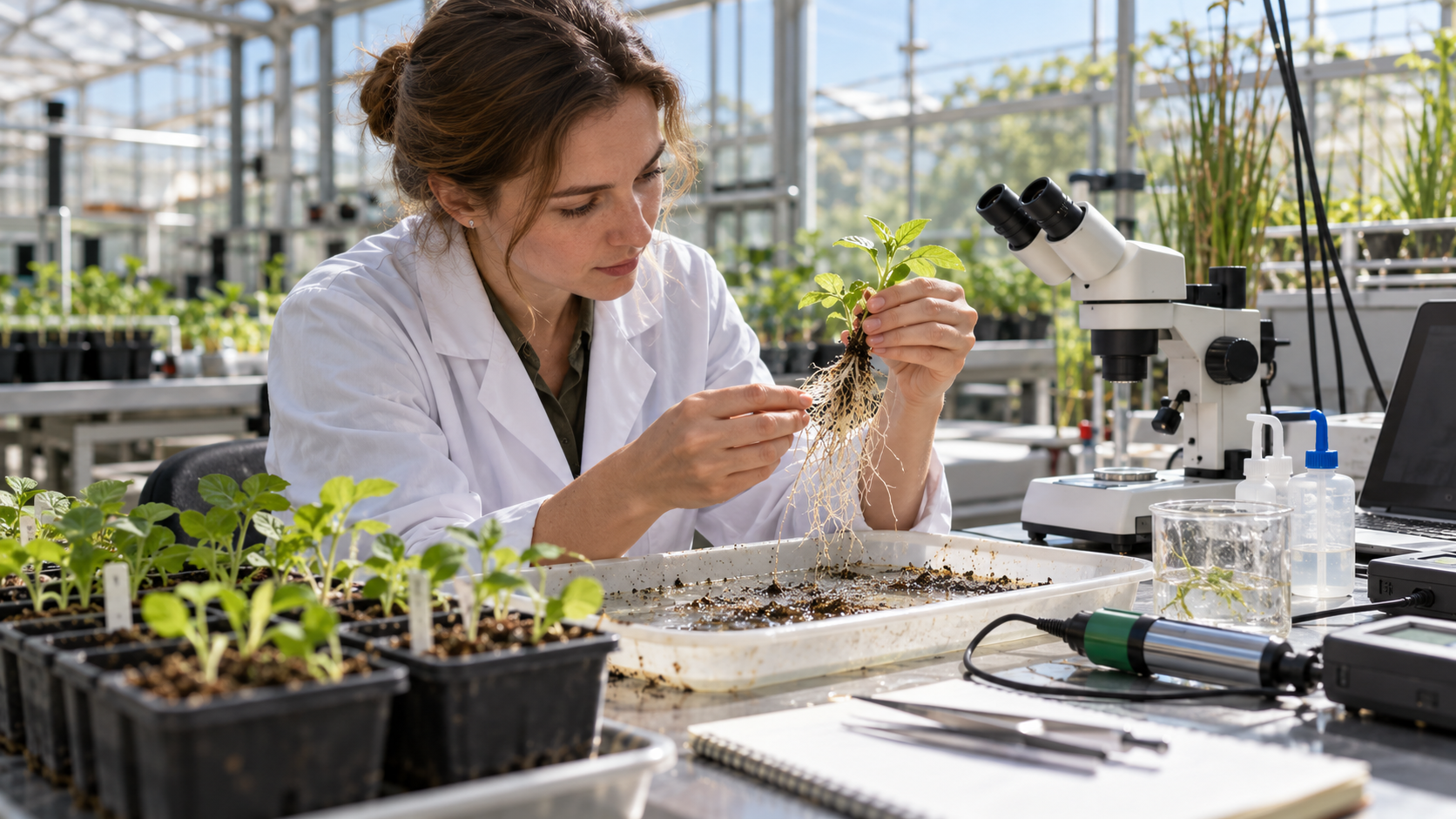
Roots take up water along water-potential gradients and acquire mineral ions through selective membrane transport, often with help from fungi.
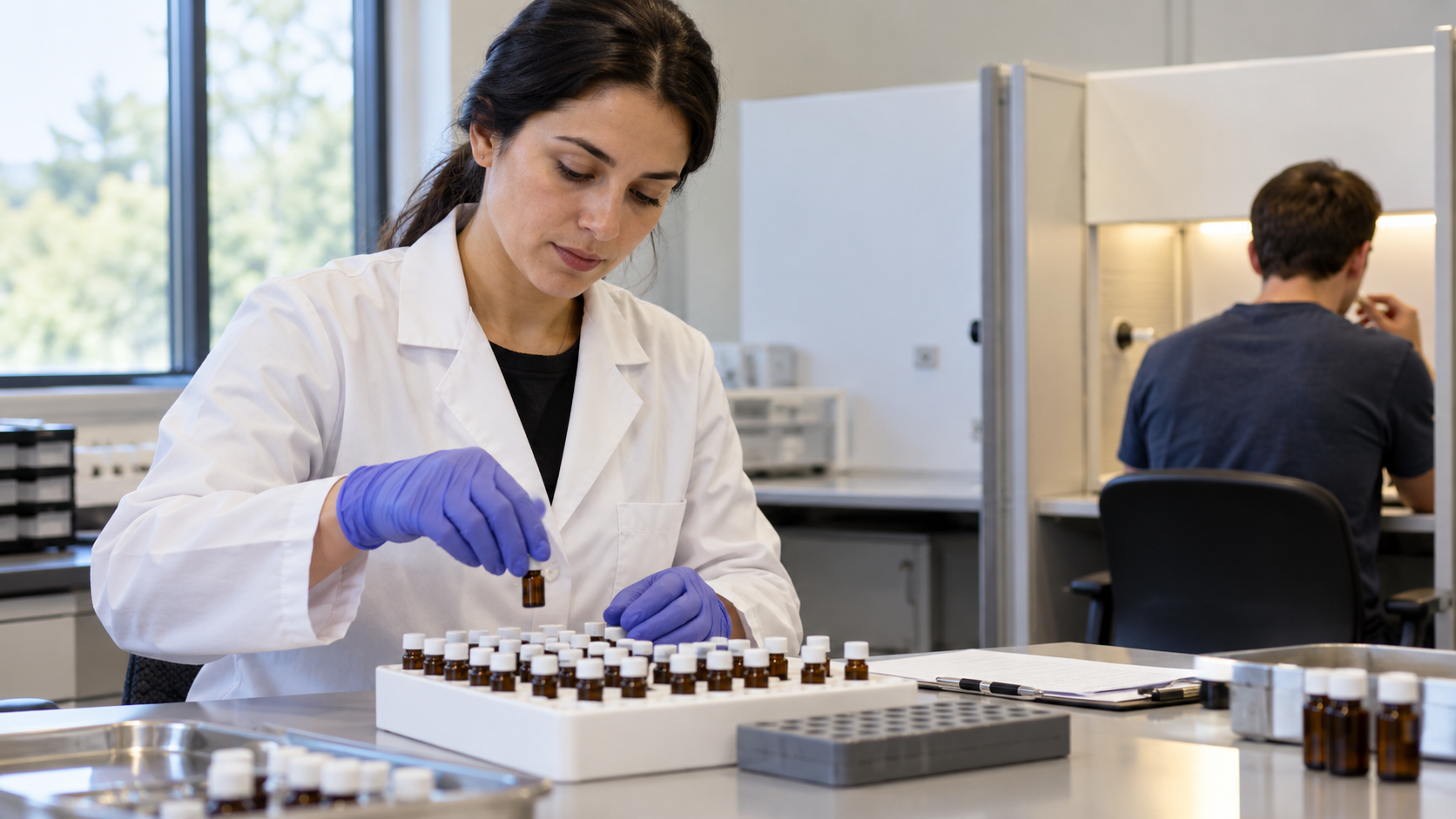
Airborne molecules dissolve in nasal mucus, bind combinations of olfactory receptors, and trigger patterns the brain interprets as odors.
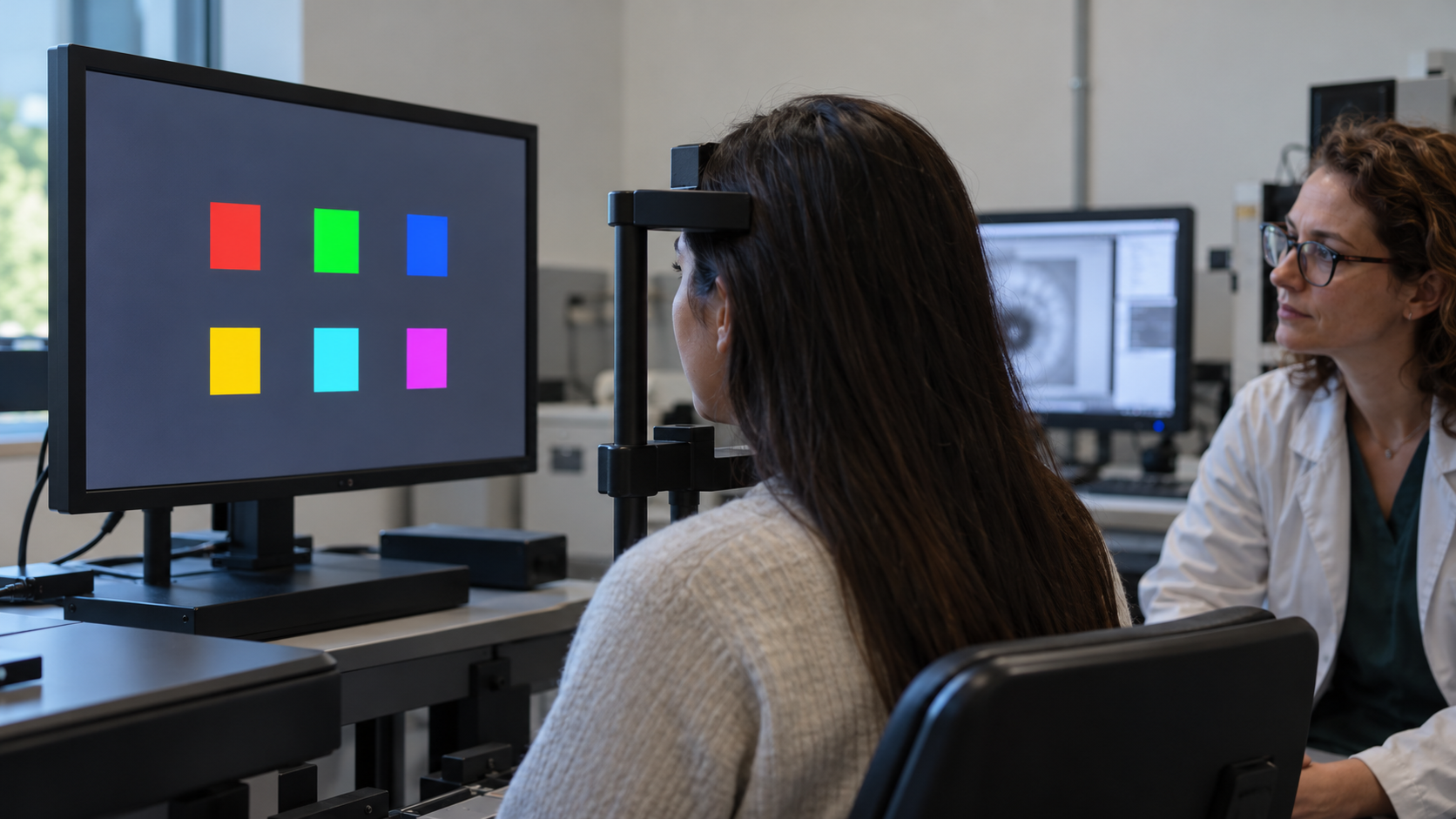
Color vision begins when cone cells compare their overlapping responses to different wavelengths, and brain circuits interpret the pattern in context.
Circadian clocks use self-regulating gene and protein cycles, synchronized by light and other cues, to organize roughly 24-hour rhythms.
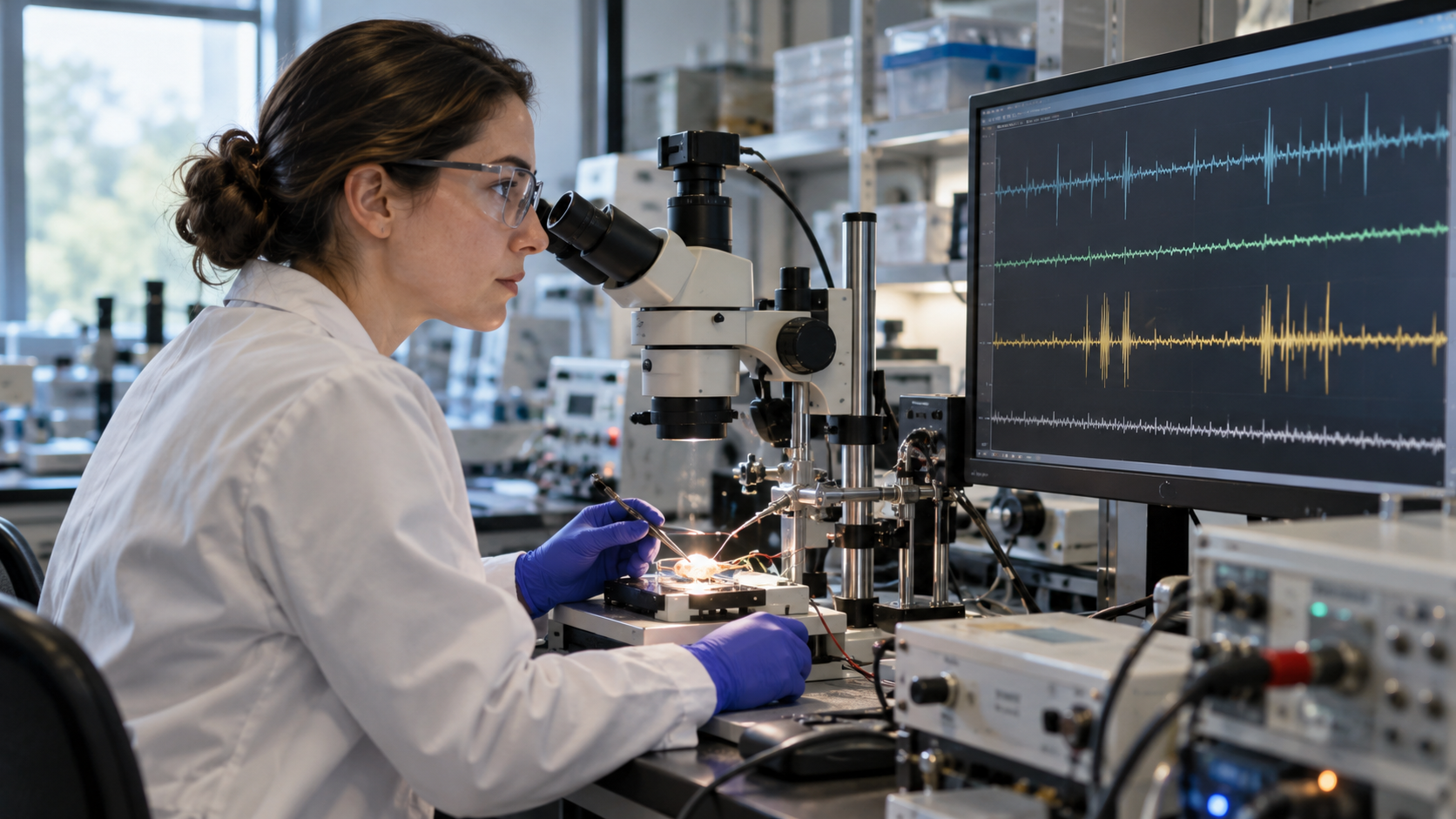
Specialized sensory neurons detect potential tissue damage and send signals through the spinal cord, where networks shape what reaches the brain.
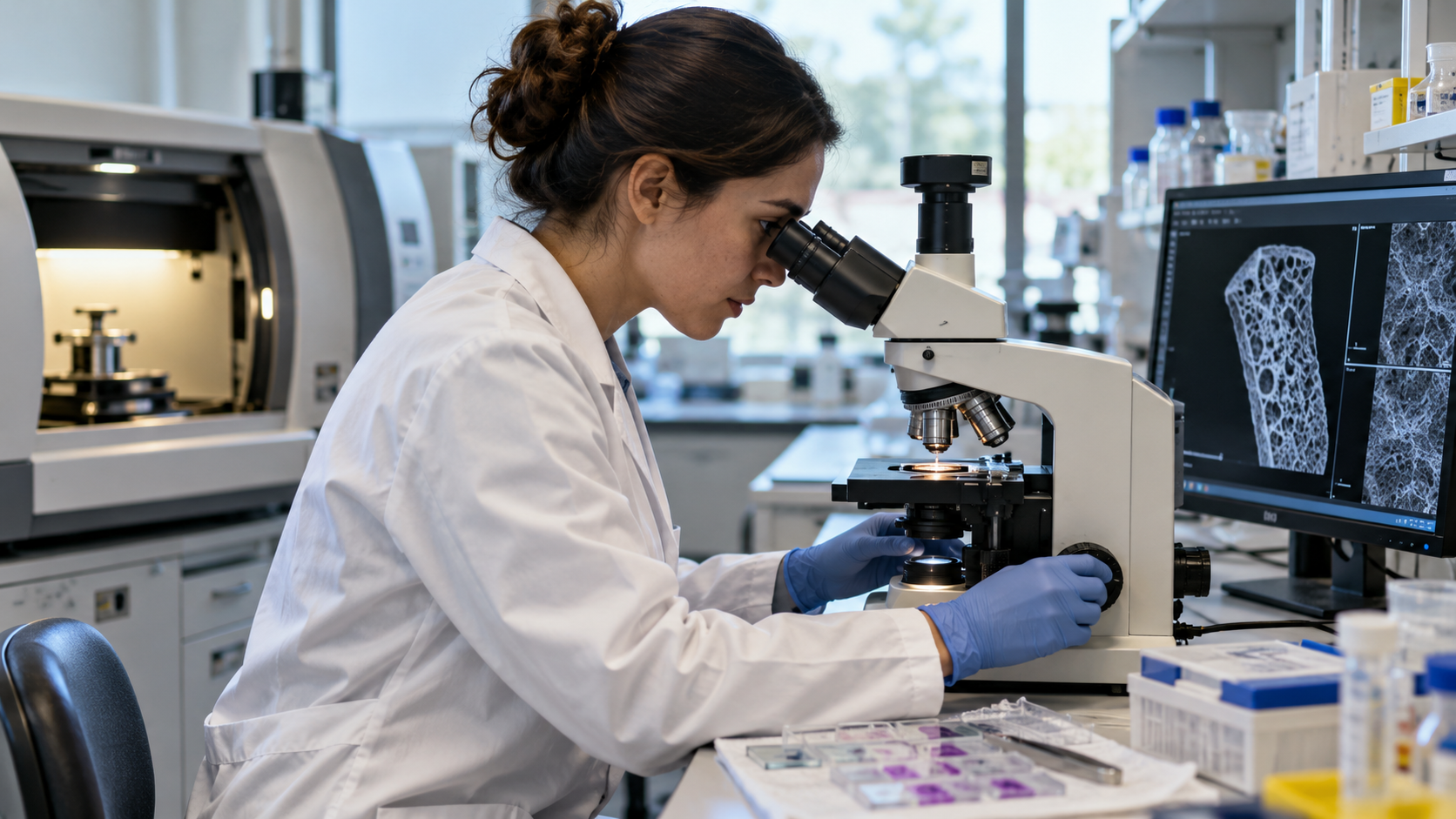
Bones continually replace small packets of old or damaged tissue through coordinated resorption by osteoclasts and formation by osteoblasts.
Pressure generated by the heart and shaped by vessel resistance creates the gradients that drive blood through the circulation.
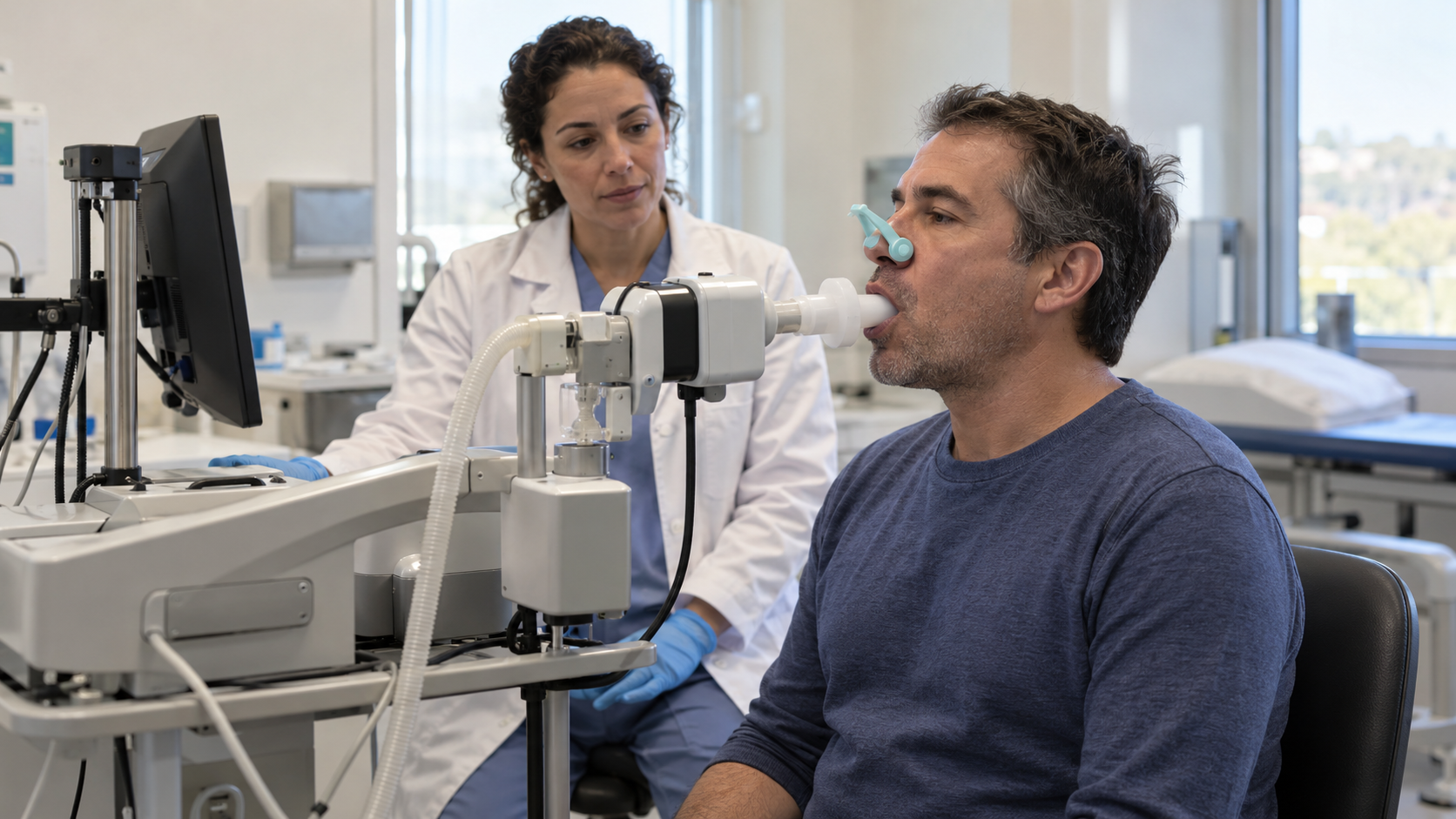
Across the thin alveolar-capillary barrier, oxygen diffuses into blood while carbon dioxide diffuses from blood into the air to be exhaled.
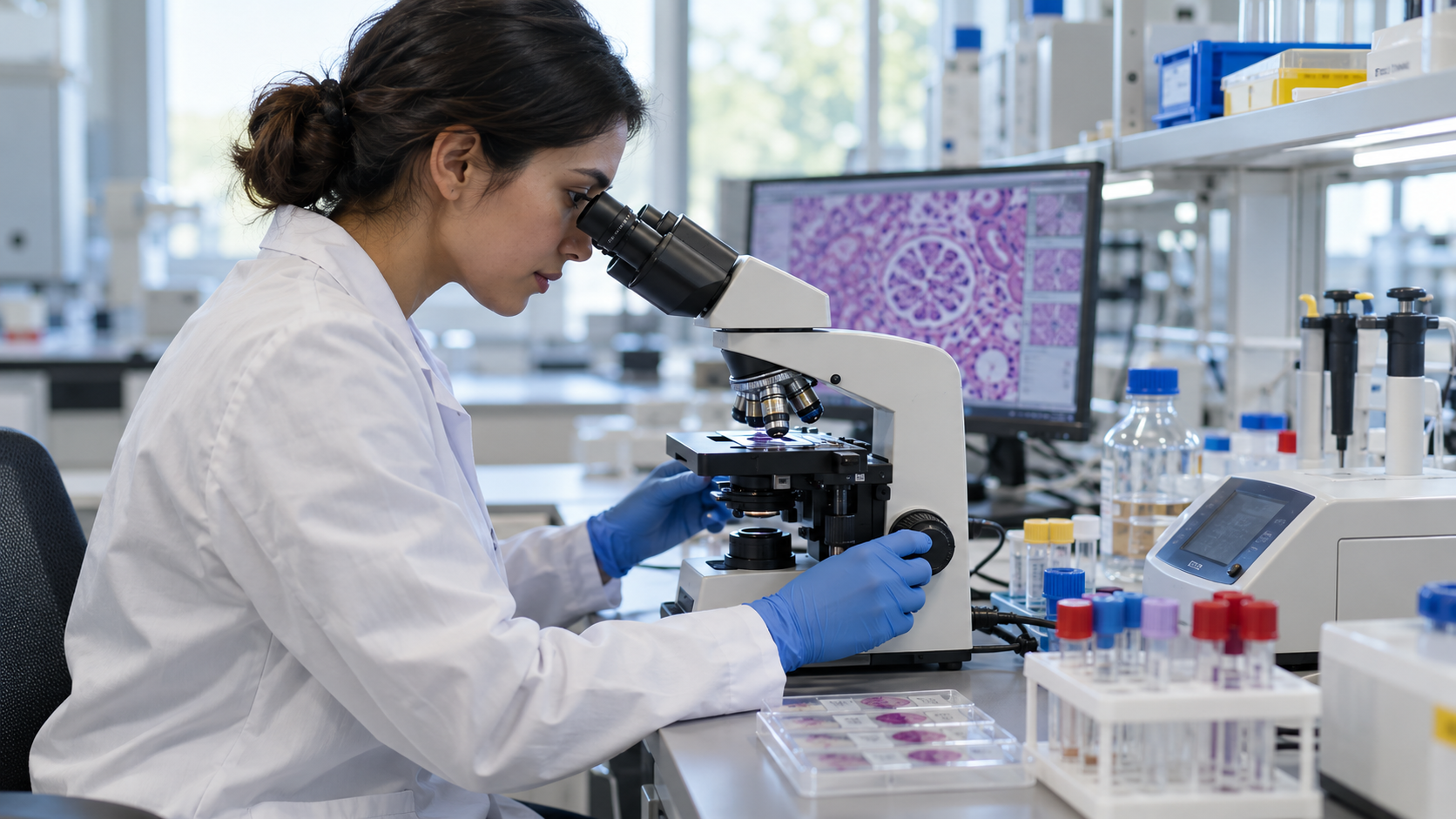
Kidneys filter plasma in microscopic nephrons, reclaim needed water and solutes, secrete additional wastes, and send the remainder to urine.
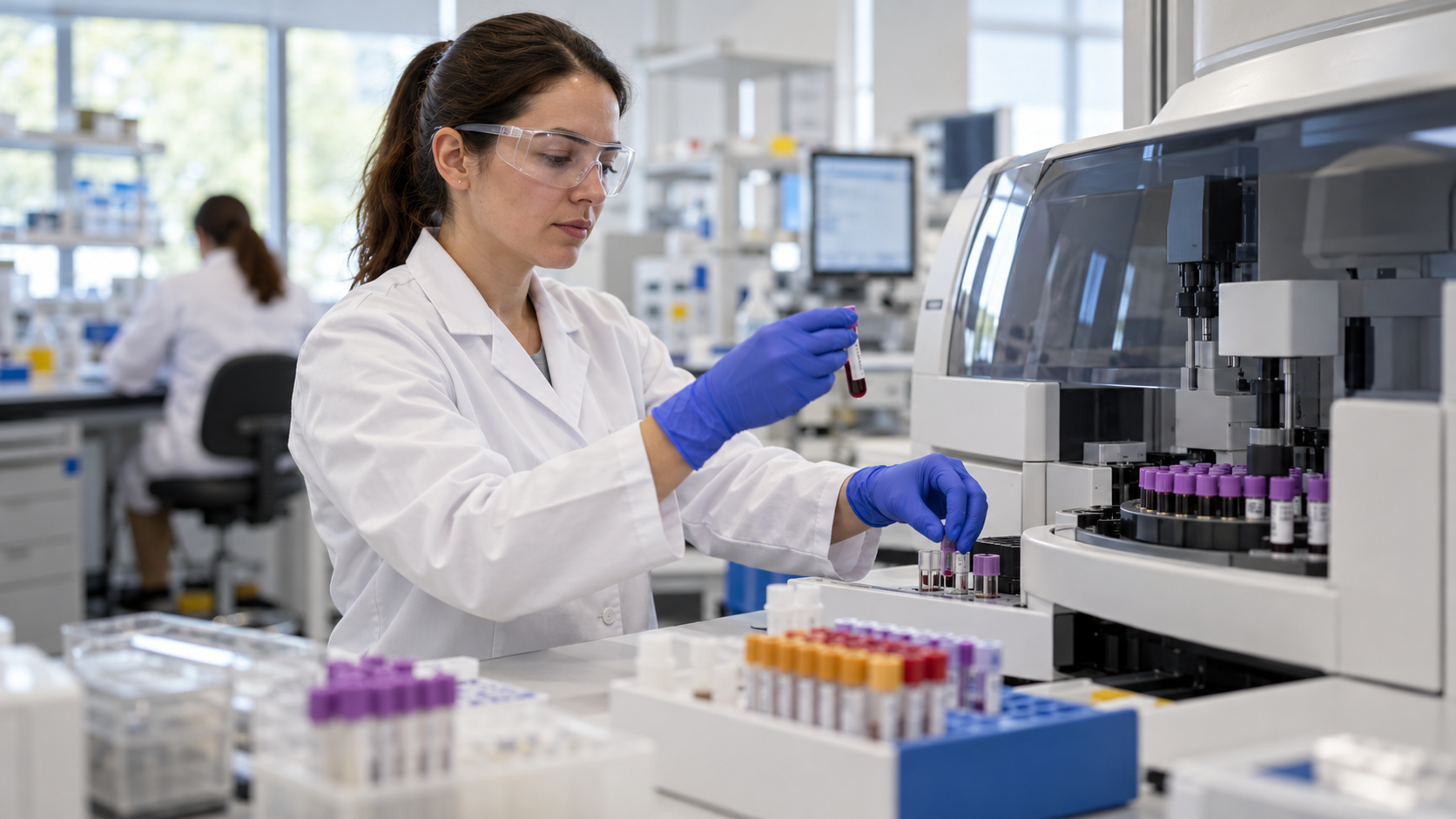
Hormones carry chemical signals through blood or local tissues, binding receptors that change the activity of target cells.