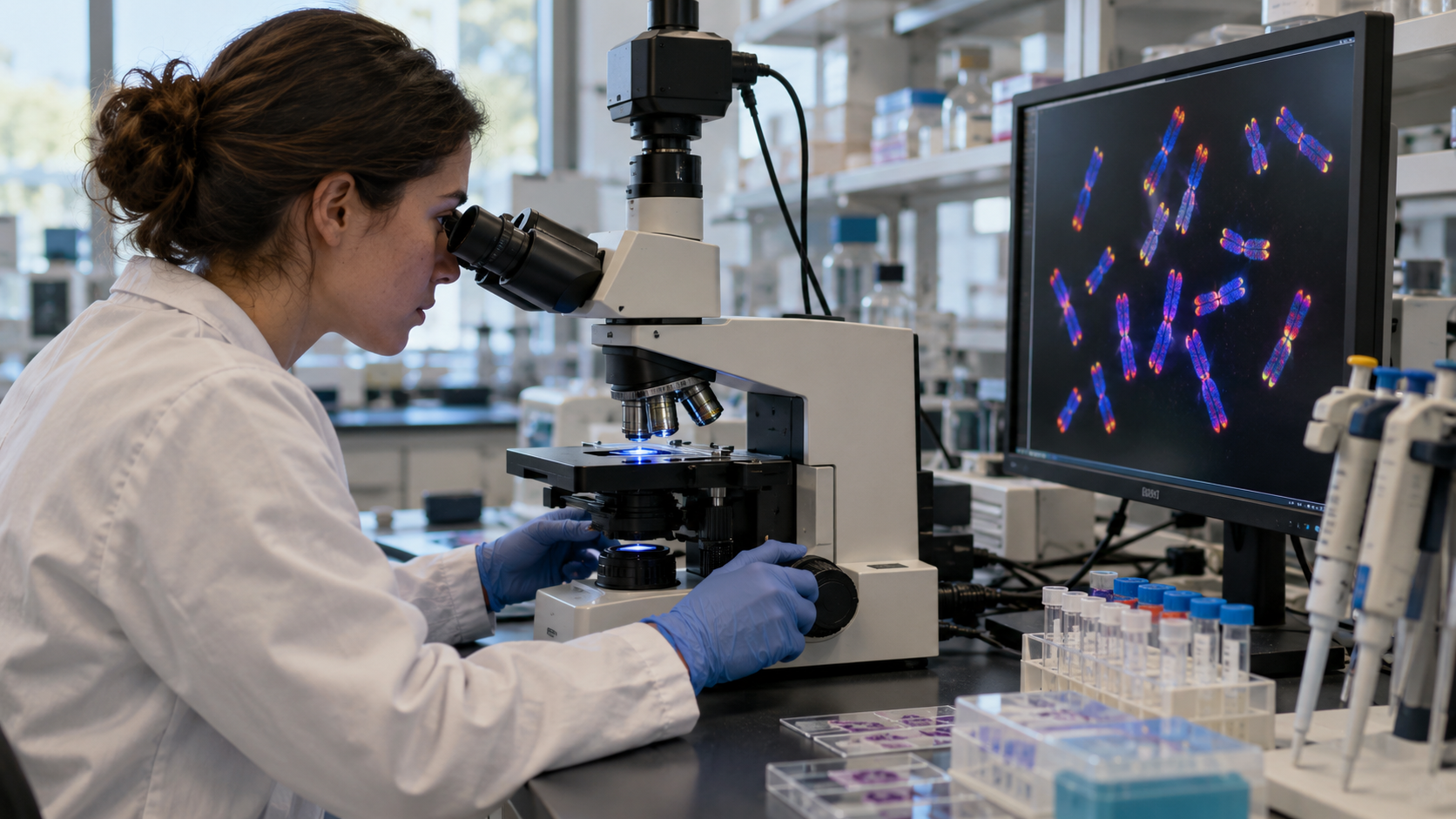
How Telomeres Protect Chromosome Ends
Telomeres are repeated DNA-protein structures that keep natural chromosome ends from being mistaken for broken DNA.

Don't Just Read it – Explore It

Ice-T says his reduced screen time on this season of “Law & Order: SVU” comes down to budgeting and cast…

Breaking Rust is a computer-generated country artist whose song “Walk My Walk” just hit No. 1 on Billboard’s Country Digital…

Loading… Key Takeaways The Top 10 cutest cat breeds blend striking physical features with warm, affectionate personalities that appeal to…

Elon Musk says artificial intelligence and advanced robotics could make traditional work optional within the next 10–20 years. Speaking at…

The founder of Yara AI, a mental-health chatbot, has shut the app down after concluding it posed unacceptable risks to…

Black Friday isn’t the blockbuster shopping event it once was. Retailers have stretched deals across weeks, foot traffic is flat,…

Mick Jagger, now 82, continues to perform with remarkable stamina thanks to a highly disciplined lifestyle centered on daily movement,…
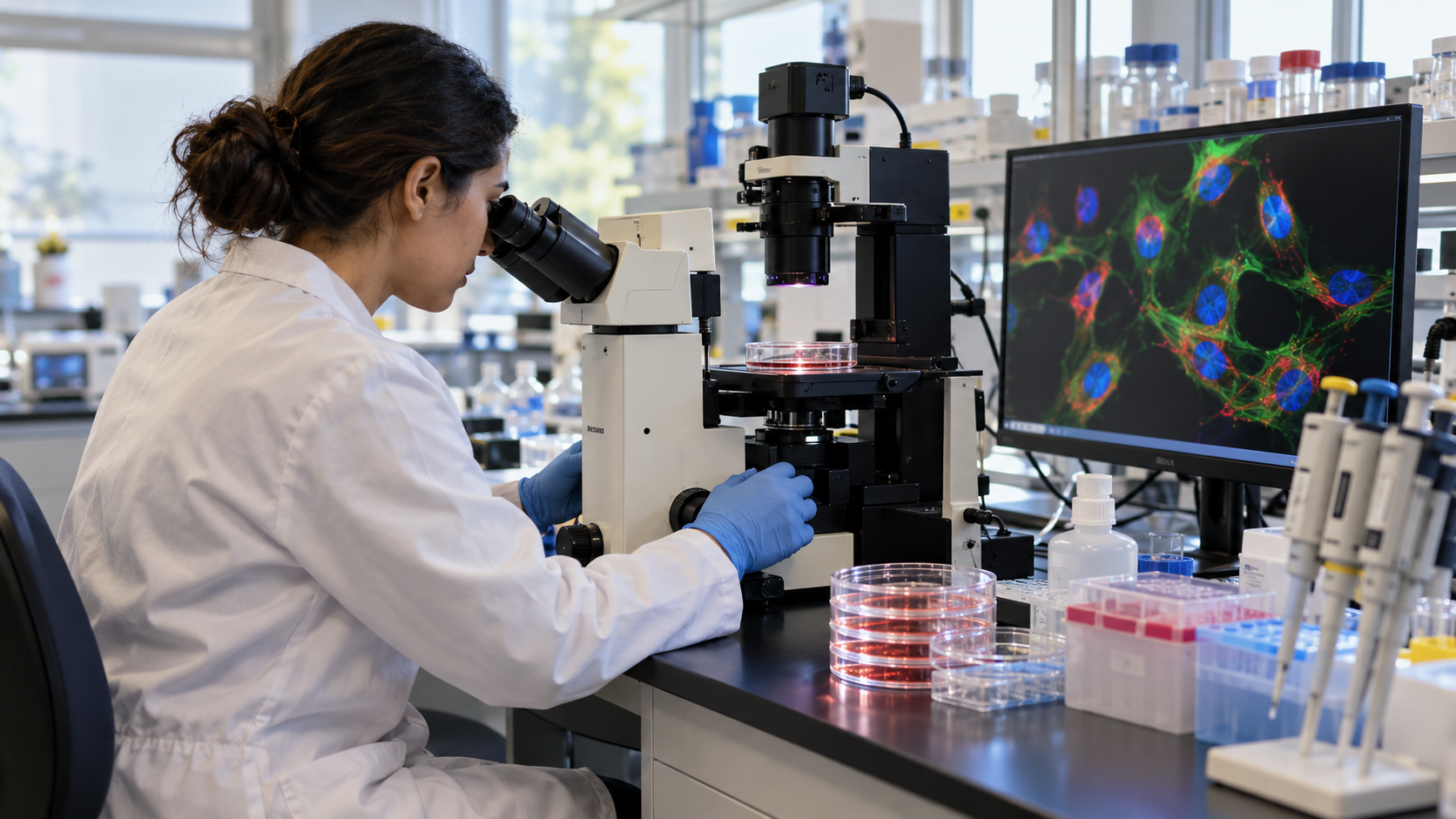
Telomeres are repeated DNA-protein structures that keep natural chromosome ends from being mistaken for broken DNA.
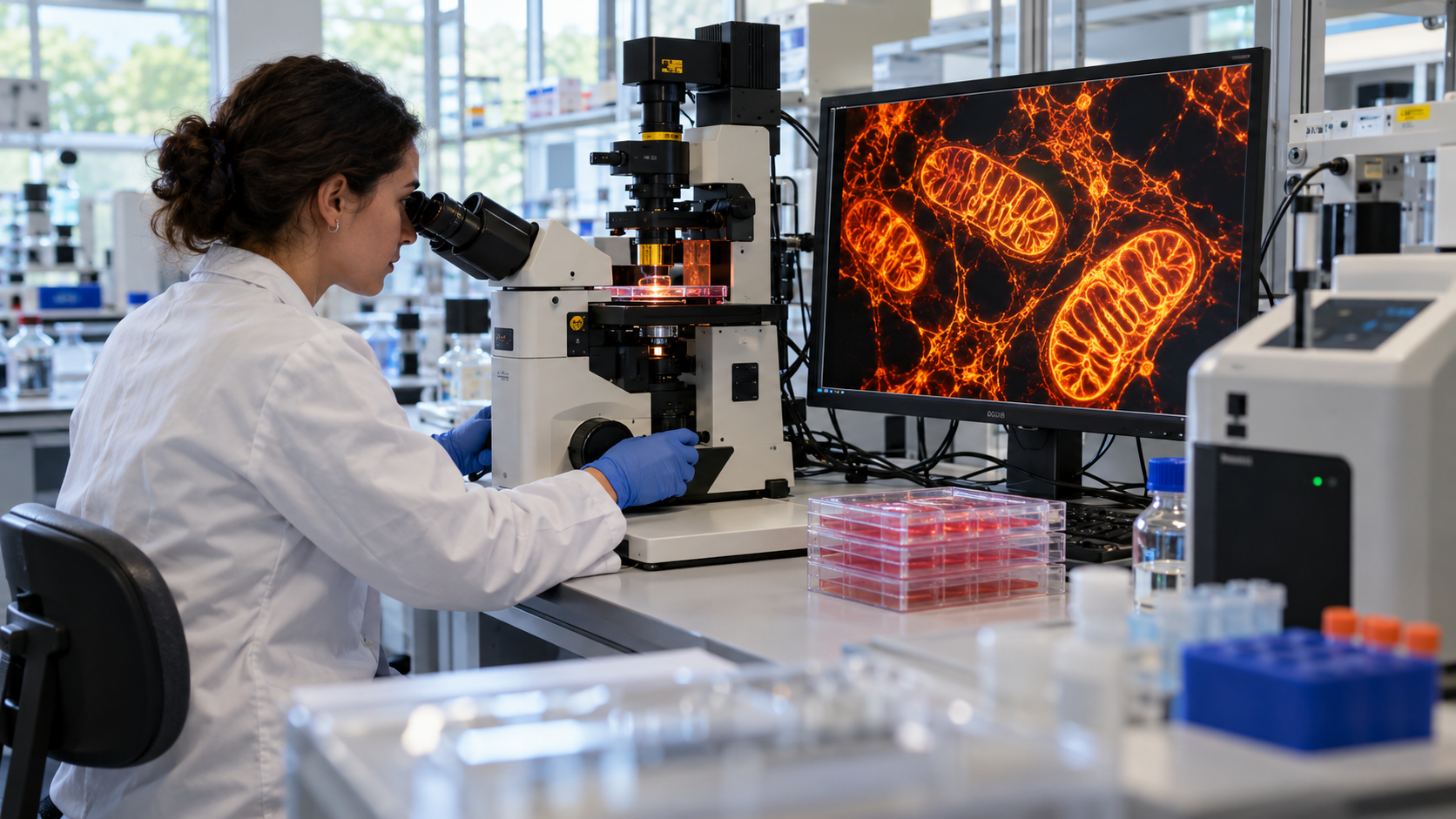
Mitochondria transfer energy from food-derived electrons into a proton gradient that drives ATP synthase to make ATP.
DNA repair systems recognize damaged or mismatched bases, remove or reverse the lesion, rebuild the strand, and seal the backbone.
Cell membranes use a lipid barrier, selective channels, carriers, and energy-driven pumps to regulate the movement of molecules and ions.
The ocean absorbs carbon dioxide, forming carbonic acid that lowers pH and reduces carbonate ions used by many shell-building organisms.
The ocean absorbs carbon dioxide, forming carbonic acid that lowers pH and reduces carbonate ions used by many shell-building organisms.
The ocean absorbs carbon dioxide, forming carbonic acid that lowers pH and reduces carbonate ions used by many shell-building organisms.
The ocean absorbs carbon dioxide, forming carbonic acid that lowers pH and reduces carbonate ions used by many shell-building organisms.
The ocean absorbs carbon dioxide, forming carbonic acid that lowers pH and reduces carbonate ions used by many shell-building organisms.
The ocean absorbs carbon dioxide, forming carbonic acid that lowers pH and reduces carbonate ions used by many shell-building organisms.
The ocean absorbs carbon dioxide, forming carbonic acid that lowers pH and reduces carbonate ions used by many shell-building organisms.
The ocean absorbs carbon dioxide, forming carbonic acid that lowers pH and reduces carbonate ions used by many shell-building organisms.