Qualified Immunity
Qualified immunity can protect government officials from civil damages when the governing legal standard is not met.

Don't Just Read it – Explore It

Ice-T says his reduced screen time on this season of “Law & Order: SVU” comes down to budgeting and cast…

Breaking Rust is a computer-generated country artist whose song “Walk My Walk” just hit No. 1 on Billboard’s Country Digital…

Loading… Key Takeaways The Top 10 cutest cat breeds blend striking physical features with warm, affectionate personalities that appeal to…

Elon Musk says artificial intelligence and advanced robotics could make traditional work optional within the next 10–20 years. Speaking at…

The founder of Yara AI, a mental-health chatbot, has shut the app down after concluding it posed unacceptable risks to…

Black Friday isn’t the blockbuster shopping event it once was. Retailers have stretched deals across weeks, foot traffic is flat,…

Mick Jagger, now 82, continues to perform with remarkable stamina thanks to a highly disciplined lifestyle centered on daily movement,…
Qualified immunity can protect government officials from civil damages when the governing legal standard is not met.
Plea bargaining involves an agreement concerning a defendant’s plea and the prosecution’s commitments in a criminal case.
Jury selection combines a community-based pool with procedures intended to seat impartial jurors for a particular trial.
A federal grand jury examines evidence to decide whether probable cause supports criminal charges.
The International Criminal Court investigates and tries individuals for specified grave international crimes within its jurisdiction.
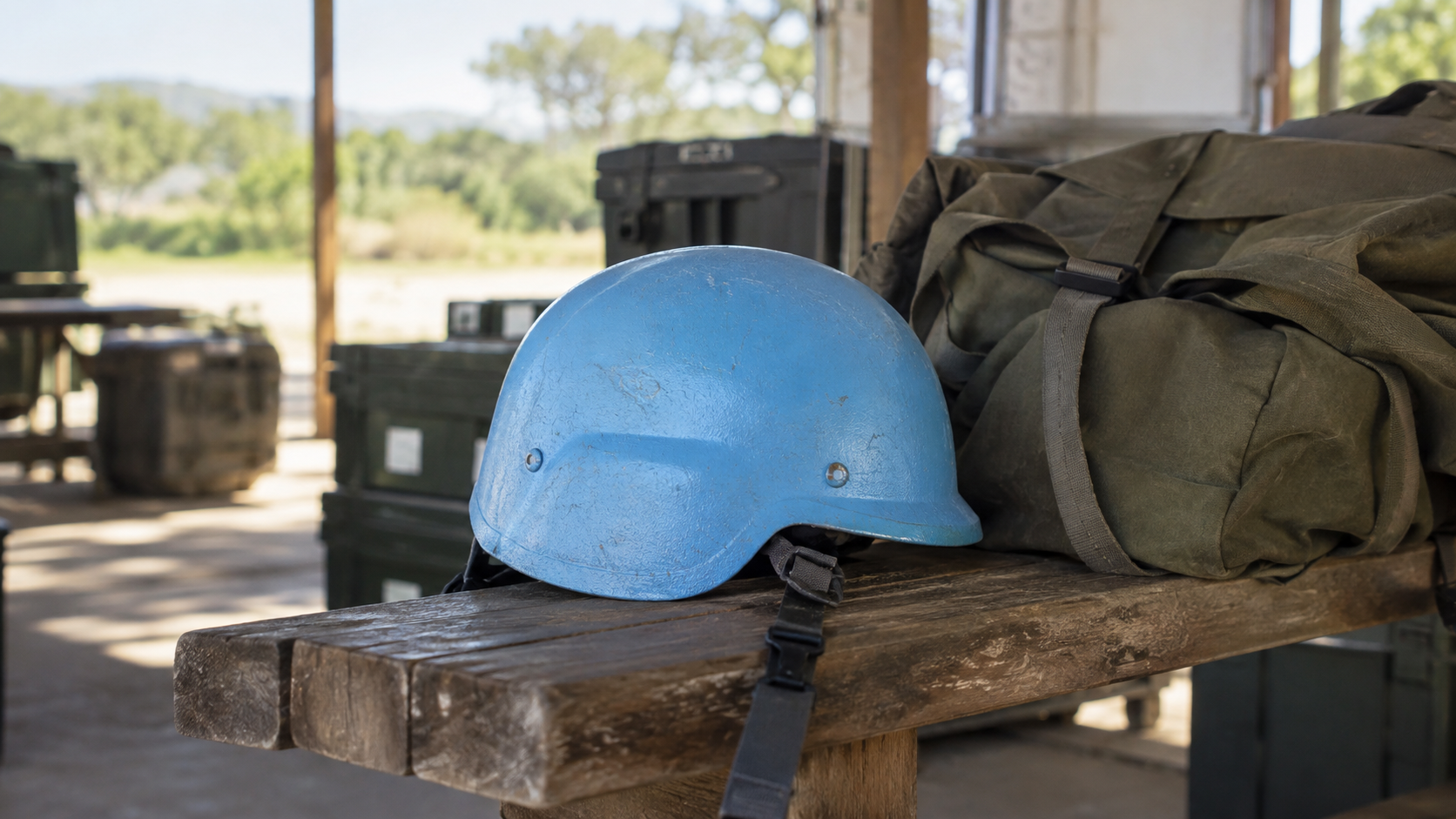
UN peacekeeping supports peace processes through missions with defined mandates and international personnel.
Civil contempt seeks compliance or compensation, while criminal contempt punishes completed misconduct against a court’s authority.
Non-refoulement limits transfers to places where a person would face persecution, torture, or other prohibited harm under the applicable law.
Refugee status identifies people who meet legal protection criteria after crossing an international border and being unable to return safely.
International humanitarian law sets limits on how armed conflicts are fought and protects people who are not taking part in hostilities.
Consular assistance connects eligible nationals abroad with practical support, subject to host-country law and the services a government provides.
Diplomatic mediation uses a third party to help disputing parties negotiate, while the parties retain responsibility for an agreement.