

On This Day in AI: April 6, 2022
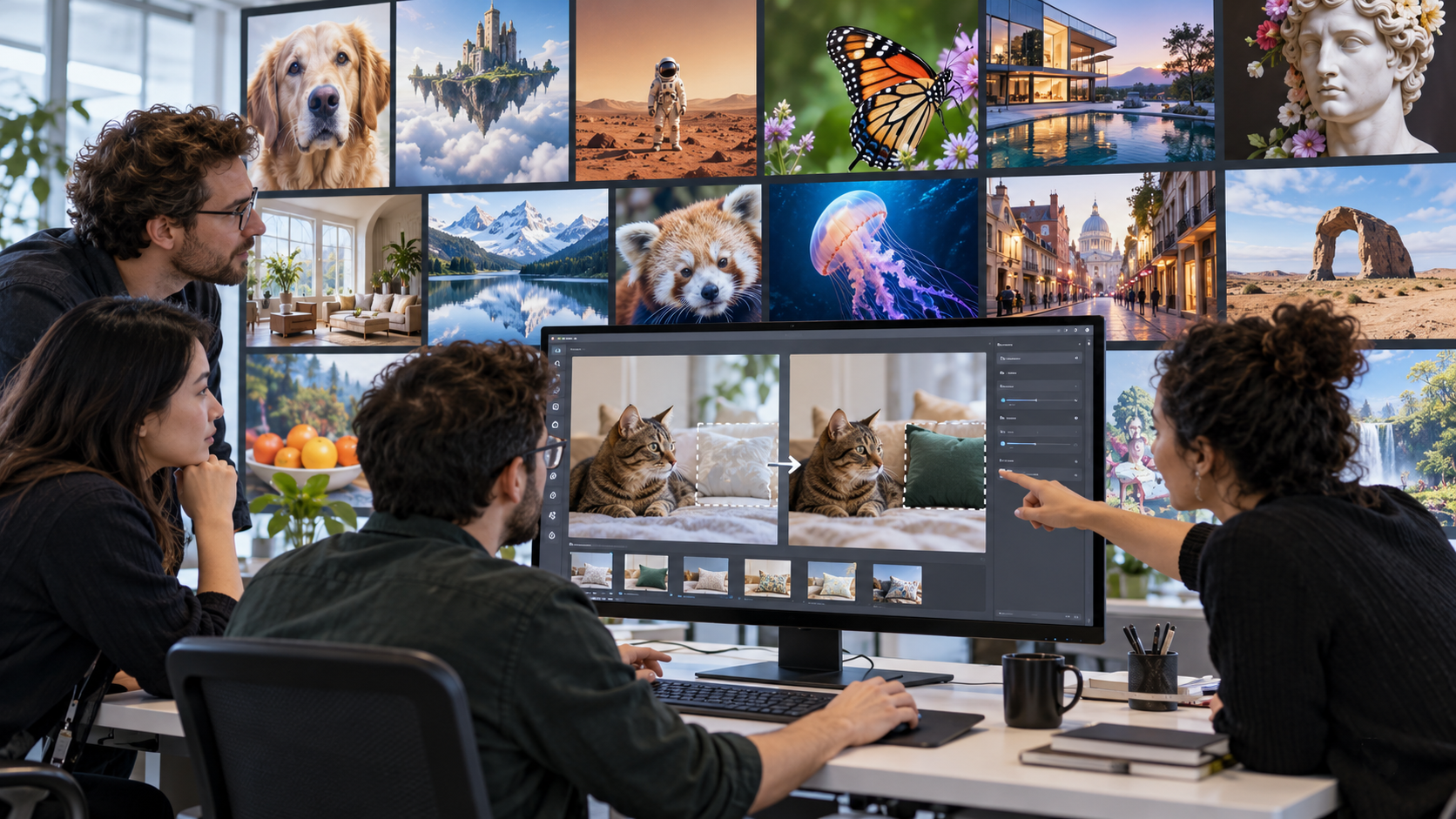
On April 6, 2022, OpenAI introduced DALL-E 2, a text-to-image system that generated detailed 1,024-pixel images and could edit existing pictures through inpainting and variations. The model combined CLIP representations with diffusion-based generation, producing far more realistic and coherent scenes than the first DALL-E. Early text-to-image models could render playful concepts but often struggled with composition, resolution, and photographic detail. Researchers were discovering that diffusion methods offered a powerful alternative to adversarial networks for turning language descriptions into visual content. The date matters because it turned a fast-moving technical or policy development into a visible milestone that people, institutions, and researchers could evaluate.
The substance of OpenAI’s introduction of DALL-E 2 was as important as the headline. DALL-E 2 mapped text and images into a shared representation, generated an image embedding from the prompt, and decoded it through diffusion. OpenAI began with a restricted research preview, filtered sensitive content, limited photorealistic faces, and studied misuse before gradually widening access. Those choices reveal what the people behind the milestone believed was necessary at the time. AI history rarely advances through one breakthrough alone; research, product design, infrastructure, governance, and access all shape what a system can become.
The immediate consequences reached beyond the organization at the center of the event. The demonstration transformed public expectations for generative media. Designers, artists, educators, and product teams saw that ordinary language could direct sophisticated image creation and editing, while debates accelerated around copyright, training data, consent, authenticity, and creative labor. The moment also invited scrutiny, because new capabilities create new dependencies. Reliability, safety, cost, privacy, and human control determine whether an impressive demonstration becomes a trustworthy part of everyday life. Those practical limits are essential to understanding both the achievement and the response it received.
In retrospect, DALL-E 2 helped ignite the mainstream text-to-image boom alongside systems such as Midjourney and Stable Diffusion. It established image generation as a central frontier of multimodal AI and made staged deployment and content safeguards part of the product story. Looking back from today’s rapidly changing AI landscape, this event belongs to a larger transition from specialized machine-learning experiments to systems embedded in ordinary products, workplaces, institutions, and public decisions. Its enduring lesson is that technical progress becomes historically significant when it changes what people can do and what society expects next. That connection between capability and consequence gives the milestone its lasting relevance. The anniversary therefore records a turning point, not simply an announcement.
OpenAI introduced DALL-E 2, a text-to-image system that generated detailed 1,024-pixel images and could edit existing pictures through inpainting and variations. The model combined CLIP representations with diffusion-based generation, producing far more realistic and coherent scenes than the first DALL-E.
DALL-E 2 mapped text and images into a shared representation, generated an image embedding from the prompt, and decoded it through diffusion. OpenAI began with a restricted research preview, filtered sensitive content, limited photorealistic faces, and studied misuse before gradually widening access.
The demonstration transformed public expectations for generative media. Designers, artists, educators, and product teams saw that ordinary language could direct sophisticated image creation and editing, while debates accelerated around copyright, training data, consent, authenticity, and creative labor.
The event connected a concrete technical, commercial, or policy decision with the wider development of artificial intelligence.
DALL-E 2 helped ignite the mainstream text-to-image boom alongside systems such as Midjourney and Stable Diffusion. It established image generation as a central frontier of multimodal AI and made staged deployment and content safeguards part of the product story.
Its influence can be traced through later products, research, governance, or industry practice.
Explore more of "On This Day ..."
Discover more events from the same date across news, politics, technology, sports, and other fields. Each link highlights significant moments that shaped history on different fronts.