

On This Day in AI: May 20, 2024
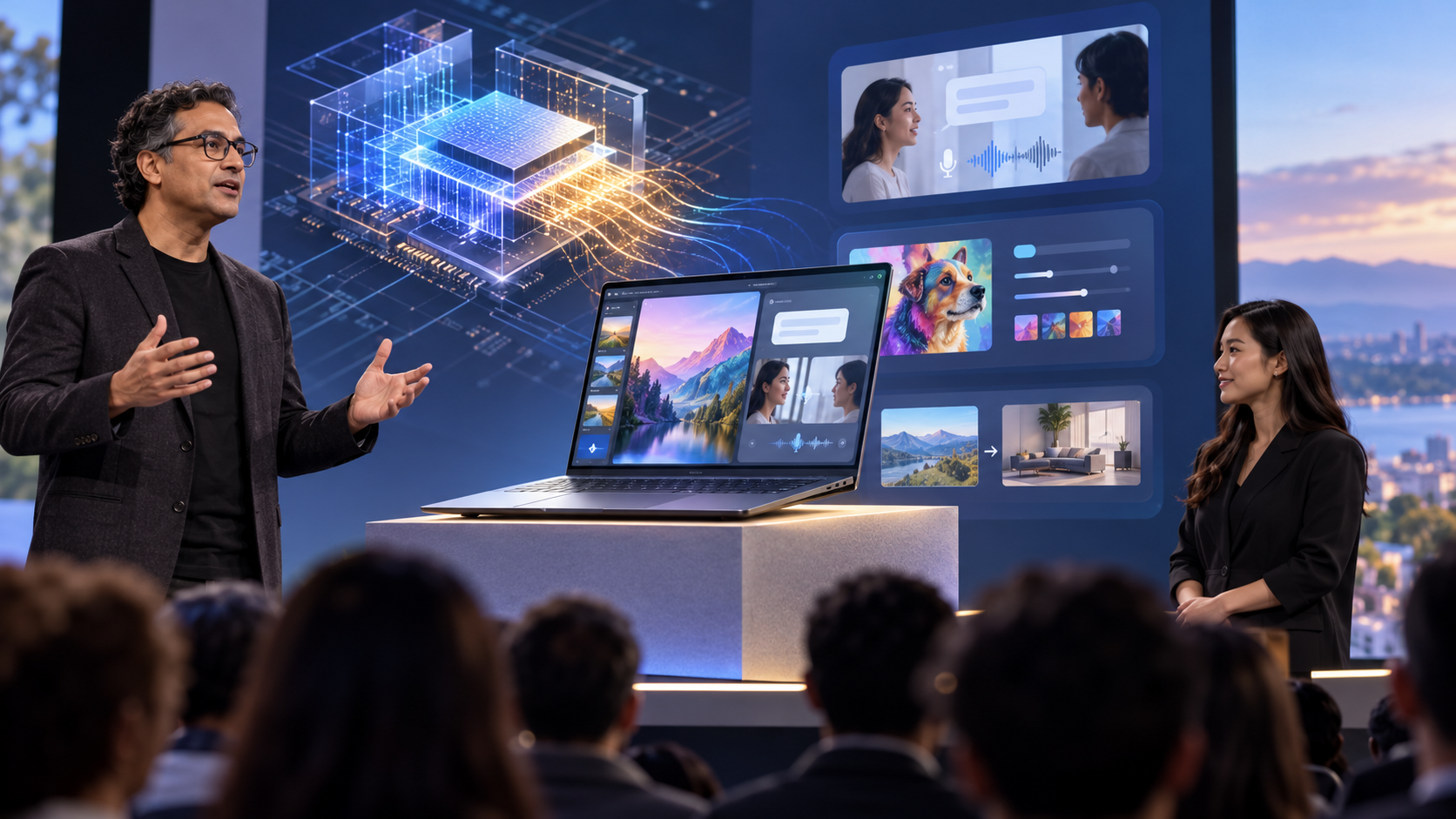
On May 20, 2024, Microsoft introduced Copilot+ PCs, a new Windows hardware category built around processors with neural processing units capable of more than forty trillion operations per second. The company previewed local AI experiences including Recall, Cocreator, and live translation. Most generative-AI services ran in remote datacenters, but personal computers were gaining dedicated accelerators. On-device inference promised lower latency, offline operation, and better control over some personal data while forcing software to work within power and memory limits. The date matters because it turned a fast-moving technical, policy, or commercial development into a visible milestone that people and institutions could evaluate.
The substance of Microsoft’s introduction of Copilot+ PCs was as important as the headline. The first systems used Qualcomm Snapdragon X processors and were joined by models from major manufacturers. Windows coordinated CPU, GPU, and NPU resources, while a new runtime gave developers access to local models and hardware acceleration. Those choices reveal what the people behind the milestone believed was necessary at the time. AI history rarely advances through one breakthrough alone; research, infrastructure, product design, governance, and access all shape what a system can become.
The immediate consequences reached beyond the organization at the center of the event. The announcement made AI performance a defining specification for consumer PCs and accelerated competition among chipmakers. Recall also triggered substantial privacy criticism, demonstrating that local processing does not remove the need for careful defaults, security, and user consent. The moment also invited scrutiny, because new capabilities create new dependencies. Reliability, safety, cost, privacy, and human control determine whether an impressive demonstration becomes a trustworthy part of everyday life. Those practical limits are essential to understanding both the achievement and the response it received.
In retrospect, NPUs became standard across new computers, and operating systems increasingly combined local and cloud models. Copilot+ PCs marked the moment the AI race reached the architecture, marketing, and everyday workflow of the personal computer itself. Looking back from today’s rapidly changing AI landscape, this event belongs to a larger transition from specialized machine-learning experiments to systems embedded in ordinary products, workplaces, institutions, and public decisions. Its enduring lesson is that technical progress becomes historically significant when it changes what people can do and what society expects next. It also reminds us that every celebrated capability is shaped by the data, institutions, hardware, and human judgment surrounding it. The anniversary therefore records a turning point, not simply an announcement.
Microsoft introduced Copilot+ PCs, a new Windows hardware category built around processors with neural processing units capable of more than forty trillion operations per second. The company previewed local AI experiences including Recall, Cocreator, and live translation.
The first systems used Qualcomm Snapdragon X processors and were joined by models from major manufacturers. Windows coordinated CPU, GPU, and NPU resources, while a new runtime gave developers access to local models and hardware acceleration.
The announcement made AI performance a defining specification for consumer PCs and accelerated competition among chipmakers. Recall also triggered substantial privacy criticism, demonstrating that local processing does not remove the need for careful defaults, security, and user consent.
The event connected a concrete technical, commercial, or policy decision with the wider development of artificial intelligence.
NPUs became standard across new computers, and operating systems increasingly combined local and cloud models. Copilot+ PCs marked the moment the AI race reached the architecture, marketing, and everyday workflow of the personal computer itself.
Its influence can be traced through later products, research, governance, or industry practice.
Explore more of "On This Day ..."
Discover more events from the same date across news, politics, technology, sports, and other fields. Each link highlights significant moments that shaped history on different fronts.