

On This Day in AI: July 30, 2026
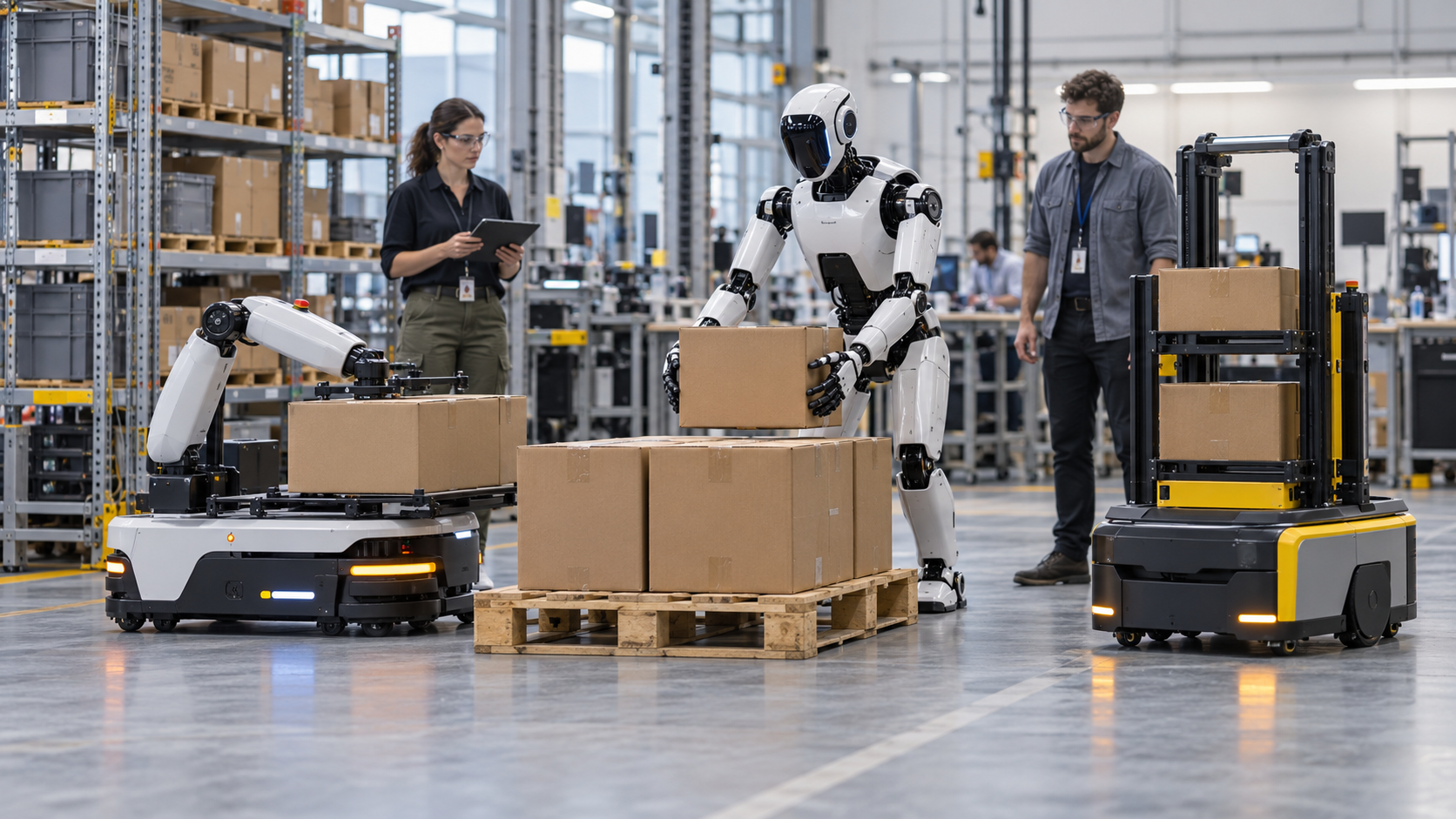
On July 30, 2026, Google DeepMind introduced Gemini Robotics ER 2 as a high-level reasoning model for physical agents. It could interpret continuous video, plan multi-step tasks, call tools, monitor progress, and coordinate different robots while delegating motor control to lower-level action models. Useful robots needed more than object recognition or isolated motion policies. They had to reason fast enough for the physical world, notice failures, determine when a step was complete, and adapt plans while people and other machines moved nearby. The date matters because it turned a fast-moving technical, policy, or commercial development into a visible milestone that people and institutions could evaluate.
The substance of Google DeepMind’s release of Gemini Robotics ER 2 was as important as the headline. ER 2 was based on Gemini 3.5 Flash and supported streaming text, image, video, and audio inputs. Google made it available through AI Studio and the Gemini API, published a model card, and reported gains in progress tracking, moment finding, tool orchestration, and safety benchmarks. Those choices reveal what the people behind the milestone believed was necessary at the time. AI history rarely advances through one breakthrough alone; research, infrastructure, product design, governance, and access all shape what a system can become.
The immediate consequences reached beyond the organization at the center of the event. The release brought frontier multimodal reasoning closer to practical robotics development through a familiar API. It also separated high-level embodied planning from hardware-specific control, allowing one reasoning layer to work with different robots and tools. The moment also invited scrutiny, because new capabilities create new dependencies. Reliability, safety, cost, privacy, and human control determine whether an impressive demonstration becomes a trustworthy part of everyday life. Those practical limits are essential to understanding both the achievement and the response it received.
In retrospect, Physical AI increasingly adopted layered agent architectures combining perception, reasoning, tool use, and specialized motion models. Gemini Robotics ER 2 marked an important step toward robots that could collaborate, self-correct, and explain decisions in changing real-world environments. Looking back from today’s rapidly changing AI landscape, this event belongs to a larger transition from specialized machine-learning experiments to systems embedded in ordinary products, workplaces, institutions, and public decisions. Its enduring lesson is that technical progress becomes historically significant when it changes what people can do and what society expects next. It also reminds us that every celebrated capability is shaped by the data, institutions, hardware, and human judgment surrounding it. The anniversary therefore records a turning point, not simply an announcement.
Google DeepMind introduced Gemini Robotics ER 2 as a high-level reasoning model for physical agents. It could interpret continuous video, plan multi-step tasks, call tools, monitor progress, and coordinate different robots while delegating motor control to lower-level action models.
ER 2 was based on Gemini 3.5 Flash and supported streaming text, image, video, and audio inputs. Google made it available through AI Studio and the Gemini API, published a model card, and reported gains in progress tracking, moment finding, tool orchestration, and safety benchmarks.
The release brought frontier multimodal reasoning closer to practical robotics development through a familiar API. It also separated high-level embodied planning from hardware-specific control, allowing one reasoning layer to work with different robots and tools.
The event connected a concrete technical, commercial, or policy decision with the wider development of artificial intelligence.
Physical AI increasingly adopted layered agent architectures combining perception, reasoning, tool use, and specialized motion models. Gemini Robotics ER 2 marked an important step toward robots that could collaborate, self-correct, and explain decisions in changing real-world environments.
Its influence can be traced through later products, research, governance, or industry practice.
Explore more of "On This Day ..."
Discover more events from the same date across news, politics, technology, sports, and other fields. Each link highlights significant moments that shaped history on different fronts.