

On This Day in AI: July 31, 2026
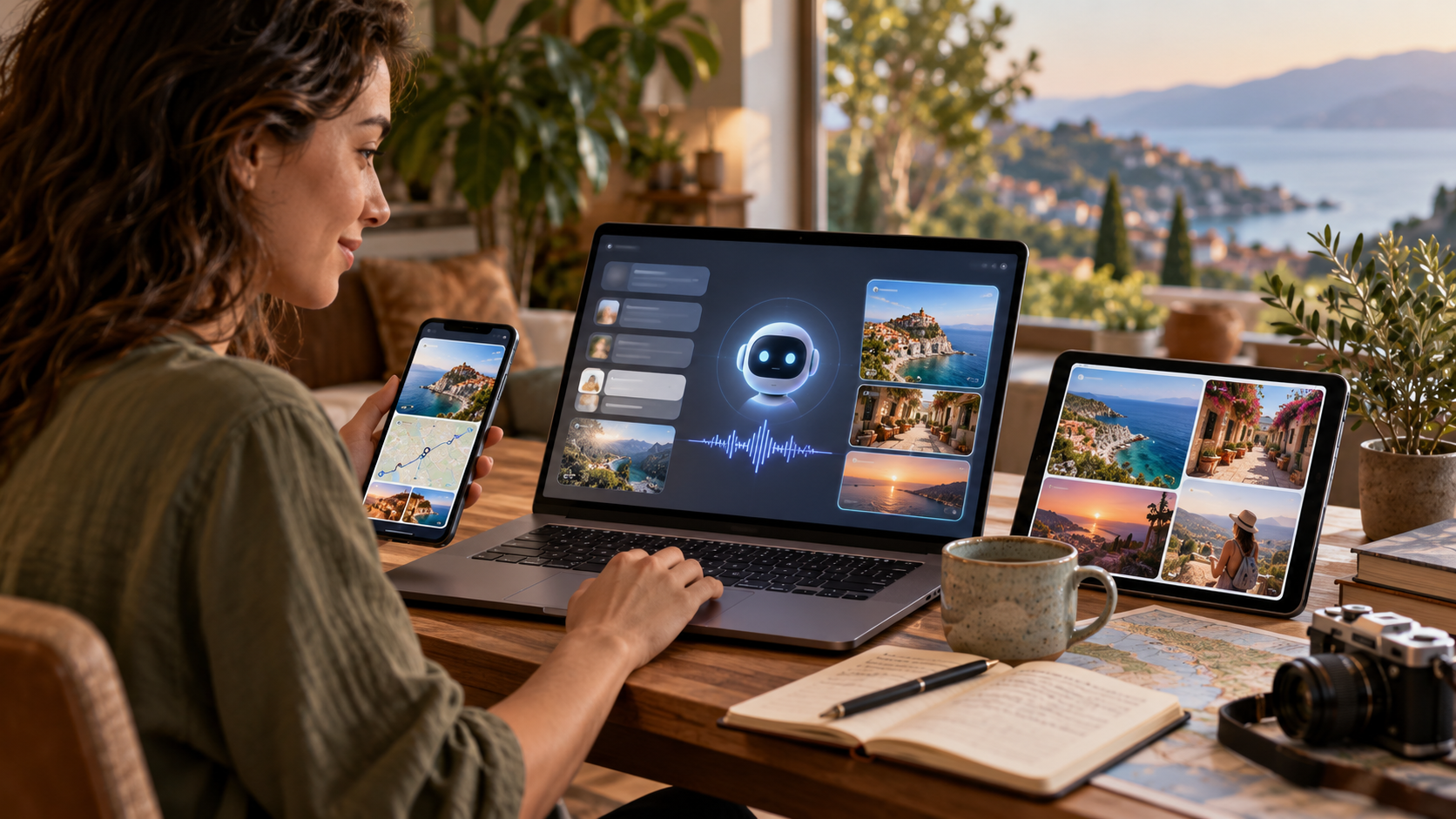
On July 31, 2026, Google’s July Gemini Drop expanded the assistant with voice interaction on macOS, broader access to Gemini Spark, new Flash models, application connectors, and more personalized image tools. The update bundled several product changes into a single monthly release. Consumer AI platforms were evolving through frequent feature drops rather than occasional major versions. Users expected assistants to move across devices, remain available for long-running work, connect to outside services, and adapt outputs to personal context. The date matters because it turned a fast-moving technical, policy, or commercial development into a visible milestone that people and institutions could evaluate.
The substance of Google’s July 2026 Gemini Drop was as important as the headline. The release added spoken creation and editing in active Mac windows, global Spark availability in supported regions, Gemini 3.6 Flash and 3.5 Flash-Lite, and connectors for Dropbox, Zillow Rentals, and Viator. Image features could also use saved avatars and user preferences. Those choices reveal what the people behind the milestone believed was necessary at the time. AI history rarely advances through one breakthrough alone; research, infrastructure, product design, governance, and access all shape what a system can become.
The immediate consequences reached beyond the organization at the center of the event. The Drop showed how model advances, operating-system integration, agents, connectors, and personalization were converging into one assistant experience. It also increased the importance of permissions and transparency as Gemini gained access to more applications and personal data. The moment also invited scrutiny, because new capabilities create new dependencies. Reliability, safety, cost, privacy, and human control determine whether an impressive demonstration becomes a trustworthy part of everyday life. Those practical limits are essential to understanding both the achievement and the response it received.
In retrospect, Monthly releases became a way to turn rapid model research into visible consumer capability without waiting for a yearly product cycle. The July 2026 update captured the assistant’s shift from a standalone chat interface toward an ambient layer across devices and services. Looking back from today’s rapidly changing AI landscape, this event belongs to a larger transition from specialized machine-learning experiments to systems embedded in ordinary products, workplaces, institutions, and public decisions. Its enduring lesson is that technical progress becomes historically significant when it changes what people can do and what society expects next. It also reminds us that every celebrated capability is shaped by the data, institutions, hardware, and human judgment surrounding it. The anniversary therefore records a turning point, not simply an announcement.
Google's July Gemini Drop expanded the assistant with voice interaction on macOS, broader access to Gemini Spark, new Flash models, application connectors, and more personalized image tools. The update bundled several product changes into a single monthly release.
The release added spoken creation and editing in active Mac windows, global Spark availability in supported regions, Gemini 3.6 Flash and 3.5 Flash-Lite, and connectors for Dropbox, Zillow Rentals, and Viator. Image features could also use saved avatars and user preferences.
The Drop showed how model advances, operating-system integration, agents, connectors, and personalization were converging into one assistant experience. It also increased the importance of permissions and transparency as Gemini gained access to more applications and personal data.
The event connected a concrete technical, commercial, or policy decision with the wider development of artificial intelligence.
Monthly releases became a way to turn rapid model research into visible consumer capability without waiting for a yearly product cycle. The July 2026 update captured the assistant's shift from a standalone chat interface toward an ambient layer across devices and services.
Its influence can be traced through later products, research, governance, or industry practice.
Explore more of "On This Day ..."
Discover more events from the same date across news, politics, technology, sports, and other fields. Each link highlights significant moments that shaped history on different fronts.