

On This Day in Business: January 17, 1984
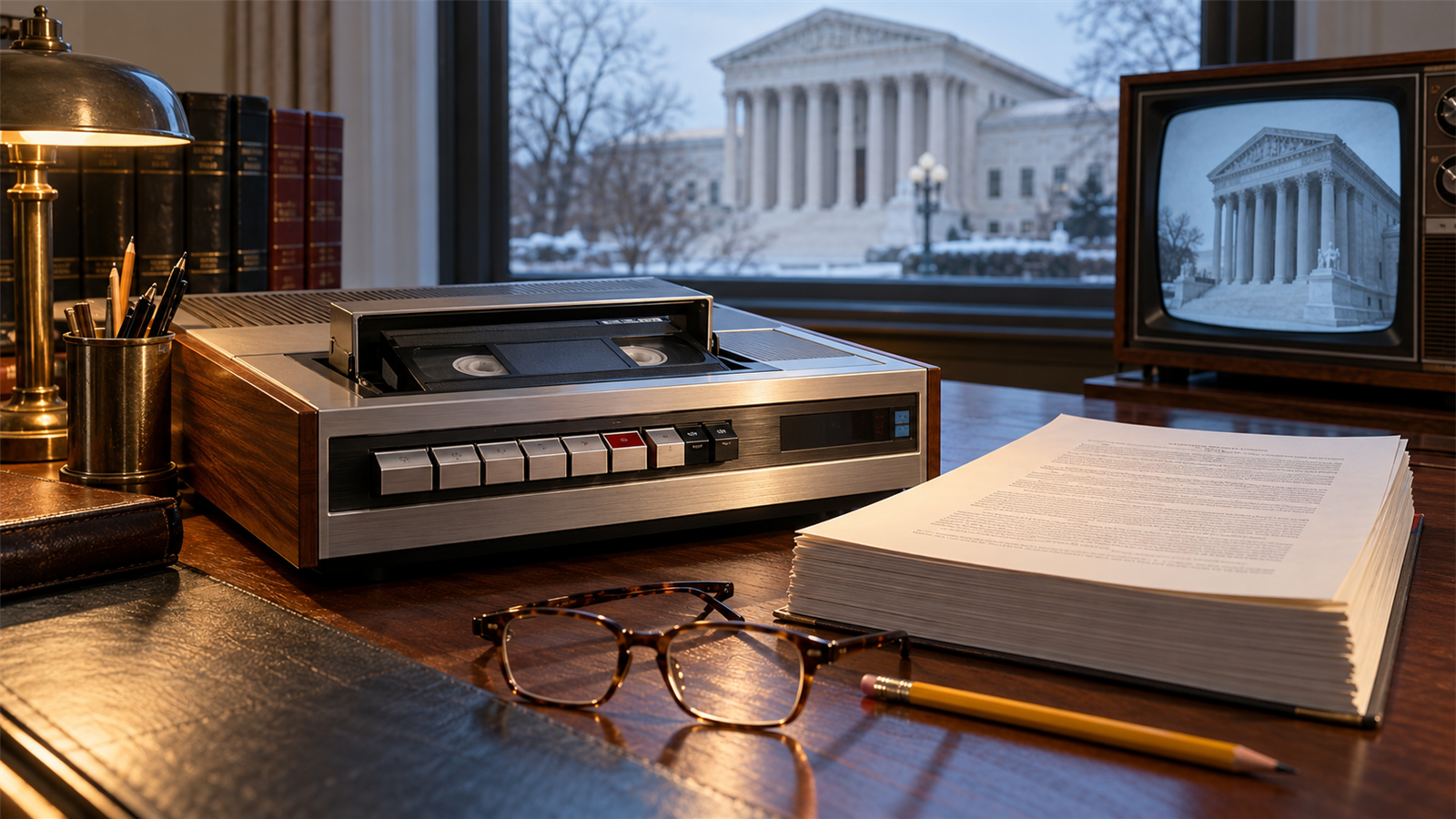
On January 17, 1984, the U.S. Supreme Court decided Sony Corporation of America v. Universal City Studios, the case widely known as the Betamax decision. Film and television producers had argued that Sony should be liable because consumers used its home video recorders to copy copyrighted broadcasts. By a 5-4 vote, the Court reversed the appeals court and ruled for Sony. The majority held that selling a product capable of substantial noninfringing uses did not automatically make its manufacturer responsible for unlawful acts by customers. It also concluded that private, noncommercial recording of free television programs for later viewing, or time-shifting, could be fair use.
The dispute began after Sony introduced Betamax home recorders in the United States in the 1970s. The machines let households capture television on magnetic cassettes and watch at another time, challenging a broadcast business built around fixed schedules. Universal and Disney sued in 1976, alleging contributory copyright infringement. After a trial, the district court found that home time-shifting was fair use and that Sony was not liable; the Ninth Circuit reversed. The Supreme Court then confronted a question with commercial consequences far beyond one recorder: whether a general-purpose technology company could be held responsible because its product enabled copying.
Justice John Paul Stevens's majority opinion emphasized the recorder's legitimate capabilities. The Court found significant evidence that many copyright owners welcomed private recording and that the studios had not shown more than minimal harm from time-shifting. That reasoning protected the sale of equipment with substantial lawful uses even if some customers might infringe. The ruling did not declare every recording lawful, nor did it settle all future questions about copying or distribution. Four justices dissented, warning that the majority had treated widespread copying too generously and had not adequately considered the market for licensed uses.
Sony won the legal battle even as Betamax later lost the consumer format contest to VHS. The broader doctrine proved more durable than the cassette. Manufacturers, retailers and investors gained a measure of protection for technologies that served legitimate purposes, helping markets for video recorders and rental media expand. Decades later, courts and policymakers would apply or distinguish the Betamax logic when considering digital file-sharing and other copying tools. January 17 matters as a business boundary between copyright control and technological innovation. By refusing to make a manufacturer automatically liable for a multipurpose product, the Court reduced one category of legal risk and allowed consumers, electronics companies and media businesses to keep developing a new home-video economy.
Sony introduced Betamax recorders in the 1970s, giving households a practical way to capture broadcast television on cassette and watch it later.
Universal and Disney sued Sony for contributory infringement, arguing that the company supplied equipment consumers used to copy copyrighted programs.
On January 17, 1984, the Supreme Court ruled 5-4 for Sony and treated private, noncommercial time-shifting of free broadcasts as fair use.
The majority also held that selling a product capable of substantial noninfringing uses does not by itself make the manufacturer liable for user infringement.
The decision did not legalize every form of copying, and the close dissent underscored continuing disagreement about market harm and licensed uses.
Although VHS defeated Betamax commercially, the ruling lowered legal risk for multipurpose technologies and shaped later disputes over digital copying tools.
Explore more of "On This Day ..."
Discover more events from the same date across news, politics, technology, sports, and other fields. Each link highlights significant moments that shaped history on different fronts.