

On This Day in Business: January 22, 1984
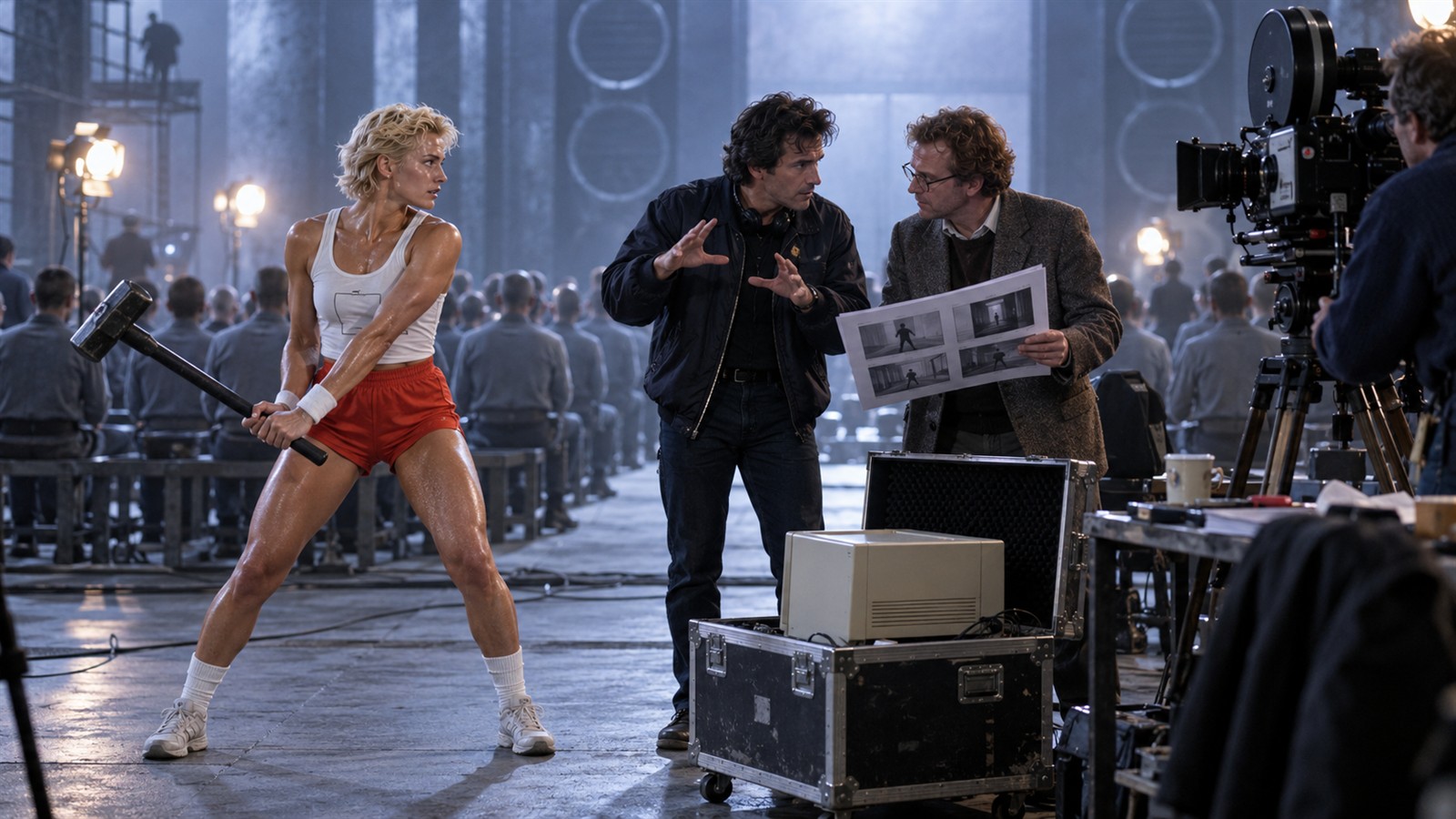
On January 22, 1984, Apple Computer aired its one-minute ‘1984’ commercial nationally during the third quarter of Super Bowl XVIII. Created by the Chiat/Day agency and directed by filmmaker Ridley Scott, the spot presented a gray, regimented world disrupted by a brightly dressed runner who hurls a sledgehammer through a giant screen. The Macintosh itself never appeared. Instead, the final message promised that Apple's new computer would explain why the year 1984 would not resemble George Orwell's dystopian novel. The commercial positioned Apple as an insurgent challenging conformity and the perceived dominance of IBM in personal computing.
The campaign was a calculated gamble. Scott filmed the cinematic scene in Britain with a large cast, and production cost about $500,000. Apple had purchased expensive Super Bowl time, but company directors reacted badly to the finished work and executives tried to sell the slots. The agency sold the shorter slot but retained the 60-second placement. The ad had already run quietly on a small Idaho television station in December 1983 so it could qualify for awards, yet the Super Bowl broadcast created the mass-market event. The Smithsonian estimates that about 43 million Americans saw the national airing, while news programs amplified it through repeated coverage.
The timing connected spectacle to product availability. The commercial announced that Apple would introduce Macintosh on January 24, two days after the game. The compact computer used a graphical interface, mouse, icons and overlapping windows to make interaction more visual than the command lines familiar to many users. With a price near $2,500 and only 128 kilobytes of memory, the original Mac still faced practical and commercial limitations. The advertisement did not explain those specifications. It sold a narrative about who the customer could be: independent, creative and willing to reject an established system. That identity became part of the product's value.
The Macintosh started more slowly in the market than the commercial's legend sometimes suggests, but the campaign changed expectations for technology marketing. A computer launch could be staged as culture, and a single broadcast could produce attention far beyond its purchased airtime. The spot won major advertising awards and helped make the Super Bowl an annual showcase for ambitious commercials. January 22 matters because Apple treated media placement, cinematic storytelling and corporate positioning as one coordinated business investment. The result did not guarantee product success, but it gave a new platform a memorable place in public imagination—demonstrating that brands can compete not only with specifications and price, but with a story that makes customers feel they are choosing a side.
Apple prepared to launch Macintosh into a personal-computer market dominated by IBM-compatible machines and command-line conventions.
Chiat/Day and director Ridley Scott created a one-minute dystopian film that sold rebellion and identity without showing the computer itself.
On January 22, 1984, the commercial aired nationally during the third quarter of Super Bowl XVIII and reached roughly 43 million viewers.
Apple's board disliked the spot and executives tried to sell the airtime, but the agency retained the 60-second placement after unloading a shorter slot.
The ad pointed to the Macintosh introduction two days later, linking a cultural spectacle to a graphical, mouse-driven product positioned for ordinary users.
Its awards and publicity helped establish the Super Bowl as premium advertising theater and showed how brand narrative could reshape a technology launch.
Explore more of "On This Day ..."
Discover more events from the same date across news, politics, technology, sports, and other fields. Each link highlights significant moments that shaped history on different fronts.