

On This Day in Business: April 14, 1902
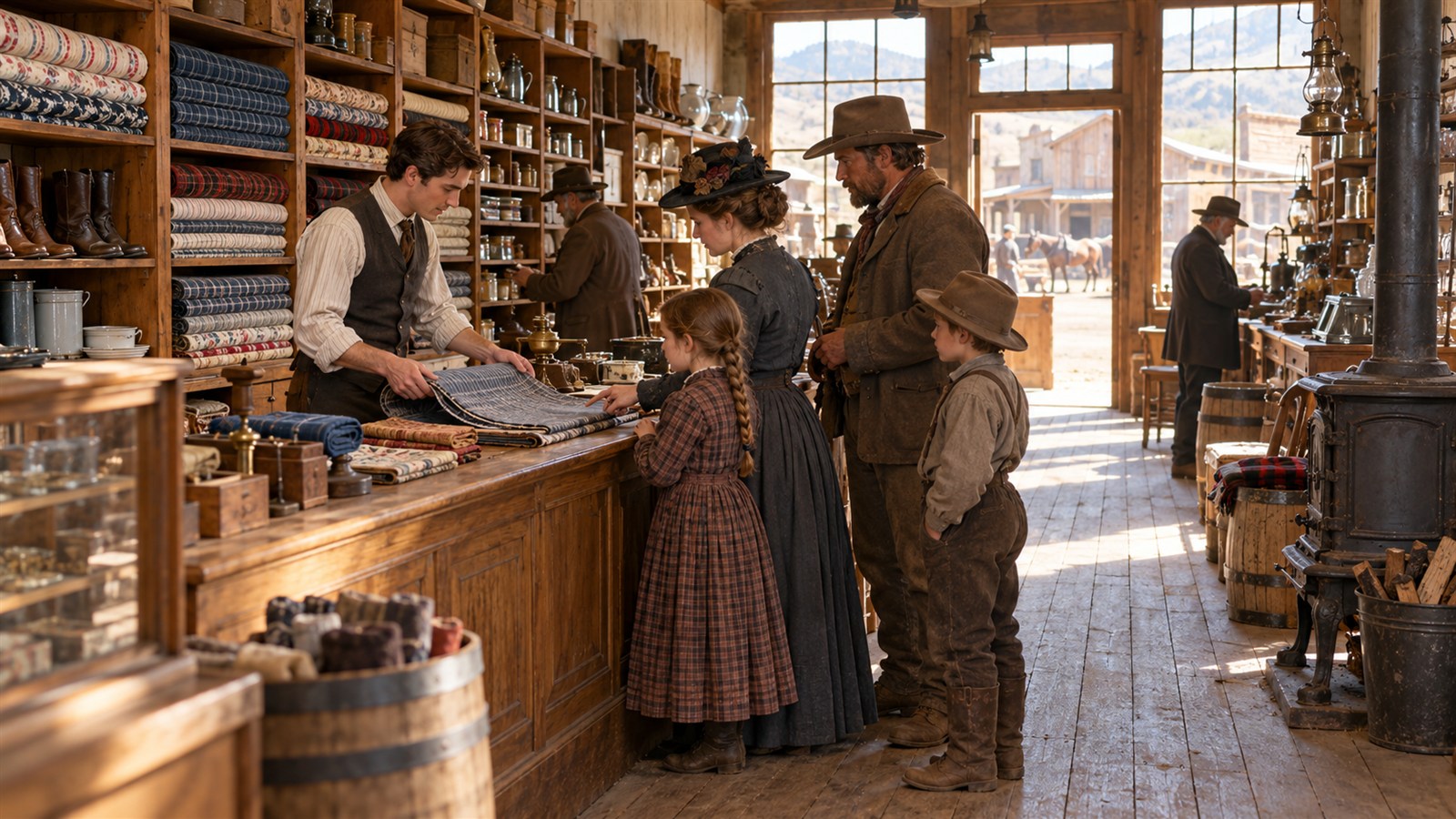
On April 14, 1902, James Cash Penney opened a dry-goods store in Kemmerer, Wyoming, with partners Guy Johnson and Thomas Callahan. The shop operated under the Golden Rule name and served a mining and railroad community where dependable merchandise could be difficult to obtain. Penney invested his savings and managed daily operations with his wife, Berta. The store emphasized cash sales, fair dealing, and merchandise priced for working families. Rather than rely on elaborate surroundings, the business tried to build trust through consistent value, personal attention, and a promise that customers would be treated as the owners wished to be treated themselves.
The cash-only policy reduced bad-debt risk at a time when many local merchants extended credit. It also supported simpler pricing and quicker reinvestment in inventory. Penney learned what miners' families needed, maintained long hours, and tied reputation to service in a small community where poor treatment traveled quickly by word of mouth. The first store succeeded, and the partners offered Penney additional locations. He trained managers, shared ownership opportunities with capable employees, and used common buying and operating practices to reproduce the model across western towns.
In 1913, the growing chain adopted the J. C. Penney Company name and moved its headquarters to New York. National expansion required warehouses, purchasing power, advertising, accounting, and management systems far beyond the original storefront. The company became a fixture of downtown shopping and later followed customers into malls and suburbs. Like other department-store chains, it eventually faced pressure from discount retailers, changing real estate patterns, e-commerce, and debt. Those later difficulties highlight how a format tuned to one era can lose advantage when customer journeys and cost structures change.
The Kemmerer opening matters because it shows retail scale beginning with a repeatable trust proposition. Penney did not invent dry goods, but he combined cash discipline, local service, employee opportunity, and centralized practices into a system that could travel. Expansion worked when managers understood both the common operating model and the specific community. Modern retailers still balance those forces through pricing, inventory data, private labels, and store experience. April 14 marks the small first test of a chain that would help standardize American merchandising while remaining identified with the founder's language of reciprocal treatment. Manager development was essential to the chain's growth. Penney could not personally reproduce his judgment in every town, so the company needed selection, training, incentives, and reporting that encouraged local initiative without losing common standards. Shared ownership opportunities aligned some managers with store performance. Retail expansion frequently fails when it copies a storefront but not the people system that made the first location work. The Golden Rule model treated character as an operating asset.
Kemmerer was a growing mining and railroad community whose families needed reliable access to clothing and household dry goods.
Penney and his partners used cash sales, fair prices, long hours, and personal service to limit credit risk and build local trust.
The first Golden Rule store opened on April 14, 1902, with Penney and his wife deeply involved in daily operations.
Successful managers received responsibility and opportunity as the partners repeated the model across additional western towns.
The chain developed national buying and administrative systems, later becoming a major downtown and shopping-mall retailer.
Its origin demonstrates how a clear service promise becomes scalable only when supported by disciplined inventory, people, and financial practices.
Explore more of "On This Day ..."
Discover more events from the same date across news, politics, technology, sports, and other fields. Each link highlights significant moments that shaped history on different fronts.