

On This Day in Business: July 12, 1962
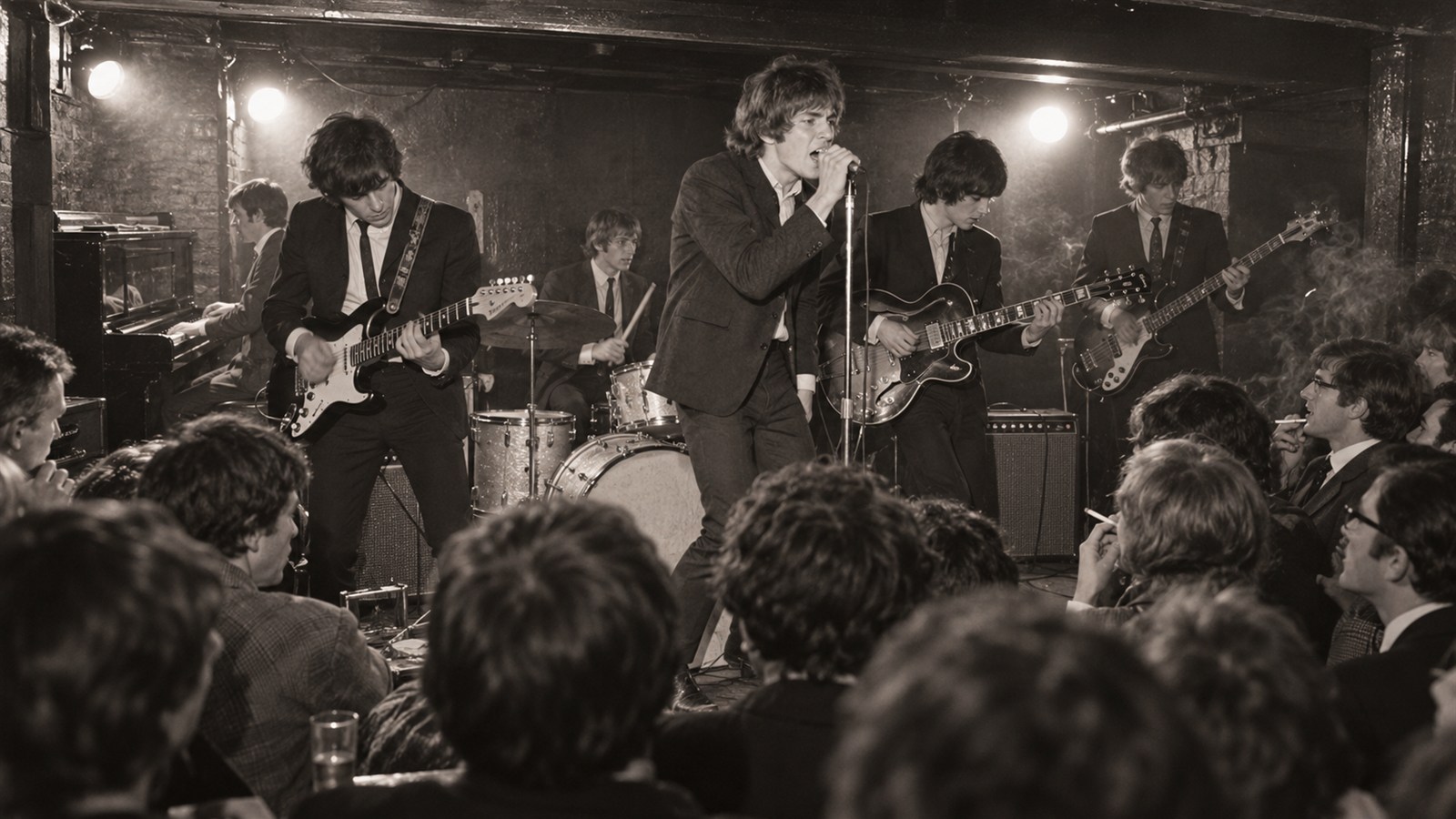
On July 12, 1962, a new rhythm-and-blues group billed as the Rollin' Stones performed at the Marquee Club in London. The lineup included Mick Jagger, Keith Richards, Brian Jones, Ian Stewart, Dick Taylor, and drummer Tony Chapman, though accounts of personnel reflect the fluid nature of the early band. Alexis Korner's Blues Incorporated normally held the Thursday engagement but was appearing on a BBC broadcast, creating the opening. The young musicians filled it with material drawn heavily from American blues and rock-and-roll artists whose records had developed a devoted British audience.
The performance was not the launch of a finished brand. The group still needed a stable lineup, management, repertoire, rehearsal space, transportation, equipment, and regular bookings. Clubs provided a testing ground where musicians could refine their sound and observe audience response at low cost. Distinctive styling and an unruly public image later separated the Stones from more polished competitors. Manager Andrew Loog Oldham amplified that contrast, while record deals and original songwriting converted a live attraction into intellectual property that could travel through recordings, radio, publishing, and licensing.
The business grew through complementary revenue and promotion. Concerts sold tickets and created loyalty; records reached listeners far from a venue; songwriting generated publishing income; press coverage kept the group visible; and tours opened new markets. The musicians also faced the risks common to creative partnerships: uneven power, changing membership, contractual complexity, personal conflict, and dependence on intermediaries. Over decades, the Rolling Stones developed an unusually durable touring operation and a catalog whose value continued beyond each release cycle.
The first gig matters because creative enterprises often begin before their identity is settled. The Marquee appearance supplied a public deadline, a stage, and an audience, allowing the group to learn through performance rather than private planning. Later management and marketing did not manufacture the music, but they helped package a recognizable difference and distribute it at scale. The broader lesson is that a cultural product becomes a business through repetition and rights. A song, show, image, and fan relationship can reinforce one another, creating an asset that earns across formats and generations when the organization protects and renews it. Longevity later became a business advantage of its own. A large catalog gave each tour renewed promotional value, while touring kept old recordings commercially active. The band could introduce new work without depending entirely on it for ticket demand. That balance between familiar assets and fresh output is difficult for creative organizations, but it can reduce the risk of any single release.
A Thursday opening at London's Marquee Club gave the new rhythm-and-blues group its first billed performance.
The Rollin' Stones played on July 12, 1962, drawing heavily from American blues and rock-and-roll records.
Clubs let the emerging band test material, develop a lineup, and learn what generated an audience response.
Management, image, recording contracts, touring, and original songwriting turned performances into a scalable enterprise.
Tickets, records, publishing, publicity, and licensing created reinforcing channels of revenue and audience growth.
The debut shows how public iteration, a distinctive identity, and control of creative rights can build a durable business.
Explore more of "On This Day ..."
Discover more events from the same date across news, politics, technology, sports, and other fields. Each link highlights significant moments that shaped history on different fronts.