

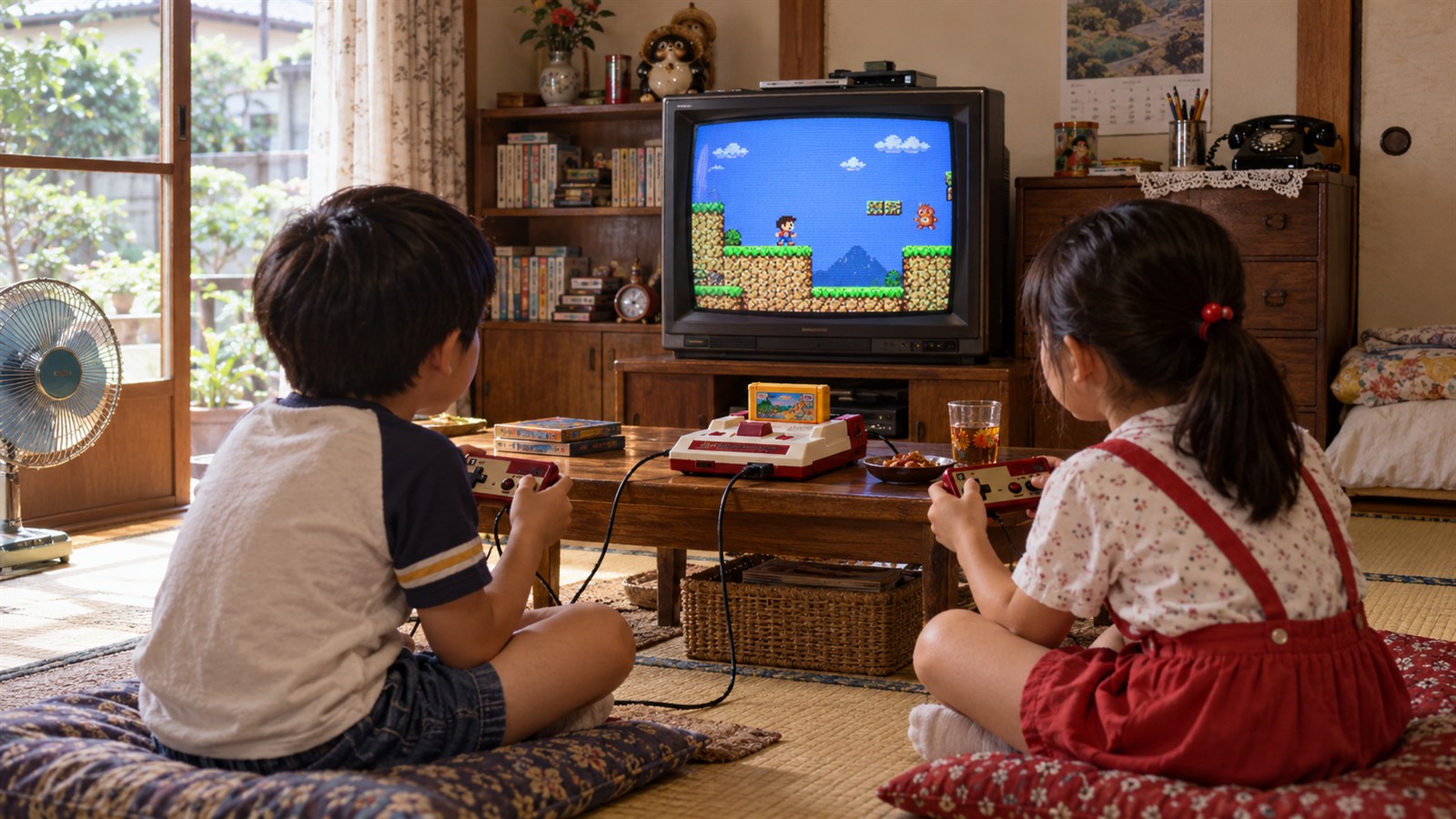
On This Day in Business: September 13, 1985
Nintendo released Super Mario Bros. for the Family Computer in Japan on September 13, 1985. Designed under Shigeru Miyamoto's direction, the side-scrolling game sent Mario across the Mushroom Kingdom through a sequence of increasingly challenging stages. Its responsive movement, readable visual language, memorable music, hidden areas, and carefully paced difficulty made the game approachable while rewarding mastery. It also arrived at a crucial moment for Nintendo's home-console business. A distinctive piece of software could demonstrate what the hardware could do and give families a reason to buy the system itself.
This relationship between a platform and an exclusive application is central to the console business. Hardware creates an installed base, but software creates the experiences users value. A strong game sells cartridges, attracts developers, supports retailers, and makes the console more desirable to the next buyer. Super Mario Bros. became a powerful system seller in Japan and, after reaching other markets, helped establish the Nintendo Entertainment System in North America. Bundling the game with consoles extended its audience and made Mario a familiar character far beyond existing arcade players.
The title was also a disciplined production achievement. Designers worked within strict memory and processing limits, reusing graphics and teaching rules through level design rather than lengthy instructions. The opening screen safely demonstrates movement, jumping, enemies, blocks, and power-ups in a sequence that lets players learn by acting. That clarity lowered customer frustration and widened the addressable market. Music and character design added recognizable intellectual property that Nintendo could extend into sequels, merchandise, television, films, attractions, and later generations of hardware.
Super Mario Bros. helped define the economics of a franchise. A successful character can reduce marketing risk for future products, but only if the company protects quality and adapts the experience rather than merely repeating it. Nintendo has repeatedly used Mario to introduce new controls, dimensions, and hardware capabilities while maintaining familiar rules. The September 1985 release therefore matters as more than a bestselling game. It demonstrated how software, hardware, design, distribution, and intellectual property can reinforce one another over decades. A cartridge created immediate sales, but the larger asset was a trusted world that could travel across technologies and become one of the most durable brands in entertainment. Retailers benefited from a game customers could recognize instantly, while magazines, tip books, and licensed products extended the revenue around play. The title became an anchor for an ecosystem in which discovery, community, and repeat engagement were commercially valuable alongside the cartridge itself.
Nintendo released Super Mario Bros. in Japan on September 13, 1985.
The game combined responsive controls, clear rules, memorable sound, and carefully paced difficulty.
Exclusive software helped sell Nintendo hardware and attract a larger installed base.
Efficient design worked within severe memory limits and taught players through action.
Mario became intellectual property spanning sequels, merchandise, films, and attractions.
The release showed how hardware, software, distribution, and a trusted franchise can reinforce one another.
Explore more of "On This Day ..."
Discover more events from the same date across news, politics, technology, sports, and other fields. Each link highlights significant moments that shaped history on different fronts.