

On This Day in Business: September 14, 1960
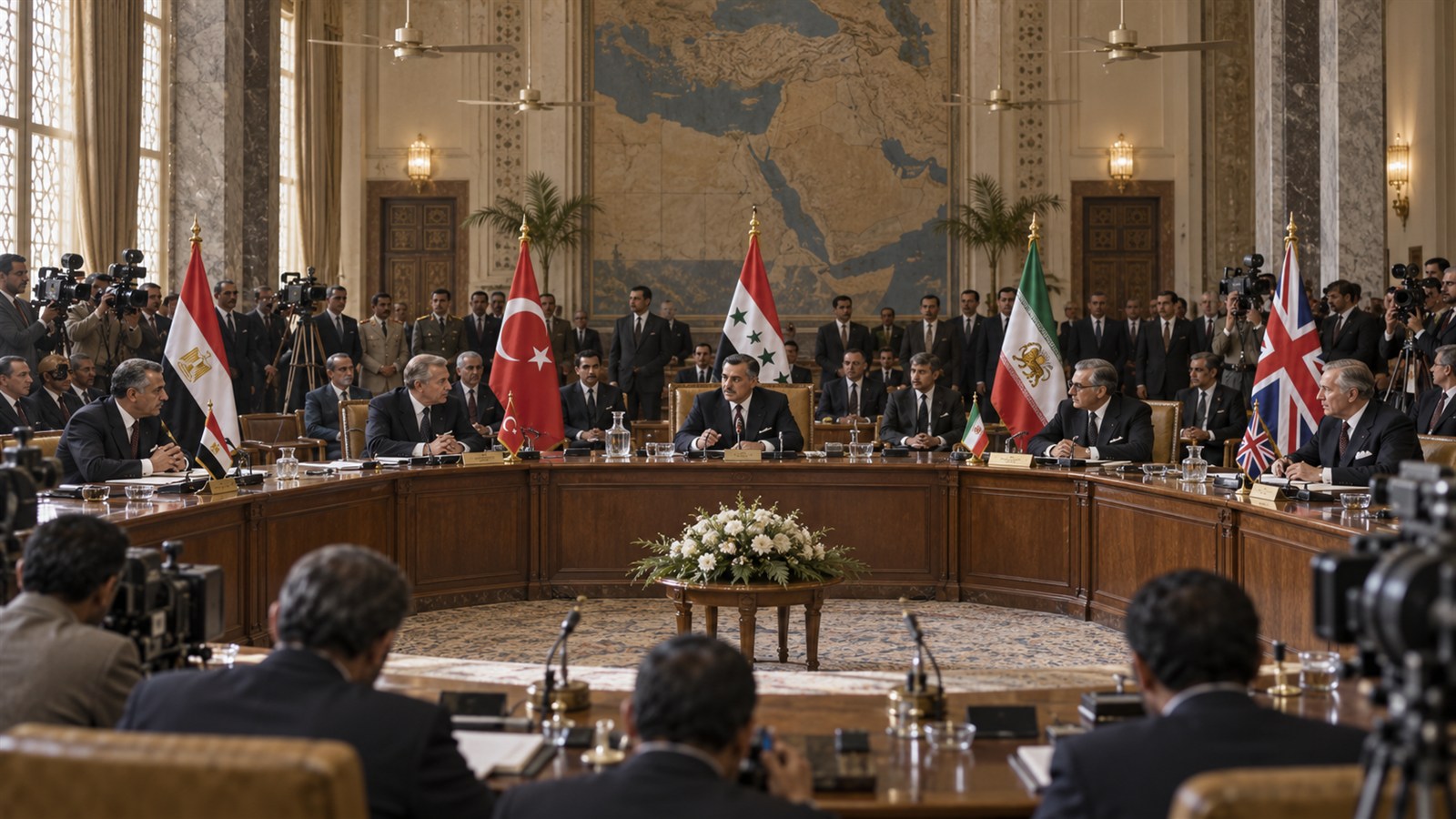
On September 14, 1960, representatives of Iran, Iraq, Kuwait, Saudi Arabia, and Venezuela concluded a conference in Baghdad by creating the Organization of the Petroleum Exporting Countries. The five governments sought a permanent structure for consulting on oil policy and defending the value of resources central to their national revenues. International oil companies then exercised substantial influence over production and posted prices. By coordinating rather than negotiating separately, the exporters aimed to increase their bargaining power in a market where decisions made by large companies could quickly affect government budgets.
OPEC did not immediately control the world oil market. The founding members differed in reserves, fiscal needs, production capacity, and political priorities. The organization first had to establish a secretariat, gather information, admit additional members, and create a process for agreeing on common positions. Its economic logic resembled a producers' association: members could benefit from restraint that supported prices, but each also had an incentive to sell more. Cooperation therefore required recurring diplomacy, shared data, and enough trust that national decisions could be aligned.
The balance changed as member governments gained greater control over their petroleum industries and global demand grew. OPEC's production decisions became important signals for prices, inflation, transportation costs, industrial planning, and the trade balances of both exporters and importers. The oil shocks of the 1970s demonstrated how energy supply could reshape the wider economy and international relations. At the same time, high prices encouraged conservation, non-OPEC production, alternative energy research, and new technology, illustrating how market power can generate competitive responses.
OPEC continues to operate in a more complicated energy system that includes large producers outside the organization, financial markets, environmental policy, and the transition toward lower-carbon sources. Its influence rises and falls with spare capacity, member cohesion, and conditions beyond its control. The 1960 founding remains a landmark because it created an enduring institution through which resource-producing countries could act collectively in a market previously dominated by multinational firms. For business, the lesson extends beyond oil: suppliers with individually weak positions may gain leverage through standards, information sharing, and coordination, but sustaining that leverage requires managing internal differences and anticipating how customers, competitors, and technology will respond. The organization also made information a form of market power. Shared forecasts and production data helped members interpret demand and negotiate from a common base. Yet the credibility of any announced target depended on actual compliance, making monitoring and internal diplomacy essential to external influence.
Five oil-exporting countries founded OPEC in Baghdad on September 14, 1960.
Iran, Iraq, Kuwait, Saudi Arabia, and Venezuela were the original members.
The organization sought consultation and stronger bargaining power over production and posted prices.
Member cooperation required shared information despite different national budgets and capacity.
OPEC decisions later influenced global prices, inflation, investment, and energy security.
Its history shows both the leverage of producer coordination and the competitive responses that leverage creates.
Explore more of "On This Day ..."
Discover more events from the same date across news, politics, technology, sports, and other fields. Each link highlights significant moments that shaped history on different fronts.