

On This Day in Business: November 8, 1972
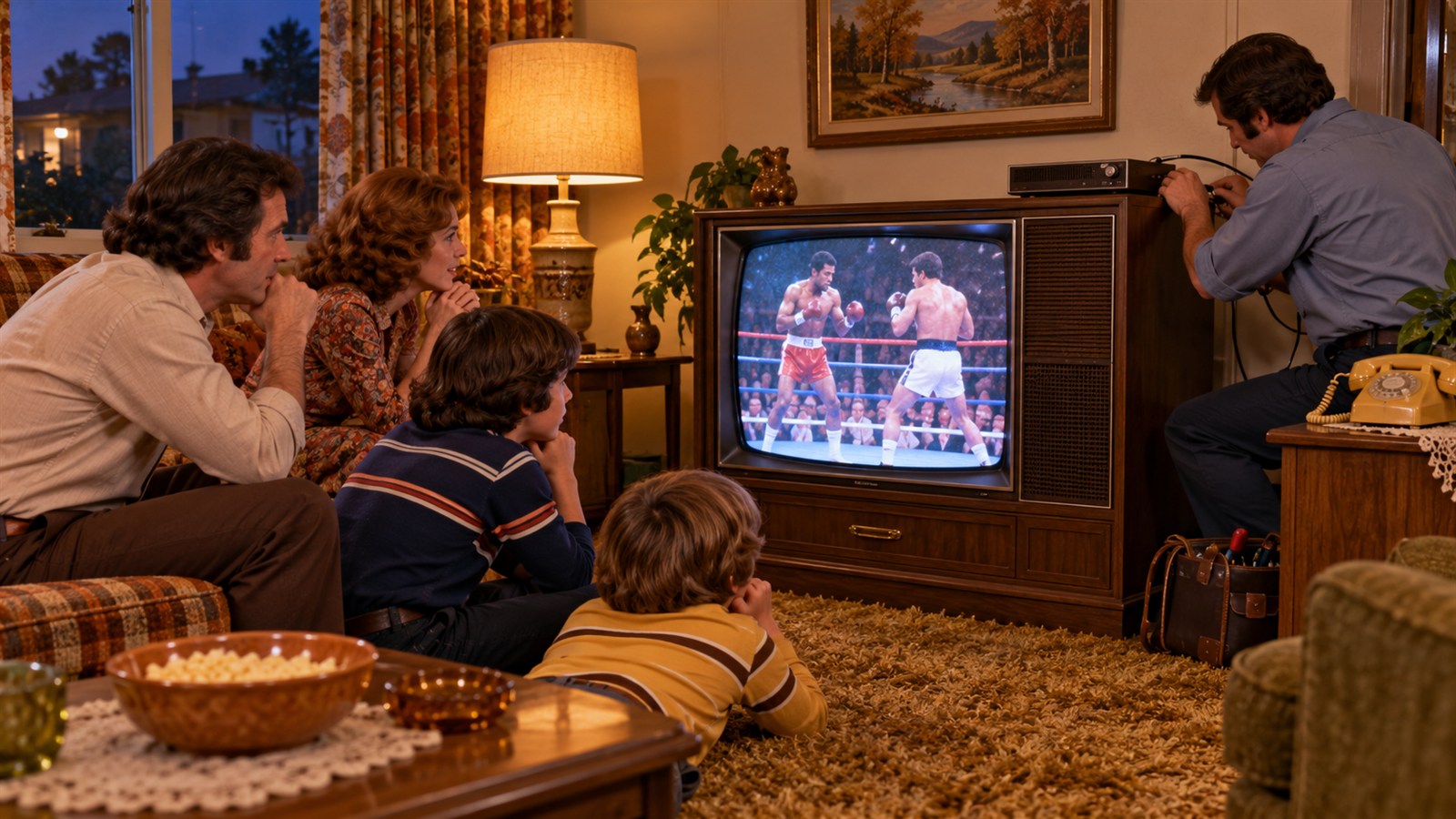
On November 8, 1972, a new cable service called Home Box Office began transmitting to subscribers in Wilkes-Barre, Pennsylvania. The opening program included an NHL game followed by a movie. The audience was tiny, but the proposition was significant: households would pay a recurring fee for commercial-free access to premium sports and films delivered through cable rather than free broadcast television. The launch joined creative ambition to a distribution system that could reliably reach an audience. That combination matters because content has little economic value without access, while a network has little reason to exist without programming distinctive enough to make viewers, listeners, or readers return.
The early network used microwave links and depended on local cable operators, which meant growth required both programming rights and physical distribution. The service had to persuade operators to carry it, consumers to subscribe, and rights holders to license attractive material. Satellite distribution later made national scale practical by sending one signal efficiently to many cable systems. The business model required choices about technology, schedule, rights, talent, and promotion before demand was fully known. Managers were effectively buying an option on future attention, accepting near-term uncertainty in exchange for the chance to establish habits and a recognizable position in a new market.
Subscription revenue changed incentives. Instead of relying entirely on advertisers, the service could invest in content intended to reduce cancellations and justify a monthly price. That model supported exclusive events, original programming, and a distinctive brand. It also made customer retention, affiliate relationships, scheduling, and perceived value central operating measures. Once the audience formed, the enterprise could extend value through advertising, subscriptions, licensing, syndication, merchandise, or repeat exhibition. Yet scale also raised expectations: the brand had to deliver consistently, protect credibility, and keep adapting as competitors copied the format or distribution changed.
HBO's launch helped establish premium television as a separate business category. The route from a small regional experiment to a major network shows how a simple pricing change can reshape production and distribution. Direct payment can align a media company more closely with viewers, but it raises the standard for differentiation because audiences can cancel when the experience no longer feels worth the fee. The durable lesson is that media companies are built from both stories and systems. Creative work attracts attention, but operational reliability, rights ownership, audience insight, and distribution determine how long that attention can be converted into revenue. A premiere matters most when it begins a repeatable relationship. In practical terms, the advantage came from linking a clear customer promise to disciplined execution. Capital had to be allocated before demand was certain, employees and partners had to coordinate, and leaders had to keep learning after the initial milestone passed into history.
HBO began service on November 8, 1972.
The first market was Wilkes-Barre, Pennsylvania.
Early programming combined sports and movies.
Subscribers paid directly for premium cable access.
Satellite distribution later enabled national expansion.
The model helped establish recurring subscription revenue in television.
Explore more of "On This Day ..."
Discover more events from the same date across news, politics, technology, sports, and other fields. Each link highlights significant moments that shaped history on different fronts.