

On This Day in Health: January 6, 2021
On January 6, 2021, the U.S. Department of Health and Human Services (HHS) and the Centers for Disease Control and Prevention (CDC) announced that $22 billion in federal funding would be sent to states, localities, and territories to strengthen the COVID-19 response. The money, drawn from the Coronavirus Response and Relief Supplemental Appropriations Act, arrived at a pivotal moment in the pandemic. Winter cases and hospitalizations were high, vaccination campaigns were just beginning, and health departments across the country were coping with staff burnout, limited supplies, and strained laboratories. The announcement signaled a renewed federal effort to give local public health agencies the resources they needed to keep pace with the rapidly evolving crisis.
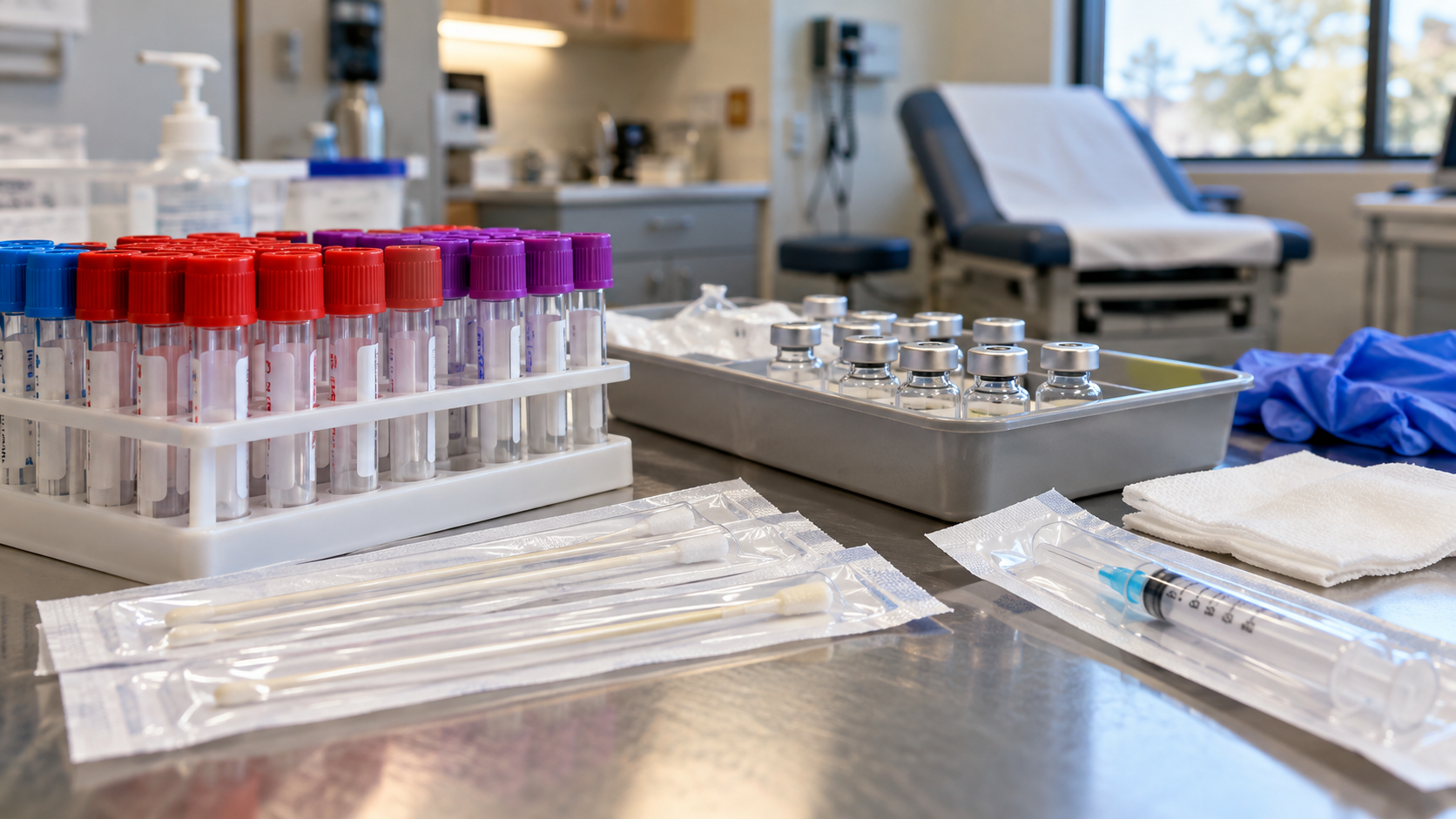
Much of the funding was designated to expand and improve diagnostic testing. Health officials aimed to reach settings where undetected infections could have especially serious consequences, such as schools, long-term care facilities, and communities with limited access to health services. Jurisdictions could use the money to open or sustain community testing sites, purchase additional supplies, and increase laboratory capacity so that results would arrive more quickly. Investment in data systems was also encouraged, helping states modernize how they tracked cases, test results, and contacts. By supporting both the front-end access to tests and the back-end infrastructure that made results actionable, the package sought to make testing a more reliable tool for interrupting chains of transmission.
Another major priority of the January 6 funding announcement was vaccination. Although the first COVID-19 vaccines had received emergency authorization in December 2020, many areas lacked the staff, equipment, and facilities required to deliver doses at scale. The new funds could be used to set up mass vaccination clinics in large venues, deploy mobile teams to reach people who could not easily travel, and build partnerships with pharmacies and community organizations. Support for public communication was also part of the strategy, enabling outreach that explained how the vaccines worked, where appointments were available, and why high uptake was essential for community protection. By tying logistics and communication together, the initiative aimed to turn scientific breakthroughs into shots in arms.
Public health leaders acknowledged that even a large infusion of money could not solve every structural weakness exposed by COVID-19, from workforce shortages to inequalities in care. Still, the $22 billion commitment illustrated how fiscal policy and health policy intersect in an emergency. It underscored that controlling a novel virus requires not only vaccines and tests but also sustained investment in the systems that deliver them—health departments, laboratories, data networks, and trusted local messengers. In the months that followed, the funds supported expanded testing, more vaccination sites, and improved planning for future surges. January 6, 2021, is remembered in health history as a day when the United States attempted to match the scale of its public health response to the scale of the pandemic itself.
By January 6, 2021, the United States was facing one of the most intense phases of the COVID-19 pandemic. Daily case counts and hospitalizations were high, health systems were under strain, and the first vaccines had only recently received emergency use authorization. State and local health departments were attempting to stand up large-scale testing and vaccination programs while also managing outbreaks in schools, long-term care facilities, and essential workplaces.
In late December 2020, Congress passed the Coronavirus Response and Relief Supplemental Appropriations Act, creating new funding streams to support the national response. On January 6, federal health officials announced that $22 billion would be directed to U.S. states, territories, and local jurisdictions to expand COVID-19 testing, strengthen data systems, and accelerate vaccine rollout. The decision marked a significant effort to align financial resources with the operational demands of controlling the virus.
The January 6 funding announcement gave health departments new capacity to expand diagnostic testing and vaccination services. Jurisdictions used the money to open or sustain community testing sites, increase laboratory throughput, and support staffing for mass vaccination clinics and mobile teams. The funds also helped improve case investigation, contact tracing, and reporting systems so that data could be used more quickly to guide local decisions.
At the same time, the funding did not immediately resolve deeper challenges. Differences in state infrastructure, supply chain constraints, workforce shortages, and longstanding health inequities meant that access to testing and vaccination still varied widely across communities. The new resources were significant but had to be integrated into complex systems that had already been operating under prolonged emergency conditions.
Over time, the January 6 funding package contributed to broader improvements in public health infrastructure. Investments in data modernization helped jurisdictions upgrade outdated reporting platforms and move toward more integrated, real-time surveillance. Support for testing and vaccination programs also highlighted the importance of partnerships with pharmacies, community organizations, and local leaders in reaching diverse populations.
The decisions made around this funding informed later conversations about how to prepare for future health emergencies. The experience underscored that vaccines and tests must be matched by stable funding, a trained workforce, and reliable communication channels to the public. In that sense, the actions taken on January 6, 2021, became part of a larger shift toward recognizing public health systems as essential national infrastructure, not just temporary tools for crisis response.
Explore more of "On This Day ..."
Discover more events from the same date across news, politics, technology, sports, and other fields. Each link highlights significant moments that shaped history on different fronts.