

On This Day in Health: January 7, 2020
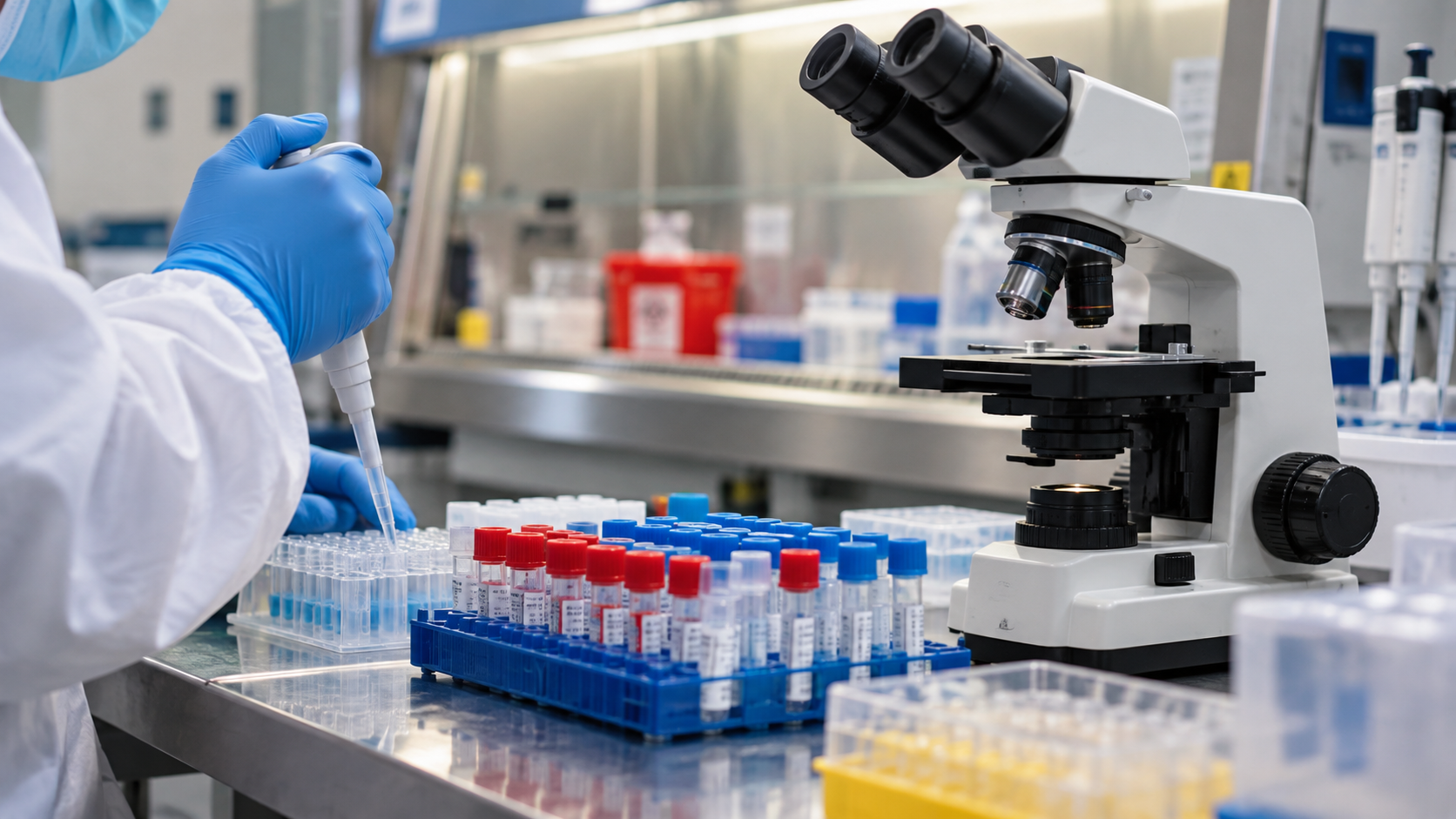
On January 7, 2020, health authorities in China announced that a previously unknown coronavirus was the cause of a cluster of pneumonia cases in Wuhan, Hubei province. For several weeks, clinicians had been reporting patients with high fever, cough, and severe respiratory symptoms, many linked to the Huanan Seafood Wholesale Market. Early tests had ruled out known culprits like SARS, MERS, and influenza. The identification of a novel coronavirus—achieved through rapid laboratory investigation and genetic sequencing—marked the moment when a local medical mystery became a potential global health emergency.
Once the virus was recognized as new, laboratories in China sequenced its genome and shared the data with international partners. That step allowed researchers around the world to begin designing diagnostic tests and to compare this virus genetically with earlier coronaviruses that had caused severe outbreaks, such as SARS in 2002–2003 and MERS in 2012. The genetic similarities suggested that, like its cousins, the new virus likely originated in animals before spilling over into humans, reinforcing long-standing concerns about zoonotic diseases emerging at the human–animal–environment interface.
The announcement on January 7 also triggered international surveillance and risk assessments. Global health agencies, including the World Health Organization, began issuing technical guidance to countries on how to detect and manage possible cases. Airlines, hospitals, and border health authorities started to adapt screening and infection-control measures. At that moment, many questions remained unanswered: how easily the virus spread from person to person, how severe typical infections would be, and whether the outbreak could be contained at its source. Still, the early identification of a novel pathogen gave public health systems a crucial, if brief, window to prepare.
In retrospect, January 7, 2020 stands as one of the key early milestones in what would become the COVID-19 pandemic. The rapid discovery of the virus showcased advances in pathogen detection and genomic technology, compared with earlier eras when new infectious agents could remain unidentified for years. At the same time, the events that followed highlighted how difficult it is to translate early scientific insights into timely, coordinated public health action. The date is now remembered not only as the day the virus behind a mysterious outbreak finally had a name, but also as the point at which the world had its first clear opportunity to understand—and respond to—a crisis that would reshape health systems, economies, and daily life across the globe.
By early January 2020, hospitals in Wuhan, China, were reporting clusters of patients with pneumonia of unknown cause. Many had links to the Huanan Seafood Wholesale Market, and local clinicians were seeing high fevers, cough, and severe respiratory symptoms without a clear explanation. Initial testing ruled out familiar culprits such as influenza, SARS, and MERS, leaving health authorities concerned that a new pathogen might be emerging.
On January 7, 2020, Chinese officials announced that investigators had identified a previously unknown coronavirus as the cause of these cases. Using modern genetic sequencing tools, laboratories isolated and characterized the virus, later named SARS-CoV-2. This identification marked the moment when a local outbreak of unexplained illness became a clearly defined threat, providing the first critical clues about what the world was facing.
Once the virus was identified, scientists in China quickly sequenced its genome and shared the data with international partners. This allowed diagnostic tests to be developed within days, giving public health agencies a tool to confirm cases rather than relying solely on clinical symptoms. Global health organizations, including the World Health Organization, began issuing technical guidance, and countries started to strengthen surveillance at hospitals and points of entry.
At the same time, critical gaps in knowledge remained. It was not yet clear how easily the virus spread from person to person, how many infections were mild or undetected, or whether the outbreak could be contained through traditional public health measures. Travel and social activities continued largely unchanged in many parts of the world, even as the virus was already beginning to move beyond Wuhan. The scientific breakthrough on January 7 provided crucial information, but it did not immediately resolve the uncertainty surrounding the outbreak’s true scale.
In the longer term, the identification of SARS-CoV-2 on January 7, 2020 became a foundational moment in the COVID-19 pandemic. The early availability of the viral genome made it possible to track how the virus evolved over time and to design vaccines using new platforms, including mRNA technology. Within a year, multiple vaccines had been developed and authorized, an unprecedented pace that depended heavily on those first sequencing efforts.
The date is also tied to broader questions about global preparedness and response. While the science moved quickly, the world struggled to translate early information into coordinated action. Debates over transparency, data sharing, and the timing of public health measures continue to shape discussions about how to better detect and respond to future outbreaks. January 7 now stands as a reminder that recognizing a new health threat is only the first step; how societies respond to that knowledge can determine the course of a crisis.
Explore more of "On This Day ..."
Discover more events from the same date across news, politics, technology, sports, and other fields. Each link highlights significant moments that shaped history on different fronts.