

On This Day in Health: January 12, 2020
In the first weeks of 2020, reports of a cluster of pneumonia cases in Wuhan, China, were only beginning to draw international attention. On January 12, 2020, a key development quietly changed the course of the response. Chinese scientists shared the full genetic sequence of the novel coronavirus with the World Health Organization and made the sequence available in public databases. For the first time, laboratories around the world could see the virus’s RNA blueprint, linked to what would soon be officially named severe acute respiratory syndrome coronavirus 2, or SARS-CoV-2. This step turned a local clinical mystery into a problem that scientists and public health agencies everywhere could start to address directly.
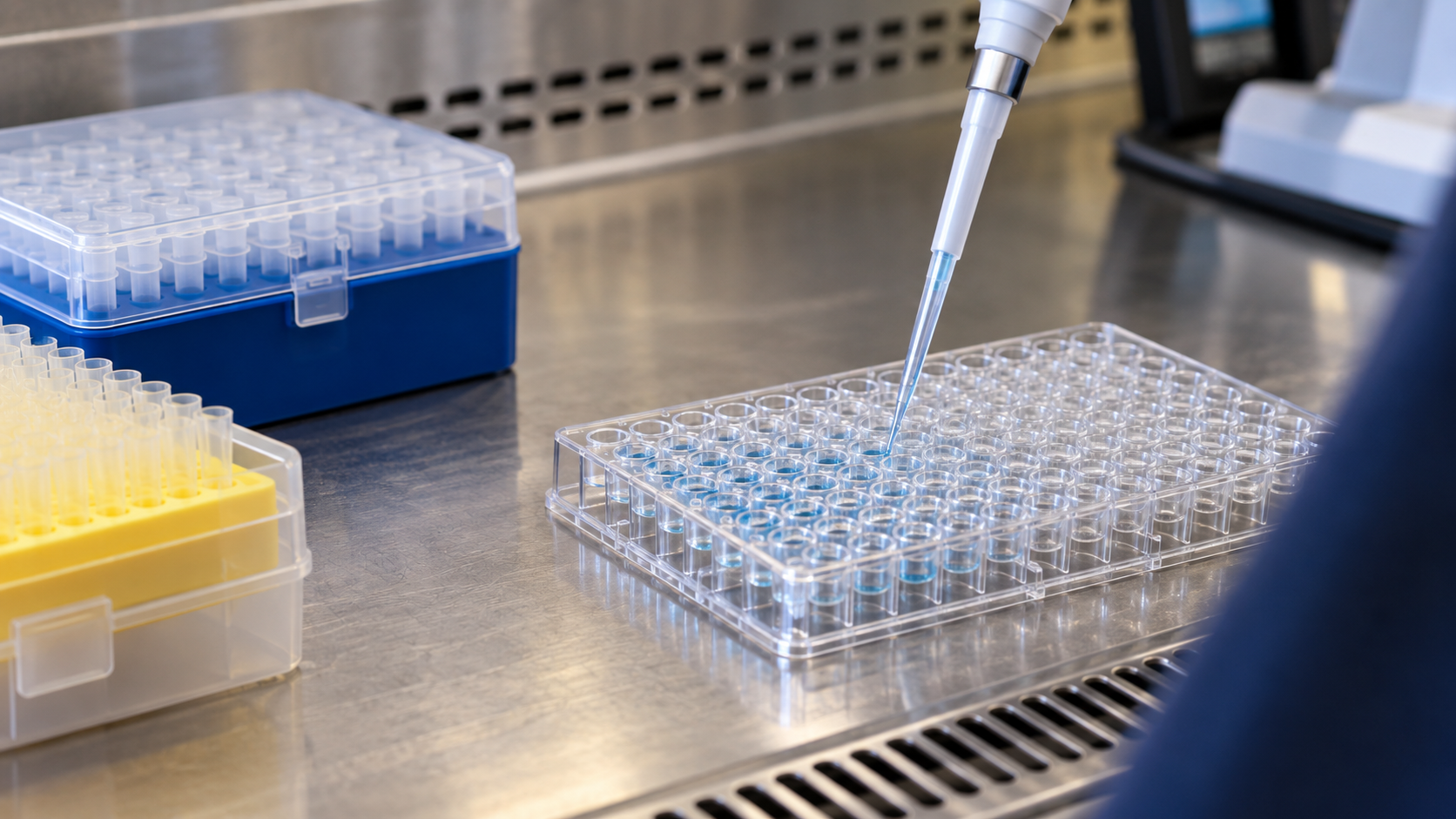
Having the genome sequence was not simply of academic interest; it was an immediate practical tool. With the precise order of nucleotides in hand, research and public health laboratories rapidly began designing polymerase chain reaction (PCR) assays that could detect even small amounts of viral genetic material in patient samples. Within days, candidate diagnostic tests were being refined, validated, and shared across national reference labs. That same weekend, the World Health Organization convened its global diagnostics and laboratory expert network to coordinate methods and help laboratories adopt reliable testing protocols. These efforts laid the foundation for the first generation of COVID-19 tests, which would soon become essential for tracking spread, confirming cases, and guiding early containment strategies.
The January 12 release also opened the door to early research on the virus’s origins and behavior. By comparing the new sequence to known coronaviruses, scientists saw that it belonged to the betacoronavirus group and was closely related to viruses previously identified in bats, supporting a zoonotic origin. Those initial analyses helped frame questions about transmission, pathogenicity, and possible animal hosts, even as many details remained uncertain. At the same time, vaccine researchers began using the sequence—particularly the gene encoding the spike protein—to design prototype vaccines based on mRNA, viral vectors, and other platforms. Although clinical trials would take months to start, this genomic head start proved crucial in compressing the usual vaccine development timeline.
For the general public, January 12 passed largely without notice. International travel continued, most countries had not yet reported any cases, and COVID-19 was not yet a household term. In hindsight, however, the decision to share the SARS-CoV-2 genome stands out as one of the most consequential acts of scientific communication in recent history. It showcased both the strengths and the limitations of global health cooperation: rapid data sharing enabled testing, surveillance, and vaccine research at unprecedented speed, even as later debates over transparency and access highlighted ongoing challenges. This day is now remembered as the moment when the world first gained the genetic information it needed to begin confronting a pandemic that would reshape health systems and societies worldwide.
By January 12, 2020, health officials were tracking a cluster of pneumonia cases in Wuhan, China, linked to a previously unknown coronavirus. Laboratories in China had already isolated the virus and begun sequencing its genetic material, confirming it as a novel coronavirus distinct from those that caused SARS in 2003 and MERS in 2012.
On this day, Chinese scientists shared the full genetic sequence of the virus with the World Health Organization and uploaded it to public databases. This made the RNA “blueprint” of what would later be named SARS-CoV-2 available to scientists and public health agencies worldwide, transforming a local outbreak into a shared global scientific challenge.
The release of the genome allowed laboratories around the world to begin designing highly specific PCR diagnostic tests within days. Reference labs in multiple countries quickly developed and validated assays that could detect tiny amounts of viral genetic material in patient samples, laying the groundwork for confirming cases and tracking the spread of the new virus.
At the same time, there were important limitations. Diagnostic capacity was initially concentrated in a small number of specialized laboratories, and many countries lacked the equipment, reagents, or systems to scale up testing. While the genome sequence was a crucial resource, it did not by itself resolve challenges of surveillance, reporting delays, or unequal access to testing that would become clear as the outbreak grew.
In the longer term, the publicly shared genome accelerated research in multiple directions. Vaccine developers used the sequence, and especially the gene for the spike protein, to design vaccine candidates on mRNA, viral vector, and protein-based platforms much faster than in previous outbreaks. This early start contributed to the unprecedented speed with which effective COVID-19 vaccines became available.
The events of January 12, 2020 also highlighted both the promise and the fragility of global data sharing. Rapid publication of genomic information showed how open science can support a coordinated response, but later debates over transparency, access, and equity underscored gaps in the system. The day is now seen as a turning point in how genomic data is used in real time during emerging health emergencies, shaping ongoing efforts to strengthen surveillance, preparedness, and international cooperation.
Explore more of "On This Day ..."
Discover more events from the same date across news, politics, technology, sports, and other fields. Each link highlights significant moments that shaped history on different fronts.