

On This Day in Health: January 13, 2020
In early January 2020, the novel coronavirus outbreak in Wuhan still seemed like a distant concern to much of the world. Only a limited number of pneumonia cases had been linked to a new virus, and scientists had just released its genetic sequence, allowing laboratories to begin developing diagnostic tests. Against this uncertain backdrop, Thailand became the first country outside China to confirm an infection. On January 13, 2020, the Ministry of Public Health announced that a traveler from Wuhan had tested positive for the new coronavirus, marking the virus’s first known step onto the global stage.
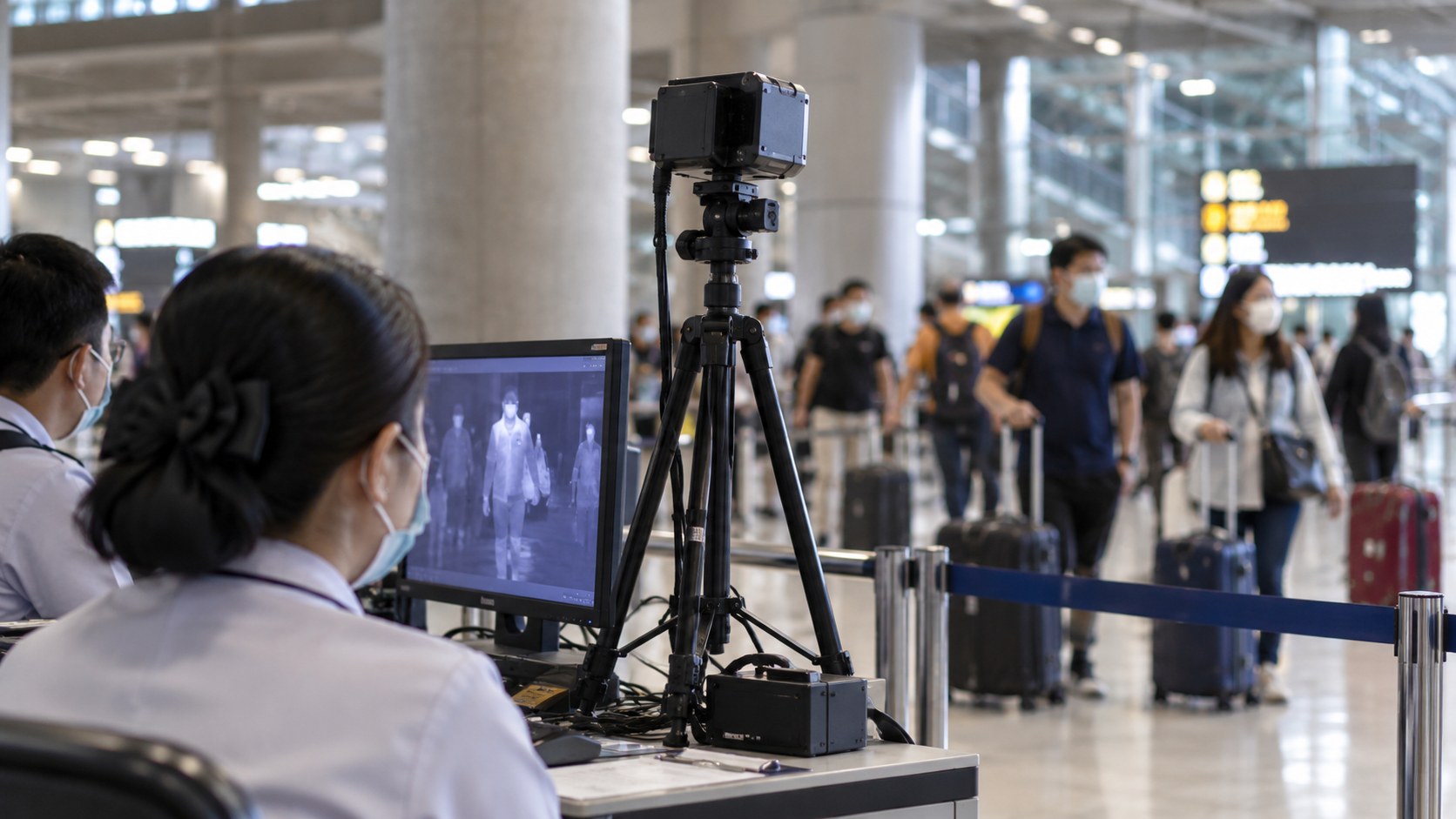
The patient was a 61-year-old woman from Wuhan who developed fever, chills, sore throat, and headache in the first days of January. She flew directly from Wuhan to Bangkok on January 8 as part of a tour group with family and other travelers. At Suvarnabhumi Airport, she was identified by routine thermal screening, which detected her elevated temperature as she arrived. Health officials immediately transferred her to a hospital, where clinicians diagnosed mild pneumonia. Using laboratory assays based on the newly published viral genome, Thai scientists confirmed that she was infected with the novel coronavirus that had been isolated in Wuhan. The case was stabilized, and the patient recovered with supportive care.
Thailand’s confirmation did not happen by chance. Anticipating the risk of international spread from Wuhan, Thai authorities had begun screening passengers from the city as early as January 3 at major international airports, including Bangkok, Don Mueang, Phuket, and Chiang Mai. Health workers used temperature checks, symptom questionnaires, and rapid clinical assessments to identify possible infections, while hospitals were instructed to be alert for severe respiratory illness in recent travelers. After the woman’s diagnosis, officials traced her close contacts, reinforced infection prevention practices, and communicated with international partners to share information about the case and the testing methods used.
News of the Thai case sent a clear signal that the outbreak was no longer contained within China’s borders and that global travel could quickly carry the virus to new regions. Within days, additional infections were detected in other countries, and international health agencies began accelerating risk assessments, guidance for surveillance, and discussions about emergency declarations. Looking back, the January 13 announcement is often seen as one of the earliest visible markers of COVID-19’s transition from a local crisis to a worldwide threat. It underscored the importance of airport screening, rapid genomic sharing, and cross-border cooperation—tools that would remain central, even if imperfect, throughout the unfolding pandemic.
By January 13, 2020, health officials were tracking an outbreak of pneumonia cases in Wuhan, China caused by a newly identified coronavirus. The cluster was linked to a local market, and while most confirmed infections were still in China, concerns were growing that the virus could spread internationally through routine air travel.
Thailand, a major regional hub and a top destination for Chinese tourists, was especially alert. The country receives millions of visitors from China each year, many passing through Bangkok’s busy Suvarnabhumi Airport. As reports from Wuhan accumulated, Thai authorities began screening incoming passengers from the city, using temperature checks and on-site medical evaluations to look for signs of fever and respiratory illness.
On this day, Thailand confirmed the first known case of the new coronavirus outside China. A traveler from Wuhan was stopped at Bangkok’s airport during routine thermal screening and referred to a hospital after presenting with fever and respiratory symptoms. Laboratory testing, made possible by the recently published viral genome, showed that she was infected with the same novel coronavirus circulating in Wuhan.
The patient was placed in isolation and treated with supportive care while health workers traced her close contacts and monitored them for illness. The case demonstrated that airport screening, clinical vigilance, and rapid diagnostics could detect imported infections. At the same time, it showed the limits of these tools: people without fever or obvious symptoms could pass through checkpoints undetected, and many countries had not yet built the testing capacity needed to find milder or early-stage cases.
Thailand’s announcement marked a clear transition point: the outbreak was no longer confined within China’s borders. In the following days and weeks, additional infections were detected in other countries, confirming that international travel was already carrying the virus along major flight routes. Global health agencies used these early cases to refine their risk assessments and issue more detailed guidance on surveillance, isolation, and infection prevention.
The first documented spread of the virus beyond China underscored both strengths and gaps in global preparedness. Rapid sharing of the genetic sequence enabled fast diagnostic development, and early coordination between national authorities and international organizations provided a model for cross-border communication. At the same time, uneven access to testing, differences in border measures, and varying public health capacities revealed how difficult it is to contain a respiratory pathogen once it begins to move internationally—lessons that continue to shape pandemic planning and response.
Explore more of "On This Day ..."
Discover more events from the same date across news, politics, technology, sports, and other fields. Each link highlights significant moments that shaped history on different fronts.