

On This Day in Health: January 22, 1973
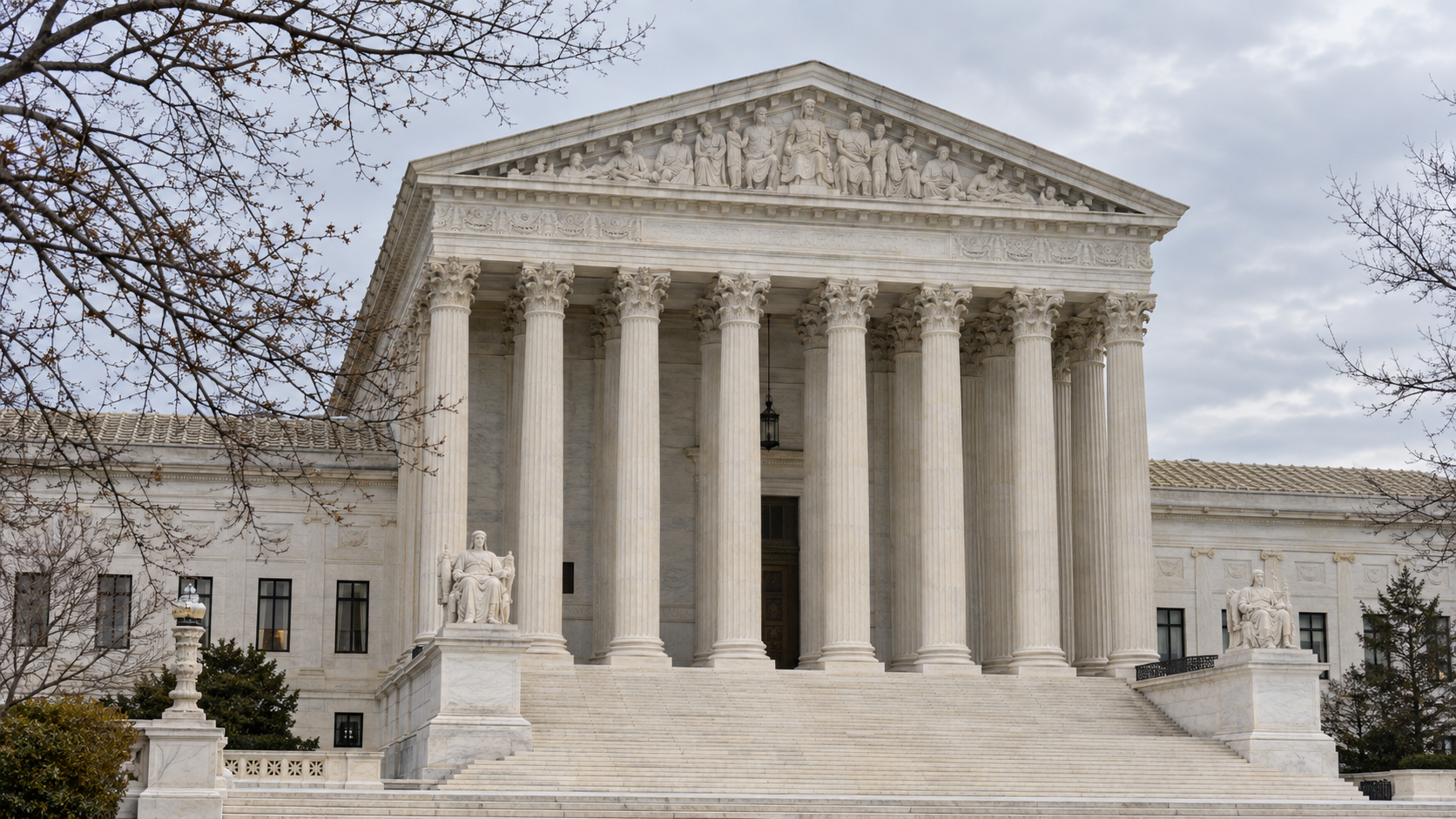
On January 22, 1973, the U.S. Supreme Court issued its landmark Roe v. Wade decision, a ruling that reshaped reproductive health care and law in the United States. In a 7–2 decision, the Court struck down a Texas statute that criminalized most abortions, holding that the Constitution protects a pregnant person’s right to choose abortion under the Due Process Clause of the Fourteenth Amendment. The majority framed the decision within a broader right to privacy, previously recognized in cases involving contraception and family life, and emphasized that decisions about pregnancy carried profound consequences for a person’s physical, emotional, and economic well-being. Though rooted in constitutional law, Roe quickly became one of the most consequential events in modern health history, changing what services could be offered in clinics and hospitals across the country.
The Court introduced a trimester framework to balance individual autonomy with the state’s interests in protecting maternal health and what it termed the “potentiality of human life.” During the first trimester, the decision and its implementation were to be left to the medical judgment of the pregnant person’s physician, free from state interference. In the second trimester, states could regulate abortion procedures in ways reasonably related to safeguarding the patient’s health, such as setting standards for clinic safety or physician qualifications. Only in the third trimester, after the point of fetal viability, could states more broadly restrict or prohibit abortion, provided they allowed exceptions to protect the life or health of the pregnant person. This structure effectively turned Roe into a nationwide template for how health systems, policymakers, and providers approached abortion services.
Roe v. Wade had immediate, tangible effects on the health care landscape. Previously, access to safe abortion depended heavily on a person’s state of residence or financial means, pushing many toward unsafe procedures with significant risks of infection, hemorrhage, and death. After the ruling, more abortions were performed in regulated medical settings under the supervision of licensed clinicians, which public health experts linked to reductions in complications associated with clandestine procedures. The decision also influenced medical training, as obstetricians and gynecologists increasingly incorporated abortion care into residency programs, and it prompted hospitals and clinics to formalize protocols around counseling, informed consent, and follow-up care.
In the decades that followed, Roe remained a central reference point in debates over reproductive health, ethics, and law. Subsequent Supreme Court cases, including Planned Parenthood v. Casey in 1992, modified Roe’s framework while preserving its core principle that states could not place an “undue burden” on a person seeking an abortion before viability. At the same time, state-level legislation, advocacy, and shifting public opinion ensured that access varied widely across regions. In 2022, the Supreme Court’s decision in Dobbs v. Jackson Women’s Health Organization overturned Roe, returning primary authority over abortion regulation to individual states. Even so, the events of January 22, 1973, continue to shape how health professionals, policymakers, and communities understand the relationship between constitutional rights, medical practice, and reproductive health care in the United States.
By January 22, 1973, debates over abortion in the United States had moved from doctors’ offices and state legislatures into the courts. Most states still enforced laws that severely restricted or criminalized abortion, with exceptions usually limited to saving the pregnant person’s life. Access to safe procedures depended heavily on geography, income, and a provider’s willingness to operate in a legally risky environment.
Roe v. Wade arose from a challenge to a Texas statute that banned nearly all abortions. The case asked whether the Constitution’s protections for privacy and liberty could extend to decisions about pregnancy. When the Supreme Court issued its 7–2 ruling, it concluded that the Due Process Clause of the Fourteenth Amendment protected a person’s qualified right to terminate a pregnancy, placing abortion within the broader context of family, bodily autonomy, and medical decision-making.
Roe v. Wade immediately struck down many state laws that criminalized abortion and set a national framework based on pregnancy trimesters and fetal viability. In early pregnancy, decisions were largely left to the patient and their physician, which allowed more procedures to move from informal or unsafe settings into licensed clinics and hospitals. Public health observers associated this shift with reductions in complications and deaths linked to clandestine abortions.
At the same time, the ruling did not guarantee uniform or barrier-free access. States retained authority to regulate abortion in the interest of patient safety and, later in pregnancy, in the interest of what the Court called “potential life.” Over time, a patchwork of requirements emerged, including waiting periods, parental involvement laws, and facility regulations. These measures, along with economic and geographic factors, meant that access to care could still vary widely by region.
Over the following decades, Roe v. Wade became a central reference point in legal and political debates over reproductive health. In 1992, Planned Parenthood v. Casey replaced Roe’s trimester framework with a viability standard and the “undue burden” test, but it reaffirmed that states could not impose regulations that placed substantial obstacles in the path of a person seeking an abortion before viability. This kept Roe at the heart of constitutional discussions about privacy, autonomy, and health care.
The decision also shaped how medical schools, professional organizations, and health systems approached reproductive services, counseling, and patient rights. Even after later rulings, including the 2022 Dobbs decision that overturned Roe and returned primary regulatory authority to individual states, the events of January 22, 1973, continue to inform how policymakers, clinicians, and the public understand the relationship between constitutional law, public health, and access to reproductive care in the United States.
Explore more of "On This Day ..."
Discover more events from the same date across news, politics, technology, sports, and other fields. Each link highlights significant moments that shaped history on different fronts.