

On This Day in Health: January 23, 2020
On January 23, 2020, authorities in China placed the central city of Wuhan under a sweeping lockdown in an effort to contain a rapidly spreading outbreak of a novel coronavirus. Within weeks, that virus would be named SARS-CoV-2, and the illness it caused would become known worldwide as COVID-19. Wuhan, a transportation hub of about 11 million people, suddenly saw its airports, train stations, highways, and local public transit shut down. Residents were urged or required to stay home, and outbound travel from the city effectively stopped. What had begun as reports of unexplained pneumonia at the end of 2019 was, by late January, a public health emergency that demanded drastic intervention.
The lockdown was notable for both its speed and its scale. In addition to closing transport links, authorities restricted movement within neighborhoods, canceled public gatherings, and extended the Lunar New Year holiday to keep workplaces and schools closed. Hospitals in Wuhan, facing a sharp rise in patients with respiratory symptoms, expanded capacity with temporary facilities and reinforcements from other provinces. For many residents, daily life was reduced to essential trips for food or medicine, temperature checks at building entrances, and constant updates about case numbers and evolving rules. The measure would last 76 days, until early April 2020, making it one of the largest and most sustained citywide quarantines in modern public health history.
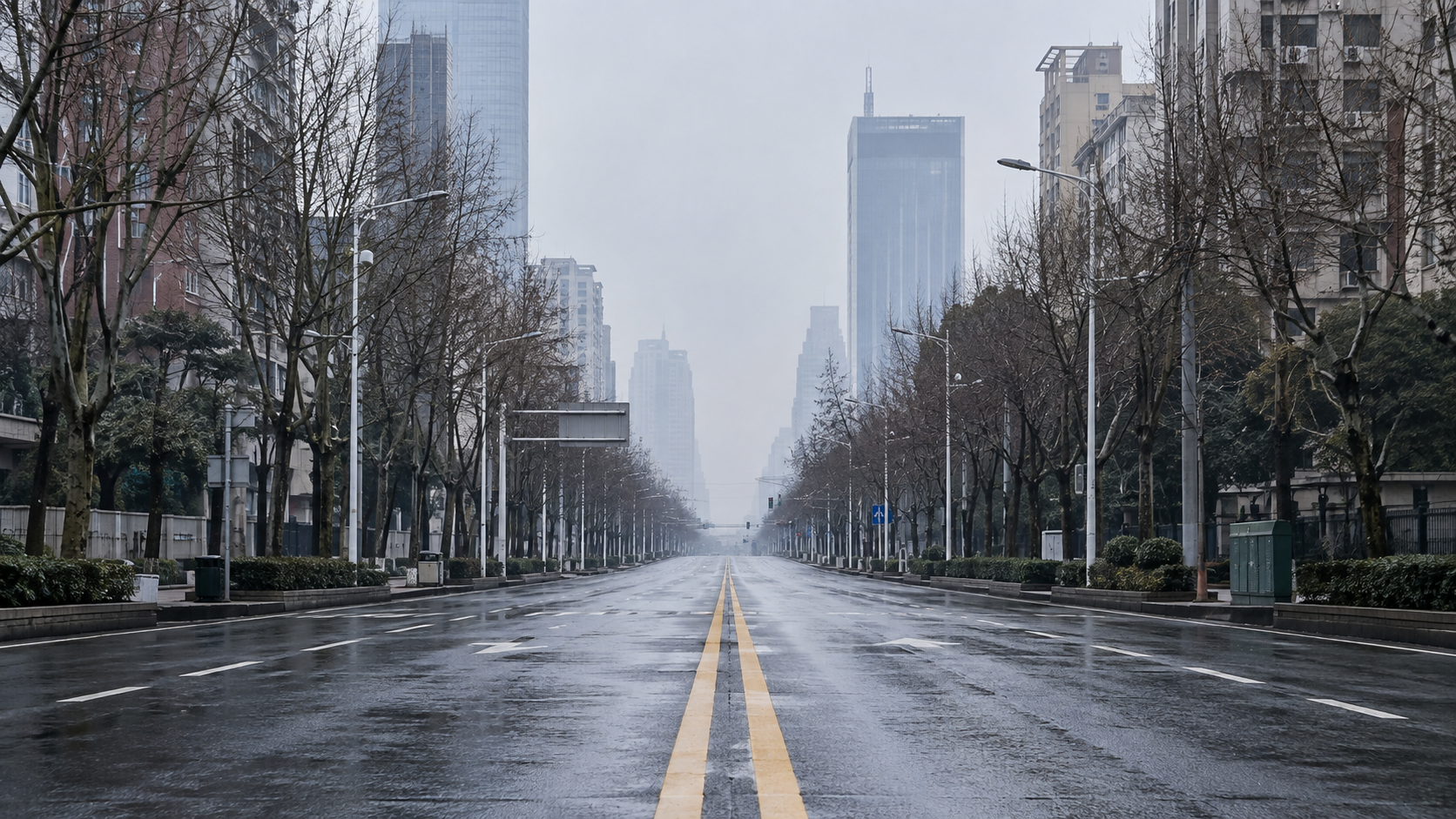
Globally, the decision to lock down Wuhan was closely watched and widely debated. Health organizations and researchers saw it as an attempt to buy time—slowing viral spread long enough for surveillance, testing, and medical systems to adapt. Early modeling studies later suggested that reducing travel out of Wuhan and limiting local movement helped delay and blunt transmission to other parts of China and abroad, even if it could not fully prevent the virus from spreading. At the same time, the lockdown raised difficult questions about civil liberties, economic disruption, and the psychological impact of prolonged restrictions. Images of empty highways, closed businesses, and residents confined to apartment towers captured both the seriousness of the threat and the human cost of aggressive control measures.
In the months that followed, many other cities and countries would adopt their own versions of lockdowns, travel bans, and stay-at-home orders, drawing explicit comparisons to Wuhan’s experience. The events of January 23, 2020, thus became an early turning point in the global response to COVID-19. They highlighted how intertwined mobility and disease transmission had become in an era of dense urbanization and frequent international travel, and they showed how far authorities were willing to go to slow a novel pathogen. The Wuhan lockdown remains a defining moment in 21st-century health history—a symbol of both the scale of the COVID-19 crisis and the extraordinary measures deployed to confront it.
By January 23, 2020, health officials in China had been tracking a cluster of unusual pneumonia cases in Wuhan for several weeks. The illness was traced to a novel coronavirus linked initially to a local seafood and live animal market, but cases soon appeared among people with no direct market exposure, raising concern about sustained human-to-human transmission.
Wuhan is a major transportation hub in central China, with busy rail lines, highways, and an international airport that connect millions of travelers, especially during the Lunar New Year period. As reported infections and deaths grew, and evidence of spread beyond the city emerged, authorities moved from heightened surveillance and warnings to a far more drastic step: an unprecedented citywide lockdown intended to slow the outbreak and buy time for a broader public health response.
The Wuhan lockdown shut down outbound flights and trains, suspended most public transportation, and imposed strict controls on movement within the city. Residents were asked or required to stay at home, routine gatherings were cancelled, and many workplaces remained closed. Hospitals faced intense pressure as they admitted growing numbers of patients with fever and respiratory symptoms, prompting the rapid expansion of isolation wards and construction of temporary facilities.
At the same time, the measure had clear limitations. Significant domestic and international travel had already taken place before January 23, and cases linked to Wuhan were being detected in other parts of China and in multiple countries. The lockdown could not reverse earlier spread, and it raised difficult questions about transparency, timing of the response, and how to balance infection control with economic activity and daily life. Nonetheless, it marked one of the earliest and most visible efforts to slow the new virus at its apparent epicenter.
In the longer term, the Wuhan lockdown became a reference point for how governments might respond to fast-moving respiratory outbreaks. It influenced decisions in other countries that later used stay-at-home orders, travel restrictions, and localized lockdowns as part of their COVID-19 strategies. Public health experts studied its timing, scope, and outcomes to better understand how large-scale movement controls could shape the trajectory of an epidemic.
The experience also accelerated policy discussions about preparedness, data sharing, and the use of digital tools such as health codes and contact tracing apps. It highlighted the social and economic costs of prolonged restrictions, the importance of maintaining essential services, and the need for clear communication with the public during periods of uncertainty. As a result, the events in Wuhan on January 23, 2020, continue to inform debates about how societies can respond to emerging health threats while protecting both population health and everyday life.
Explore more of "On This Day ..."
Discover more events from the same date across news, politics, technology, sports, and other fields. Each link highlights significant moments that shaped history on different fronts.