

On This Day in Health: April 17, 2024
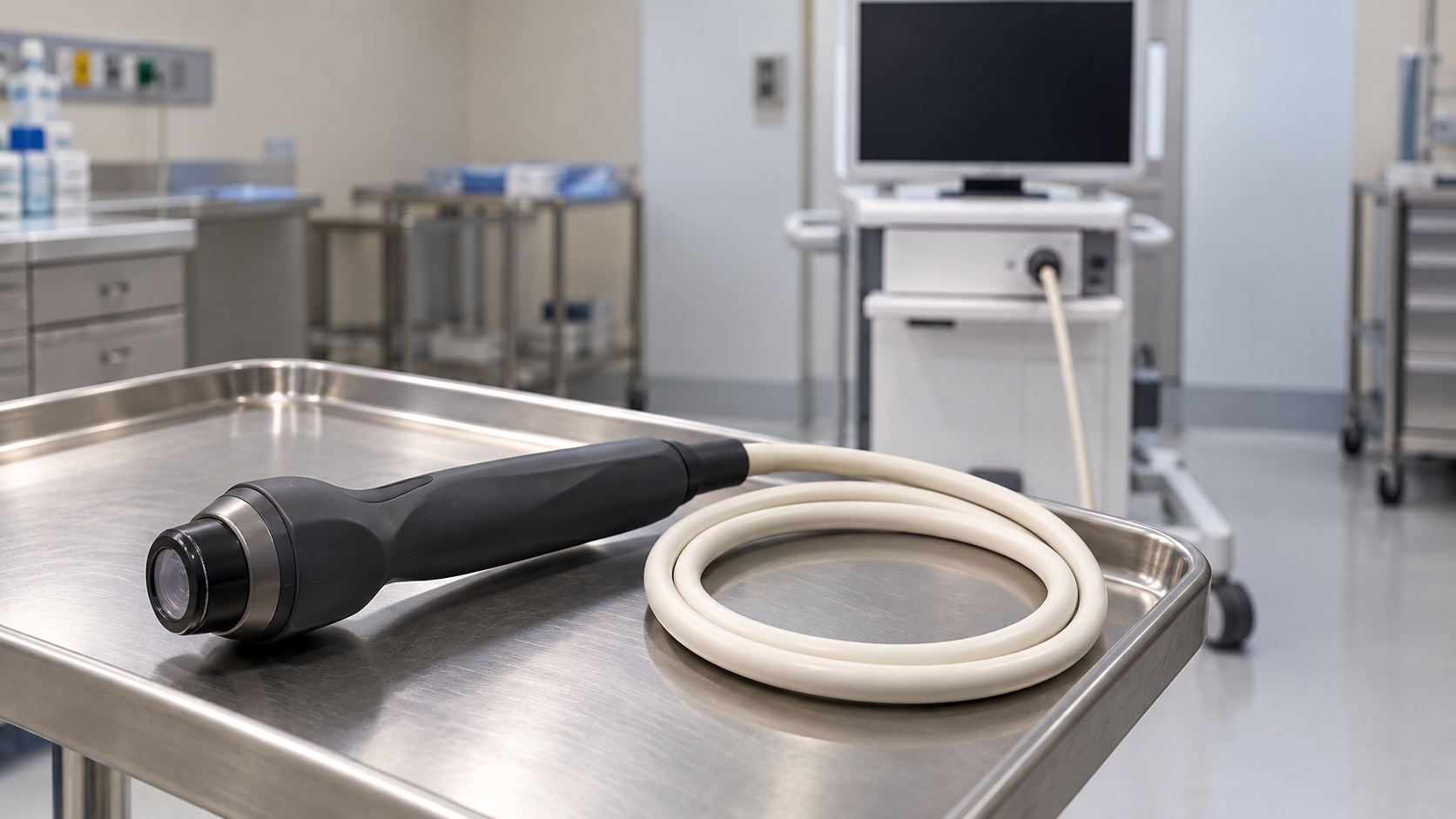
On April 17, 2024, the U.S. Food and Drug Administration approved Lumisight and the paired Lumicell Direct Visualization System for use during breast cancer surgery. Lumisight, or pegulicianine, is an injectable optical imaging agent. The device uses a handheld probe and imaging software to help identify fluorescent tissue within the surgical cavity after the main specimen has been removed. The approvals connected a drug and a device in one clinical workflow. Their purpose was to assist surgeons in detecting additional cancerous tissue during lumpectomy, adding information at a moment when decisions about further tissue removal could still be made.
Breast-conserving surgery aims to remove cancer while preserving as much healthy tissue as appropriate. Examination of the removed specimen and its margins remains an important part of determining whether cancer has been adequately excised. The new system introduced another source of information inside the operating room. Lumisight is administered before surgery, and the imaging device detects fluorescence associated with its activity in tissue. The resulting signal is an aid to judgment rather than a definitive diagnosis. The approval concerned adult patients undergoing breast cancer surgery and the specific combination of agent and device. It did not turn a fluorescent signal into a substitute for pathology.
The supporting investigation enrolled 406 patients at fourteen U.S. sites, with 357 receiving the fluorescence-guided approach used in the principal evaluation. Additional cancer was found in tissue removed with the system in twenty-seven of those patients, approximately 7.6 percent. Histopathology supplied the confirmation, connecting an imaging finding to evidence from the tissue itself. The results also exposed the limits of the method. False positive and false negative findings occurred, so a signal could prompt removal of tissue without cancer, while an absence of signal could fail to identify cancer. Those limitations are essential to understanding why the technology was approved as an adjunct rather than a complete answer to surgical margin assessment.
April 17 highlights an effort to bring more information into an operation instead of waiting for every finding afterward. The advance was specific: an approved fluorescent agent, compatible hardware and software, a defined patient setting and measured clinical evidence. It was accompanied by safety concerns, including serious hypersensitivity reactions associated with Lumisight, and practical responsibilities for interpreting the images. The anniversary should not be described as proof that every residual cancer can be found or that further surgery will never be needed. Its lasting significance lies in adding a new method for examining the surgical cavity while keeping the surgeon’s judgment and conventional tissue evaluation central to care.
Lumisight and the paired imaging system were approved on April 17, 2024.
The combination assists surgeons during breast cancer surgery.
The probe examines the cavity after the main specimen is removed.
Additional cancer was confirmed in tissue from 27 of 357 guided patients.
False positive and false negative findings limit interpretation.
Fluorescence imaging supplements surgical judgment and pathology.
Explore more of "On This Day ..."
Discover more events from the same date across news, politics, technology, sports, and other fields. Each link highlights significant moments that shaped history on different fronts.