

On This Day in Health: June 25, 2018
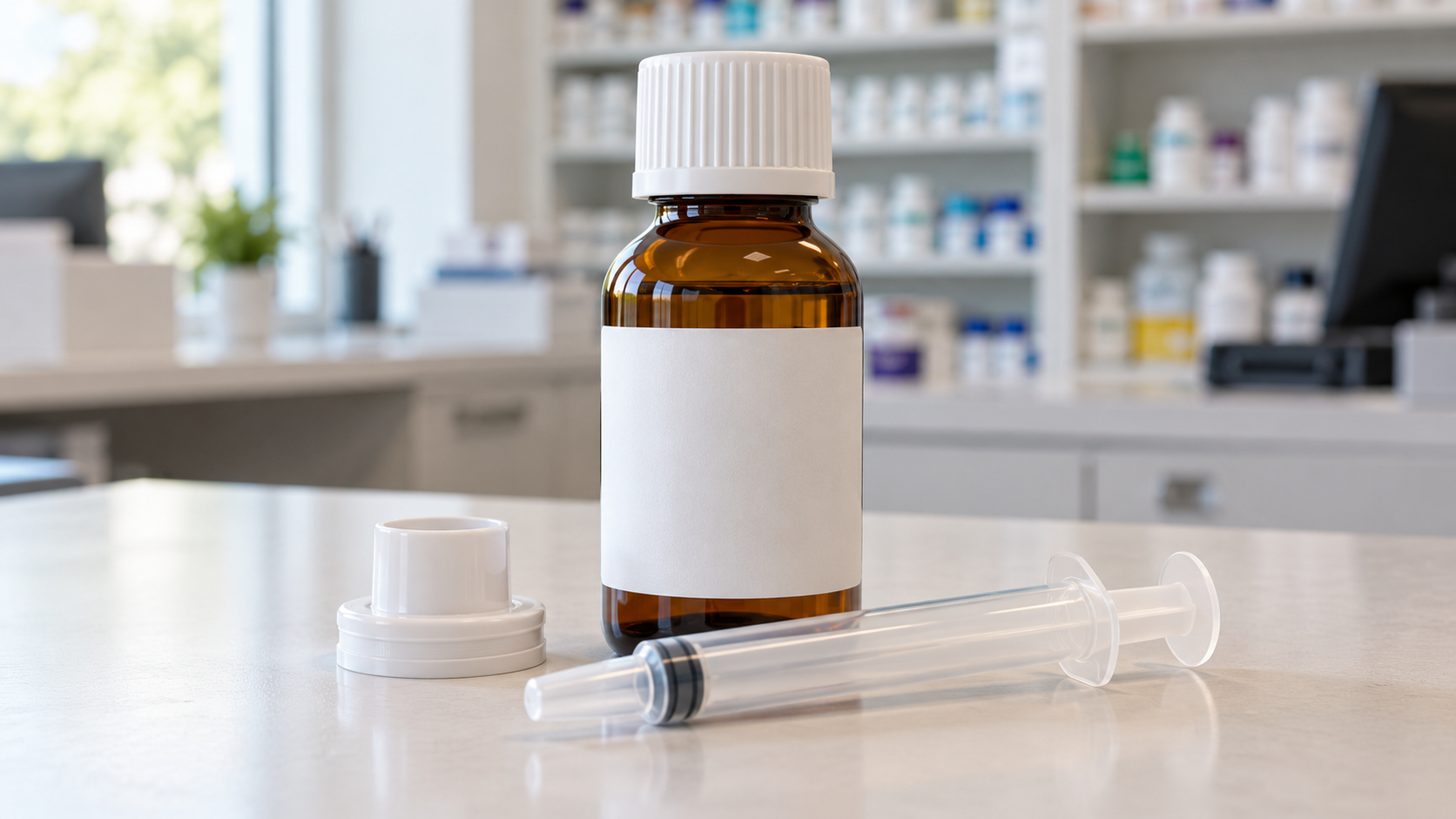
On June 25, 2018, the U.S. Food and Drug Administration approved Epidiolex, a purified cannabidiol oral solution, for seizures associated with Lennox-Gastaut syndrome or Dravet syndrome in patients aged two and older. The decision, announced in Silver Spring, Maryland, gave GW Research the first U.S. approval for a drug containing a purified substance derived from marijuana. It was also the first FDA-approved medicine specifically for Dravet syndrome. The milestone concerned a standardized prescription product supported by clinical trials. It did not approve marijuana itself, every cannabis preparation or the many unregulated products sold under the label CBD.
Both epilepsy syndromes can begin in childhood and cause seizures that are difficult to control with existing medicines. Families and clinicians had sought additional options, while interest in cannabis-derived compounds had grown. Cannabidiol, commonly called CBD, differs from tetrahydrocannabinol, or THC, the compound chiefly responsible for marijuana's intoxicating effects. That distinction helped explain the drug's appeal, but its origin alone could not establish effectiveness or safety. Researchers needed a consistent formulation, controlled comparisons and measured seizure outcomes to determine whether adding the medicine to existing treatment could help patients. The approval followed that evidence-building process rather than relying on anecdotal reports alone.
The FDA evaluated three randomized, placebo-controlled trials involving 516 patients with Lennox-Gastaut or Dravet syndrome. Participants received cannabidiol or placebo alongside other seizure medicines. The trials showed reductions in the frequency of the seizure types being studied, providing evidence for the approved uses. Reduced seizure frequency did not mean that all patients became seizure-free or that the underlying syndromes were cured. Adverse effects also mattered: the medicine could cause sleepiness, diarrhea and other problems, and elevated liver enzymes raised the need for monitoring. Interactions with other medicines required attention, particularly because people with these syndromes often used several treatments at the same time.
Approval and availability were separate steps. The federal controlled-substance classification still needed to be addressed before the product's U.S. commercial launch, which followed later in 2018. The original authorization's age threshold and two-syndrome scope should also be distinguished from later changes to the medicine's indications. June 25 marked a regulatory and clinical turning point: a plant-derived compound had become a precisely formulated treatment evaluated through the ordinary standards of prescription medicine. Its significance lay in a new option for difficult epilepsies and in a clearer distinction between evidence for one tested product and claims made for an entire category of substances. Continued research and safety monitoring remained necessary after that first approval.
Epidiolex contains purified cannabidiol in an oral solution. The June 2018 approval covered seizures associated with Lennox-Gastaut syndrome and Dravet syndrome in patients aged two and older.
CBD is distinct from THC, but that chemical difference does not by itself establish a treatment's value. Standardized manufacturing and controlled trials were essential to the approval.
Three randomized trials involving 516 patients supported the decision. The medicine was studied alongside existing therapies and reduced relevant seizure frequencies rather than curing the syndromes.
Sleepiness, gastrointestinal effects, liver-enzyme changes and medicine interactions remained important limitations. A cannabis-derived prescription product still required the same attention to benefits and harms as other drugs.
Federal scheduling and commercial launch followed the FDA decision later in 2018. The approval date should not be confused with the first day of routine U.S. retail availability.
The event established evidence for a specific pharmaceutical formulation and defined uses. It did not validate every CBD product, every proposed use of cannabis or claims that a plant origin guarantees safety.
Explore more of "On This Day ..."
Discover more events from the same date across news, politics, technology, sports, and other fields. Each link highlights significant moments that shaped history on different fronts.