

On This Day in Health: August 10, 1897
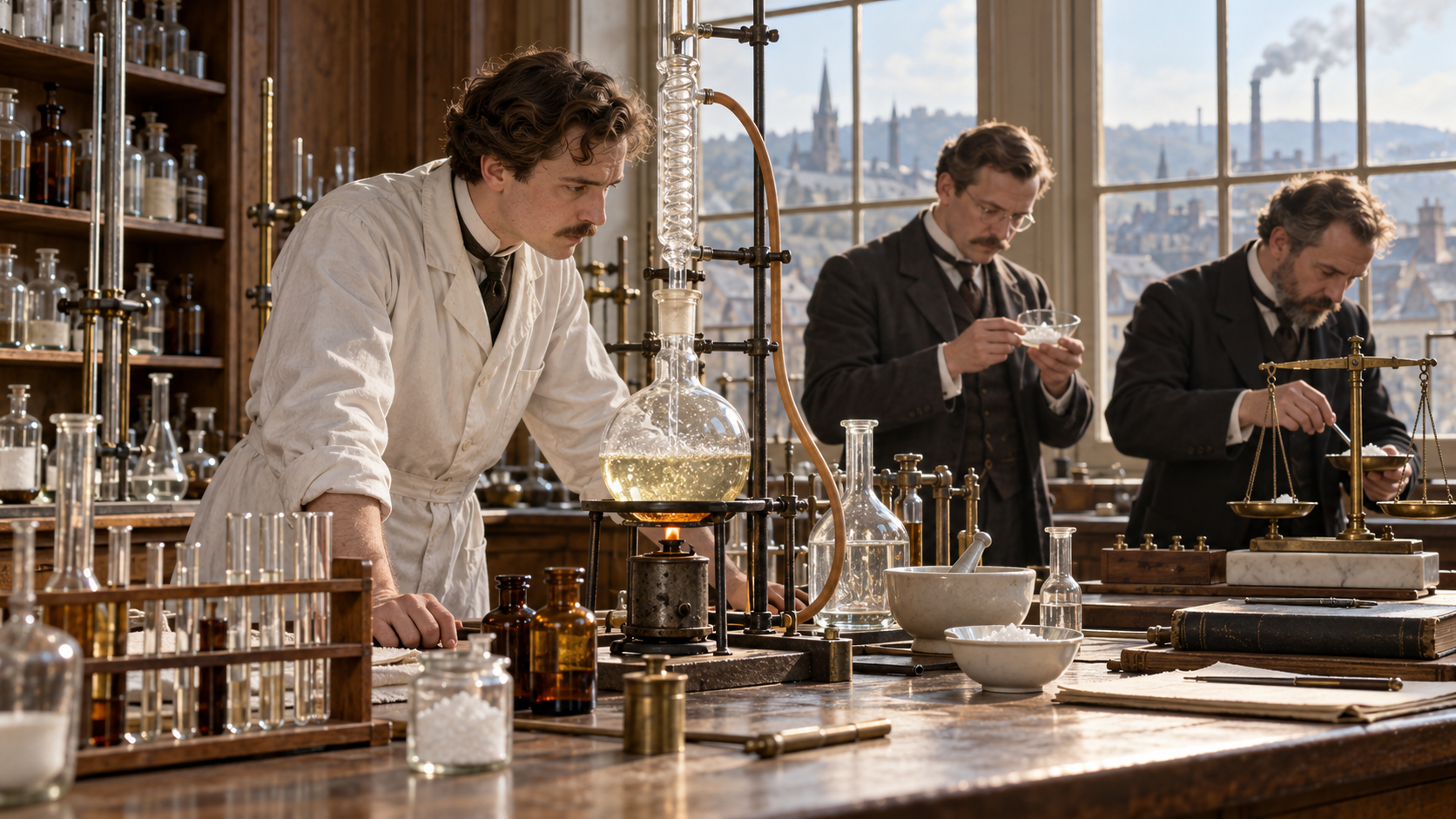
On August 10, 1897, a laboratory record at the Bayer company in Elberfeld, Germany, documented the preparation of a chemically pure and stable form of acetylsalicylic acid. The experiment is commonly associated with chemist Felix Hoffmann, who treated salicylic acid with acetic anhydride and obtained crystals with the expected properties. The history is more complex than a single-inventor story. Charles Frédéric Gerhardt had prepared acetylsalicylic acid in 1853, and later accounts raised questions about the roles of Bayer chemist Arthur Eichengrün and pharmacologist Heinrich Dreser. The dated laboratory entry nevertheless marks the decisive development step behind the medicine later sold as aspirin.
Salicylate remedies had a much older history. Willow and other plants contain related compounds, and nineteenth-century chemists isolated salicin and manufactured salicylic acid. These substances could reduce pain and fever but often irritated the stomach and were difficult for some patients to tolerate. Bayer tested the acetylated compound and registered Aspirin as a trademark in 1899, first marketing it as a powder and later as tablets. Standardized chemical production and dosing helped turn acetylsalicylic acid into one of the best-known medicines of the twentieth century, used for pain, fever, and inflammation.
Scientists did not initially know its precise mechanism. In the twentieth century, research showed that aspirin irreversibly blocks cyclooxygenase enzymes and reduces the formation of prostaglandins and thromboxane. This explains both its effects and its risks. Lower prostaglandin production can reduce pain, fever, and inflammation. Reduced thromboxane makes platelets less likely to clump, which is why carefully selected patients may receive low-dose aspirin to prevent another heart attack or certain strokes. The same antiplatelet action increases bleeding risk, and aspirin can injure the stomach or trigger reactions in susceptible people.
Aspirin’s long history also illustrates why familiar drugs still require evidence and caution. It is not appropriate for every person or every preventive purpose. Health authorities warn against giving aspirin to children or teenagers with certain viral illnesses because of the risk of Reye syndrome, and current cardiovascular guidance weighs bleeding risk against possible benefit. Patients taking anticoagulants or facing surgery may need specific advice from a clinician. Its familiar appearance does not make individual risk assessment optional. The August 10 record matters because it connects chemical technique with modern pharmacology, mass production, and ongoing clinical judgment. A stable compound became a global medicine, while decades of research clarified when its biological effects can help and when those same effects can cause harm.
A Bayer laboratory entry dated August 10, 1897, recorded the preparation of pure, stable acetylsalicylic acid from salicylic acid and acetic anhydride.
Felix Hoffmann is commonly credited, but earlier synthesis by Charles Gerhardt and later claims involving Arthur Eichengrün make the development a more complicated team history.
Bayer registered the Aspirin trademark in 1899 and marketed standardized powder and tablets for pain, fever, and inflammatory conditions.
Later research showed that aspirin blocks cyclooxygenase activity, reducing prostaglandins that contribute to pain and thromboxane that helps platelets clump.
Its antiplatelet effect can help selected patients prevent recurrent cardiovascular events, while also increasing the risk of bleeding and stomach injury.
Modern guidance treats aspirin as a powerful medicine rather than a universal preventive, with age, illness, other drugs, and individual risk shaping safe use.
Explore more of "On This Day ..."
Discover more events from the same date across news, politics, technology, sports, and other fields. Each link highlights significant moments that shaped history on different fronts.