

On This Day in Health: October 15, 2008
On October 15, 2008, the Global Public-Private Partnership for Handwashing launched the first Global Handwashing Day to promote washing hands with soap at critical times. This date matters because it fixes a broad medical story to a specific moment, place, and group of people. It also shows how health history is shaped by institutions and practical choices as well as laboratory discoveries.
The background was already developing before that day. Evidence had long shown that contaminated hands help spread diarrheal and respiratory infections, yet many homes, schools, and health facilities lacked reliable water, soap, sanitation, or places designed for hand hygiene. Those conditions defined what participants could attempt and what patients or communities could reasonably expect. The available tools, social expectations, and professional structures all shaped the result. Change also depended on cooperation among people whose roles were not always recorded equally. They also explain why later accounts sometimes compress years of preparation into a single anniversary. Looking at that preparation keeps credit broad and makes the turning point easier to understand without turning it into a miracle story.
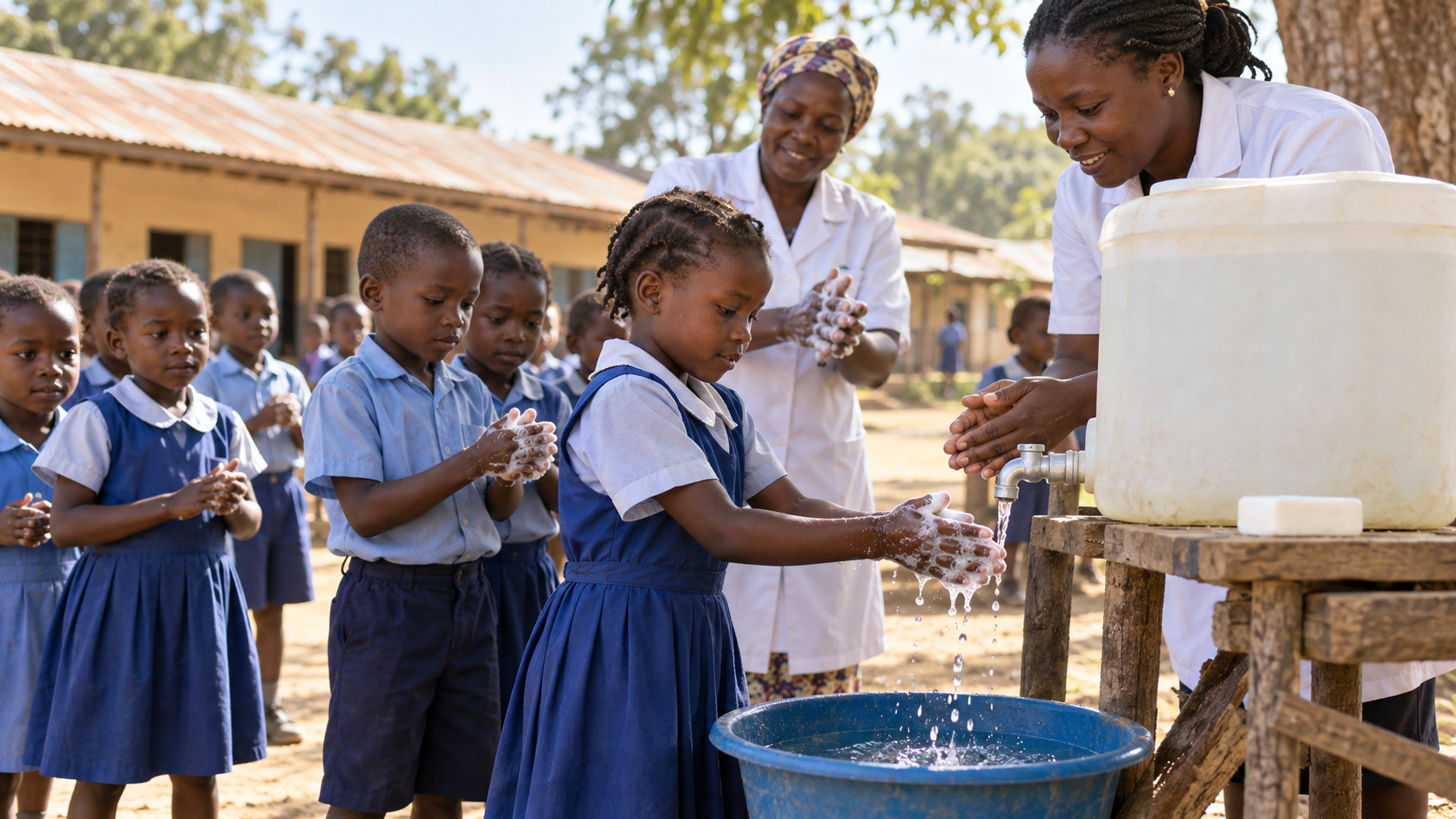
What happened on the date was consequential but limited. Campaigns in many countries used school activities, demonstrations, community events, and mass communication to make a simple behavior visible. The focus on soap distinguished effective cleaning from rinsing with water alone. Messaging cannot overcome infrastructure failures or the cost and labor of obtaining water. Counting participants is also different from measuring sustained behavior and disease reduction, and hand hygiene must complement vaccination, safe food, sanitation, ventilation, and clinical infection control. The distinction is important: the event did not instantly solve the underlying health problem, and later progress depended on follow-up research, training, policy, funding, and public trust. Contemporary evidence also helps separate what participants knew then from interpretations added after the result became famous.
Its longer legacy reaches beyond the original setting. The observance made handwashing a recurring public-health priority and supplied educators and governments with a common date for local programs. The COVID-19 pandemic renewed attention to hand hygiene, while current work increasingly emphasizes durable facilities, inclusive design, reliable supplies, and habits supported by institutions rather than individual blame. Seen in context, the anniversary is useful because it connects a concrete historical episode with continuing questions about evidence, access, safety, and responsibility in health care. That connection is stronger when the people affected, the limits of the achievement, and the work still unfinished remain part of the account.
Campaigns in many countries used school activities, demonstrations, community events, and mass communication to make a simple behavior visible. The focus on soap distinguished effective cleaning from rinsing with water alone.
Messaging cannot overcome infrastructure failures or the cost and labor of obtaining water. Counting participants is also different from measuring sustained behavior and disease reduction, and hand hygiene must complement vaccination, safe food, sanitation, ventilation, and clinical infection control.
The observance made handwashing a recurring public-health priority and supplied educators and governments with a common date for local programs.
Evidence had long shown that contaminated hands help spread diarrheal and respiratory infections, yet many homes, schools, and health facilities lacked reliable water, soap, sanitation, or places designed for hand hygiene.
the Global Public-Private Partnership for Handwashing launched the first Global Handwashing Day to promote washing hands with soap at critical times.
The COVID-19 pandemic renewed attention to hand hygiene, while current work increasingly emphasizes durable facilities, inclusive design, reliable supplies, and habits supported by institutions rather than individual blame.
Explore more of "On This Day ..."
Discover more events from the same date across news, politics, technology, sports, and other fields. Each link highlights significant moments that shaped history on different fronts.