

On This Day in Health: November 20, 1954
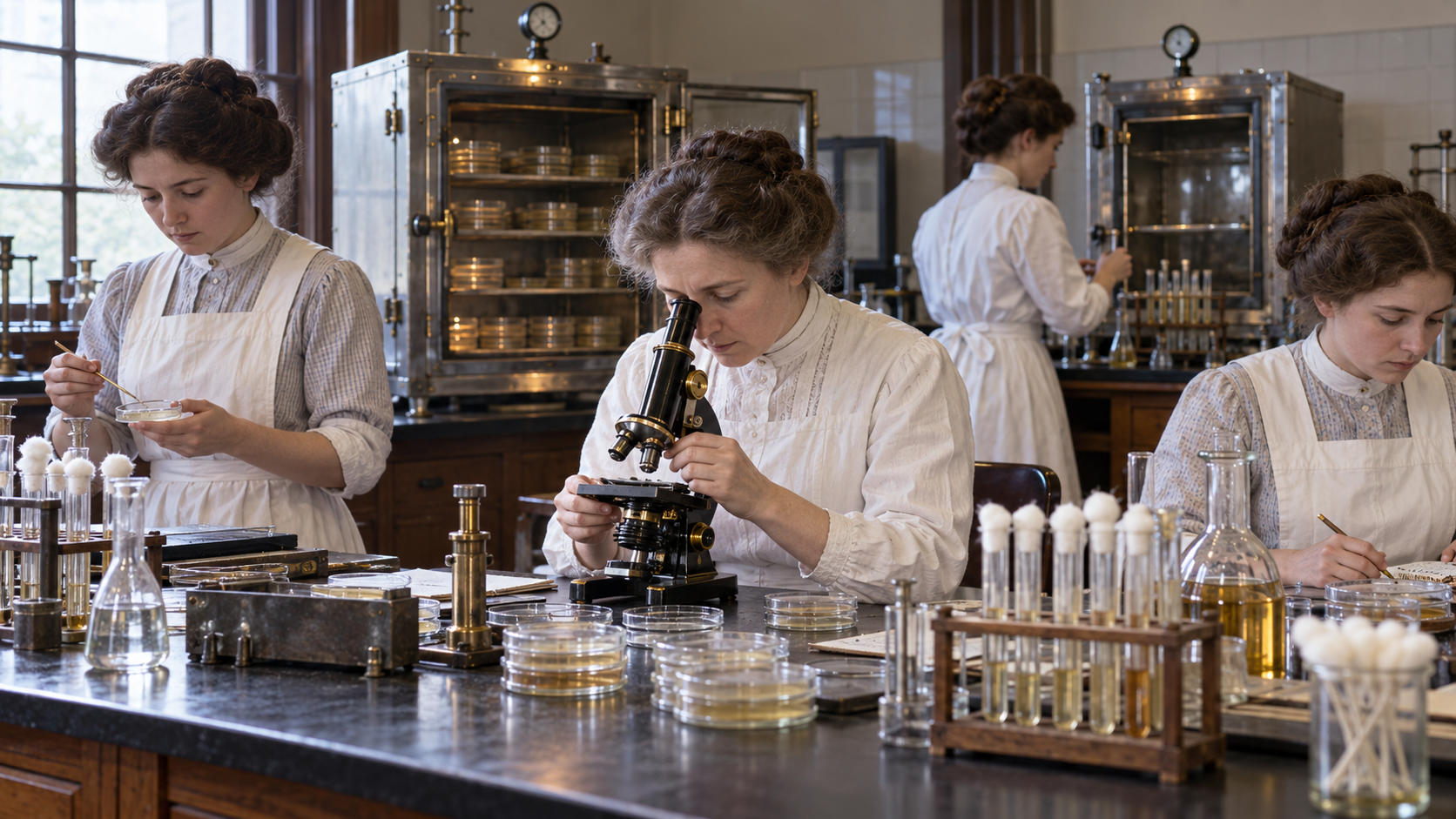
On November 20, 1954, Anna Wessels Williams died after a long career in bacteriology at the New York City Department of Health laboratories. This date matters because it fixes a broad medical story to a specific moment, place, and group of people. It also shows how health history is shaped carefully by institutions and practical choices as well as laboratory discoveries.
The background was already developing before that day. Diphtheria killed many children, and antitoxin potency varied because laboratories lacked standardized bacterial strains and tests. Public-health bacteriology was becoming essential to identify pathogens, prepare biological products, and control epidemics. Those conditions defined what participants could attempt and what patients or communities could reasonably expect. The available tools, social expectations, and professional structures all shaped the result. Change also depended on cooperation among people whose roles were not always recorded equally. They explain why later accounts sometimes compress years of preparation into a single anniversary. Looking at that preparation keeps credit broad and makes the turning point easier to understand without turning it into a miracle story.
What happened on the date was consequential but limited. Williams isolated a highly toxin-producing strain of Corynebacterium diphtheriae in 1894. Shared freely with laboratories, the Park-Williams No. 8 strain enabled production of stronger, more consistent antitoxin; she later worked on rabies diagnosis and training. Antitoxin treated toxin already circulating but did not prevent infection, and horse serum could cause serious reactions. Historical accounts often gave greater visibility to her male supervisor William Park, reflecting unequal titles, pay, and recognition. The distinction is important: the event did not instantly solve the underlying health problem, and later progress depended on follow-up research, training, policy, funding, and public trust. Contemporary evidence also helps separate what participants knew then from interpretations added after the result became famous.
Its longer legacy reaches beyond the original setting. Standardized strains and laboratory quality helped make public-health responses reproducible, while Williams became a leading laboratory scientist and mentor to other women. Vaccination has made diphtheria uncommon where coverage is high, yet outbreaks continue when immunization and surveillance falter, showing why laboratory capacity and public access must be maintained. Seen in context, the anniversary is useful because it connects a concrete historical episode with continuing questions about evidence, access, safety, and responsibility in health care. That connection is stronger when the people affected, the limits of the achievement, and the work still unfinished remain part of the account.
Williams isolated a highly toxin-producing strain of Corynebacterium diphtheriae in 1894. Shared freely with laboratories, the Park-Williams No. 8 strain enabled production of stronger, more consistent antitoxin; she later worked on rabies diagnosis and training.
Antitoxin treated toxin already circulating but did not prevent infection, and horse serum could cause serious reactions. Historical accounts often gave greater visibility to her male supervisor William Park, reflecting unequal titles, pay, and recognition.
Standardized strains and laboratory quality helped make public-health responses reproducible, while Williams became a leading laboratory scientist and mentor to other women.
Diphtheria killed many children, and antitoxin potency varied because laboratories lacked standardized bacterial strains and tests. Public-health bacteriology was becoming essential to identify pathogens, prepare biological products, and control epidemics.
Anna Wessels Williams died after a long career in bacteriology at the New York City Department of Health laboratories.
Vaccination has made diphtheria uncommon where coverage is high, yet outbreaks continue when immunization and surveillance falter, showing why laboratory capacity and public access must be maintained.
Explore more of "On This Day ..."
Discover more events from the same date across news, politics, technology, sports, and other fields. Each link highlights significant moments that shaped history on different fronts.